Muhammad Ali, George Foreman and the Culminating Point
In October 1974 in Kinshasa, Muhammad Ali lets the younger and stronger George Foreman attack until his attack has no strength left. In the eighth round Foreman is spent, and Ali wins the fight that almost no one thought he could win.
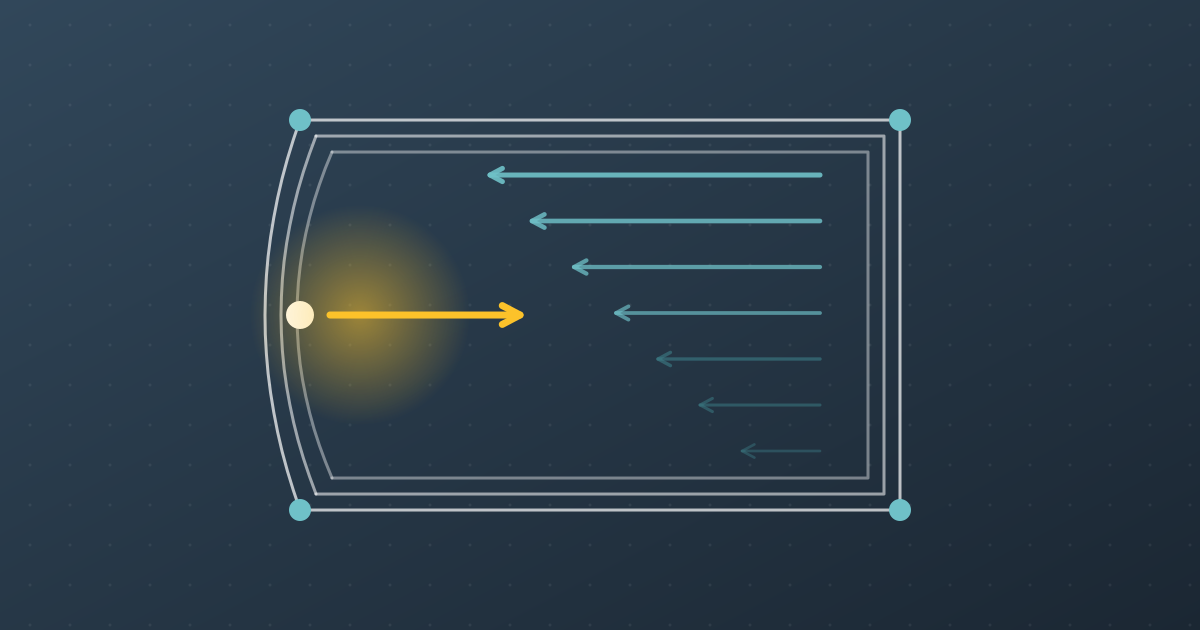
A golden line pushes to the right, leaving teal dots behind as garrisons, while its strength bar gets shorter with every dot and a mist-blue circle grows opposite it. Where both are equally strong, a golden dot lights up; if the line goes beyond it, it thins out and is pushed back by the circle behind its starting point, and in the final image it stands beside it at the golden dot as a firm frame.
Principle #13
Culminating Point: Every advance consumes strength, and if you miss the point at which you must stop and consolidate, you turn your success into defeat.
4 min read5 sectionsSituationLink to the principle
Contents
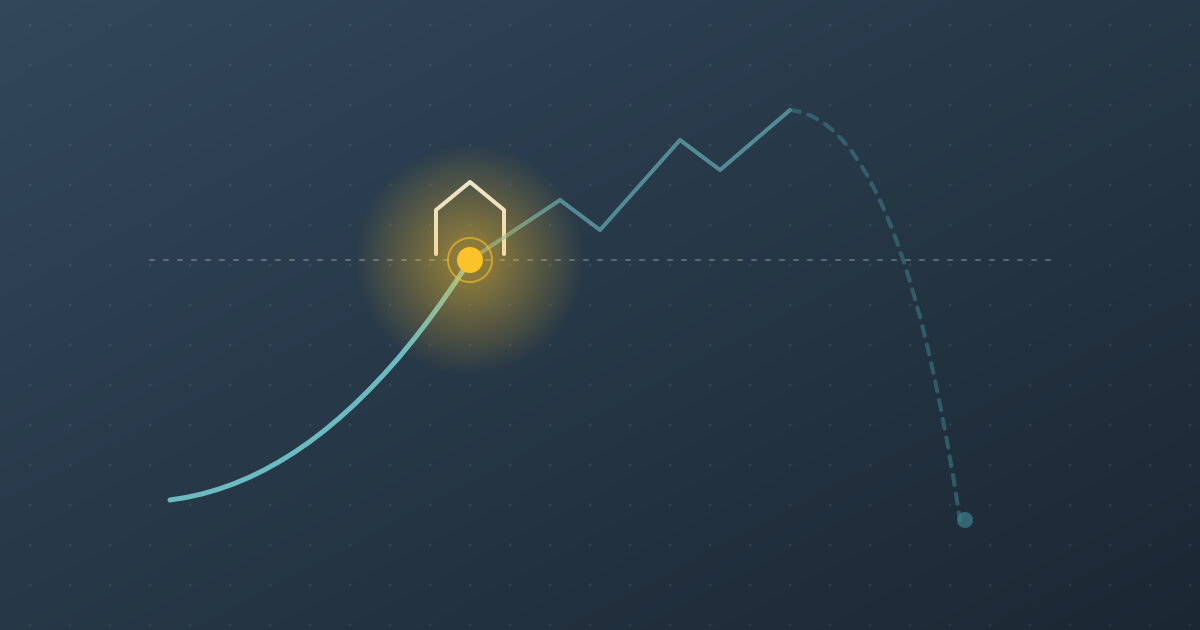
In his book “On War,” Carl von Clausewitz describes an observation that reaches far beyond the battlefield: every attack weakens the attacker. At some point the attack reaches its Culminating Point, where its strength is just barely enough. If you go beyond it, you no longer have the strength to hold on. Rarely has this point been as visible as in a boxing ring in Zaire, in front of around 60,000 spectators, at four o’clock in the morning.
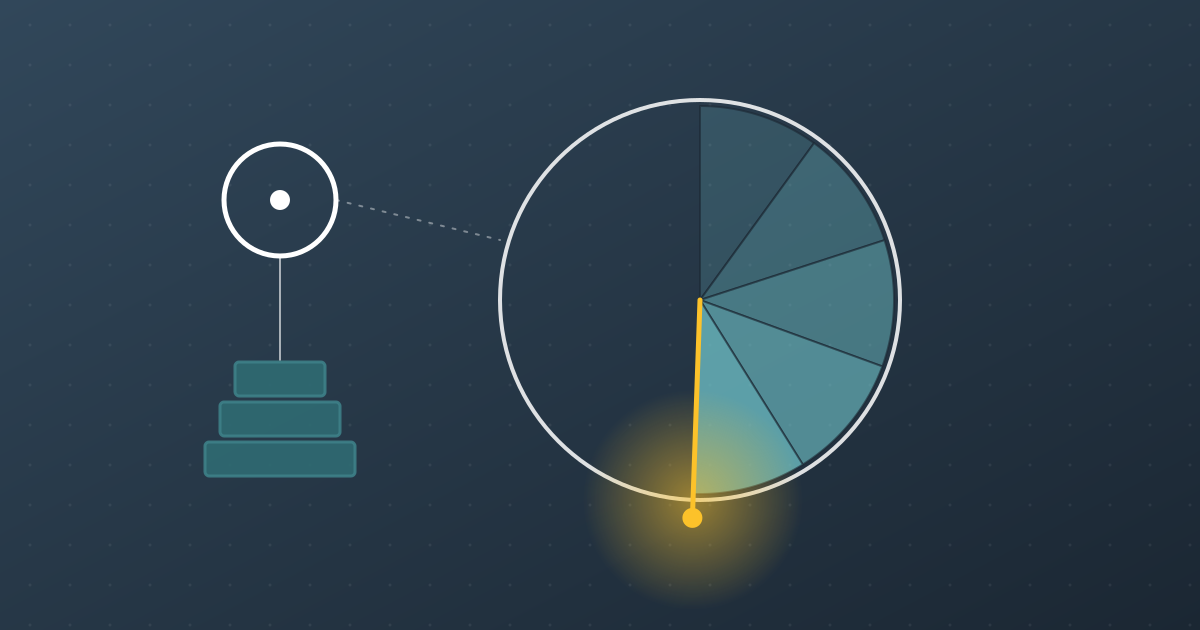
In the ring the ropes give way, the punches from the right grow shorter row by row until a golden punch comes back – as with Ali against Foreman.
01
A favorite no one can stop
Situation
In 1974 George Foreman is the world heavyweight champion, 25 years old and unbeaten in 40 professional fights, 37 of which he has won by knockout. Muhammad Ali is 32 and has lost twice in his career. The bookmakers see him as a clear underdog, with odds of four to one against him. The promoter Don King has organized the fight, and Zaire’s president Mobutu Sese Seko is hosting it. Each boxer receives $5 million.
Link to the principle
On paper Foreman is superior in everything that can be measured: age, punching power, record. So Ali does not look for a way to be stronger than Foreman. He looks for the point at which Foreman’s strength uses itself up.
02
The delay
Situation
The fight is originally scheduled for September 25, 1974. Eight days before, a sparring partner cuts Foreman above the right eye with his elbow. The wound needs 11 stitches, and the fight is postponed to October 30. It is set for four o’clock in the morning local time so that it can be broadcast live in prime time in the United States.
Link to the principle
The conditions are the same for both, but they do not affect both equally. Heat, humidity and waiting cost everyone strength. They hit someone who wants to expend his strength in a short time, as Foreman’s style demands, harder than someone who relies on stamina from the start.
03
Leaning on the ropes
Situation
In the first round Ali still dances in his familiar style. From the second round on he changes tactics. He leans back into the ropes, covers his head and body with his arms and lets Foreman punch. Foreman mostly hits arms and guard, and many punches miss. In between, Ali counters with straight punches to the face. In the clinches he leans his weight on Foreman and pushes him down. He taunts him to make him punch even more. Ali later calls this tactic “rope-a-dope.”
Link to the principle
This is what Clausewitz means. The attacker looks strong as long as he is attacking. But every punch costs him strength, and it costs the defender less. Ali does not defend in order to survive. He defends in order to drive Foreman’s attack to its culminating point.
04
The reversal
Situation
In the fourth round and at the end of the fifth, Foreman is staggered. After that he looks increasingly exhausted. By the eighth round his punches and his guard are barely effective. Ali lands a series of hooks and a quick combination, and a straight right sends Foreman to the canvas. Before he is back on his feet, referee Zack Clayton stops the fight. At that point Ali is ahead on all three scorecards.
Link to the principle
The decisive moment lies not in the eighth round but in the rounds before it. Foreman could have paced himself, managed the pressure and boxed for points. He keeps going because his attack has always worked so far. That is exactly what makes the culminating point so dangerous: you cannot see it from the inside, because right up to the end the attack feels like superiority.
05
What it was not
Situation
It would be wrong to tell the story of this victory as a trick alone. Ali had to withstand punches from one of the hardest hitters of his time over several rounds. The tactic was risky and could have gone wrong.
Link to the principle
The principle is not a trick for the weaker side. It demands the ability to withstand pressure for a long time and the discipline to throw your own counterpunch only when your opponent is spent.
Key takeaways
Key lessons
01
Don’t just ask how strong an attack is; ask how long it can sustain that strength.
02
When you attack, plan the point at which you will stop before you start.
03
Against a stronger opponent, it can be wiser to let their attack run itself out than to meet it with force.
04
Success in the early rounds is no proof that your approach will hold to the end.
05
If you want to withstand pressure, you need reserves, not just courage.
Summary
In the “Rumble in the Jungle” on October 30, 1974, George Foreman was the clear favorite. From the second round on, Muhammad Ali let Foreman charge at him on the ropes until Foreman’s attack had no strength left. In the eighth round Ali knocked him out. The fight shows what Carl von Clausewitz calls the culminating point: every attack wears itself out, and if you keep going beyond the point at which your strength is just enough, you turn superiority into defeat.