I’m up against someone stronger
When the other side is bigger, richer or better established: choose a different game, concentrate your strength, use the gaps.
Start learning pathStrategy is the art of acting wisely with limited means under uncertainty. The 92 Strategic Principles show how it’s done: briefly explained, animated and backed by examples.
You don’t need to know all 92 principles at once. Start with the five stages and the twelve questions every strategy has to answer. Behind each question is an anchor principle: the best place to start.
What is it all for? The purpose determines the objective, the means and the limits.
What do you really know, where do you stand, and what is going on in people’s minds?
Where do you commit your forces, by which route and at what moment?
Win people over and deal wisely with partners, rivals and opponents.
Stay able to act when the future is open, and use what the situation offers.
Choose a situation you know. You get three principles that help you understand it and act wisely.
We have lots of goals but no direction.
Where everything matters, nothing is decisive. First clarify what you are working for, then derive from that what you do and what you don’t.
Six principles in a sensible order. On every page of the path, a bar shows you the next stop.
When the other side is bigger, richer or better established: choose a different game, concentrate your strength, use the gaps.
Start learning pathBefore an important conversation: clarify your alternative, understand the other side, think about a way out and a reference point.
For leaders introducing something new: lead from the purpose, take resistance seriously, gain momentum with proximate objectives.
When the future is open: decide anyway, plan so you can adapt, keep reserves and options.
Start learning pathFor each guiding question, the principle the others build on. Know these twelve and you have the framework of strategy.
Purpose comes first, then the means: what you ultimately want to achieve determines which means you use and which you forbid yourself.
Concentrate your forces where the outcome is decided instead of spreading them across many fronts.
Because you never know the whole situation, you have to decide with judgment instead of waiting for a certainty that will not come.
Instead of charging against the other side’s strength, you go around it and choose the path they least expect.
Keep your own options open and narrow those of the other side, for if you can decide freely, you stay in control.
If you read the tempo of a situation, you act at the right moment, give others a reliable rhythm or throw your opponent off their stride.
The will, courage and cohesion of those involved often matter more than numbers and equipment, because they determine what becomes of the available means.
Your best move depends on what the others do, and their best move depends on yours; that is why you never plan against a world that stands still.
An advantage arises only when you clearly choose one way of being better than others and deliberately give up other things for it.
A loss hurts more than an equal gain pleases, and that is why people fight harder for what they have than for what they could get.
If you think through several possible futures instead of betting on a single forecast, you recognize turning points earlier and act faster when it counts.
If you recognize the dynamics of a situation and position yourself within them, you achieve with little force what could hardly be forced against the situation.
92 statements, one for each strategic principle, in 12 groups. Assess how consciously and effectively you use the principles in your leadership today: as things are right now, not as you would like them to be. The Strategy Check is a self-assessment, not a validated test. It is about learning, not about being graded.
Takes about 10 to 15 minutes. Your answers stay in your browser.
Strategy is neither military jargon nor a collection of tricks. It begins wherever three things come together:
Time, money, energy and attention are never enough for everything. Strategy decides what you use them for and what you don’t.
No one fully knows the future or the intentions of others. Strategy acts anyway: with a clear objective and room to maneuver.
Competitors, partners, customers and employees react to what you do. Strategy factors in their moves.
Many principles come from war and competition. The blog explains them without glorifying violence or deception. Where a principle is ethically delicate, the page says so openly.
From the different spheres of society.

Starting in 1977, mothers of disappeared children walk across the square in front of the presidential palace in Buenos Aires every Thursday, wearing white headscarves and carrying no weapons. The military junta can threaten them, abduct them and kill them. It cannot silence them.

After the First World War, Paul von Hindenburg and Erich Ludendorff spread the story that the German army had remained undefeated in the field and had been betrayed by the home front. The story is false, but it prevails and poisons the young Weimar Republic. The example shows the dark side of the principle.
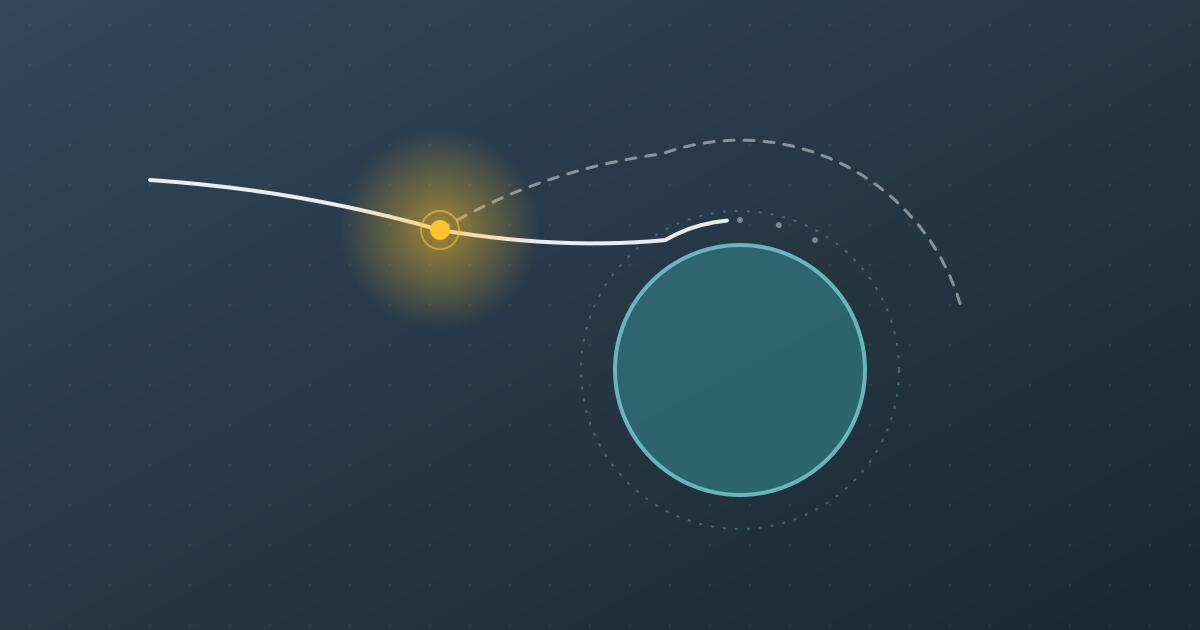
In September 1999, NASA loses its Mars Climate Orbiter probe because two teams calculate in different units of measurement. The error is small, the warning signs are there, and yet no one catches it. This is exactly how Carl von Clausewitz describes friction.

Honda builds cars, motorcycles, lawn mowers and generators. What looks like a motley assortment rests on a single capability: building small, reliable combustion engines. This is exactly the pattern C. K. Prahalad and Gary Hamel described as core competence in 1990.
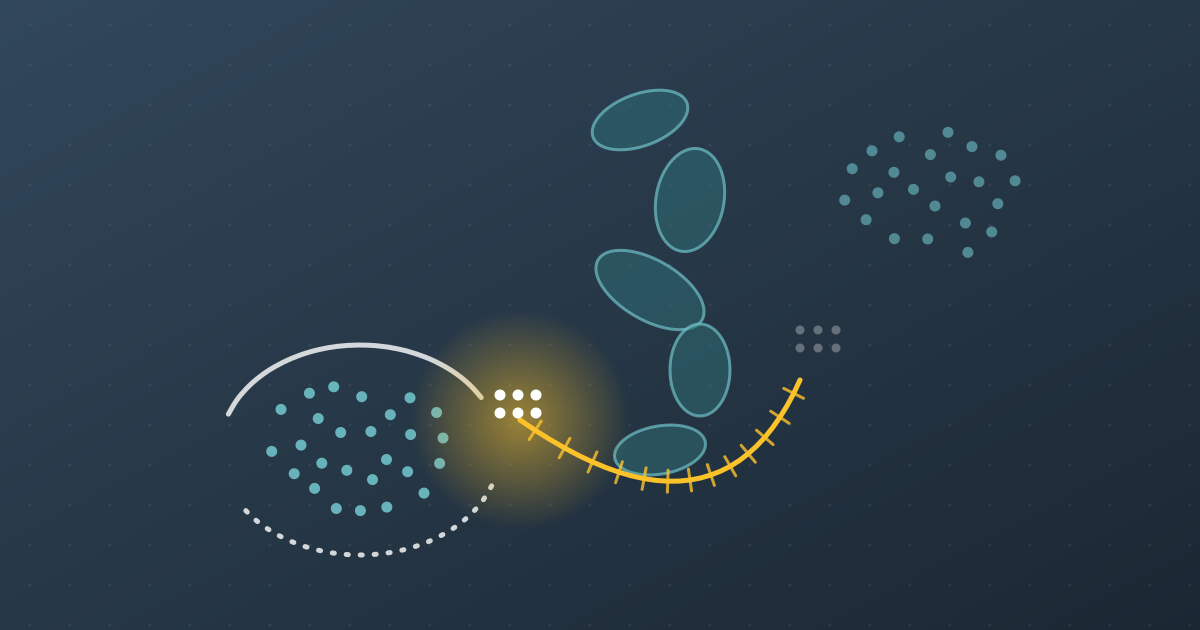
In August 1914, two Russian armies march into East Prussia, separated by the Masurian Lakes. The weaker German Eighth Army stands between them, moves its forces by rail and on foot against one army and then turns against the other.

For 70 years, women in Germany demand the right to vote, and for 70 years it is withheld. Then, in November 1918, the old order collapses, and within three days what had seemed out of reach is decided.

“The best thing for me is when leaders rediscover the joy of leading.”
A collection of maxims for acting wisely that WEGVISOR has selected from the strategy literature: from Sun Tzu and Carl von Clausewitz through Basil Henry Liddell Hart to Michael E. Porter, Richard P. Rumelt and game theory. They are arranged in 12 groups, each with a guiding question. For each principle there is a core statement, an animation, examples and a look at the research.
No. Strategy means acting wisely with limited means under uncertainty. You need that in a company just as much as in a family, a church or a club. That is why the examples on this blog come from all spheres of society.
Because that is where people thought early and thoroughly about how to reach a goal against resistance with scarce forces. The blog adopts the insights, not the violence. Where a principle is ethically delicate, such as deception or brinkmanship, the page says so openly.
They are WEGVISOR’s own selection from the strategy literature. Each page states under “Background” which work the principle goes back to, and under “What research shows” how well it is supported. The “Origin” page shows the traditions the collection draws on.
With the Strategy Check: 92 statements, one for each principle. Allow about 10 to 15 minutes for it. You get an overall result, a profile across the 12 groups, and your strengths and areas of potential. The Strategy Check is a self-assessment, not a validated test.
No. Your answers stay in your browser. You can pause the Strategy Check and pick up later where you left off.
WEGVISOR offers three paths: Strategy Coaching one-to-one for leaders and business owners, Strategy Training for leadership teams, and Strategy Consulting, in which we support you or your team in developing and implementing your strategy.
Reading changes how you think. Applying changes your results. Choose how you want to continue.
