- Home
- Examples
368 strategy stories
How the strategic principles work in real life, told through people and organizations from history and the present day, from politics, business, family, church and film.
Get an overview
Discover the examples of the 92 Strategic Principles here.
368 of 368 examples
2026 48 examples

The Mothers of the Plaza de Mayo and the Principle “The Soft Overcomes the Hard”
Starting in 1977, mothers of disappeared children walk across the square in front of the presidential palace in Buenos Aires every Thursday, wearing white headscarves and carrying no weapons. The military junta can threaten them, abduct them and kill them. It cannot silence them.
The Stab-in-the-Back Myth and the Strategic Narrative
After the First World War, Paul von Hindenburg and Erich Ludendorff spread the story that the German army had remained undefeated in the field and had been betrayed by the home front. The story is false, but it prevails and poisons the young Weimar Republic. The example shows the dark side of the principle.
The Mars Climate Orbiter and Friction
In September 1999, NASA loses its Mars Climate Orbiter probe because two teams calculate in different units of measurement. The error is small, the warning signs are there, and yet no one catches it. This is exactly how Carl von Clausewitz describes friction.

Honda and Core Competence
Honda builds cars, motorcycles, lawn mowers and generators. What looks like a motley assortment rests on a single capability: building small, reliable combustion engines. This is exactly the pattern C. K. Prahalad and Gary Hamel described as core competence in 1990.
Tannenberg 1914 and Interior Lines
In August 1914, two Russian armies march into East Prussia, separated by the Masurian Lakes. The weaker German Eighth Army stands between them, moves its forces by rail and on foot against one army and then turns against the other.
Women’s Suffrage in Germany in 1918 and the Potential of the Situation
For 70 years, women in Germany demand the right to vote, and for 70 years it is withheld. Then, in November 1918, the old order collapses, and within three days what had seemed out of reach is decided.
The Fulbright Program and Soft Power
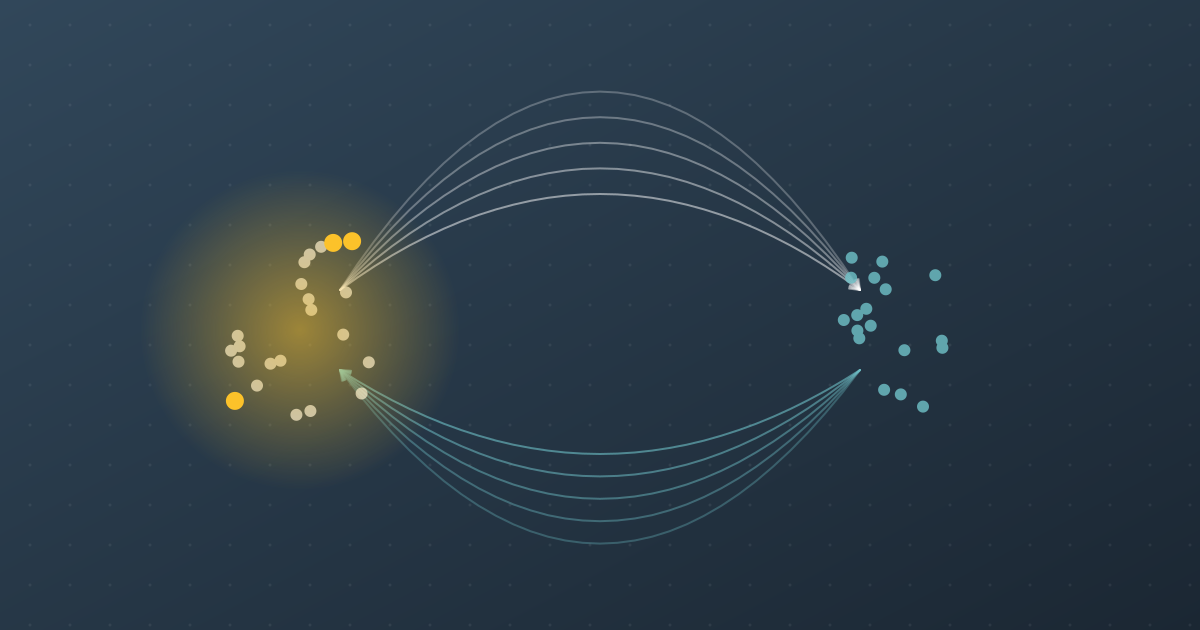
Since 1946, the Fulbright Program has invited students and researchers from around the world to take part in exchanges. It forces no one and buys no one. And yet more than 40 of its participants later led their countries as head of state or government.
The Zimmermann Telegram and Foreknowledge
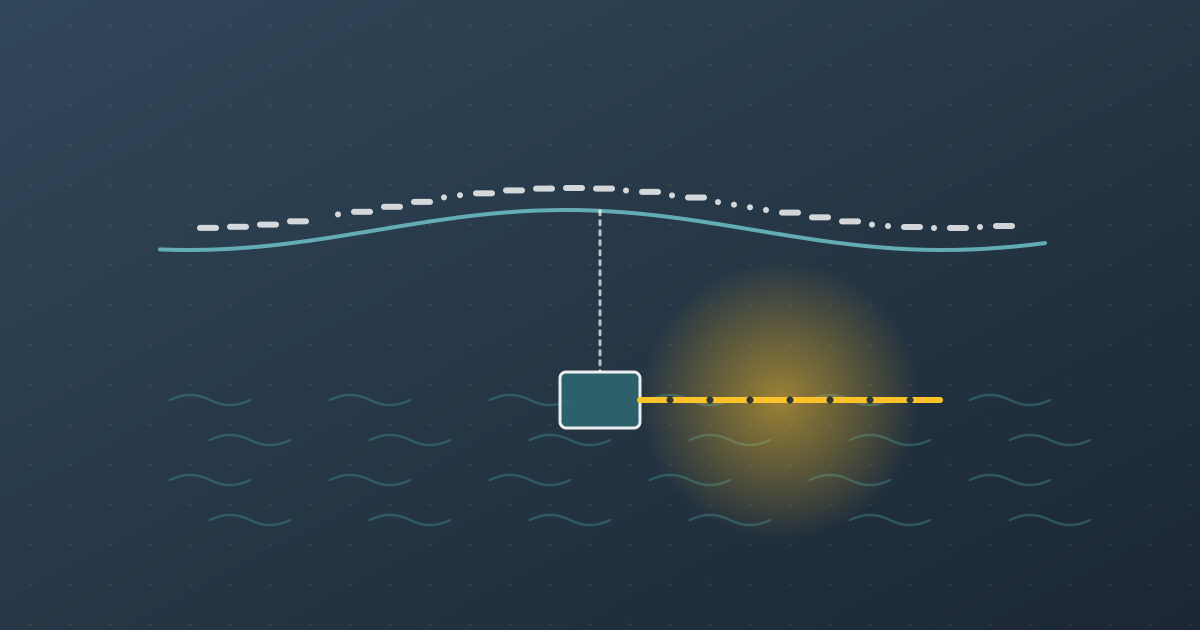
In January 1917, the German Empire secretly offers Mexico an alliance against the United States. British codebreakers read the message, and now the problem is a different one: How do you use knowledge without revealing where you got it?

Ted Turner, CNN and the Blue Ocean
On June 1, 1980, CNN goes on the air in Atlanta, the first television channel to broadcast nothing but news around the clock. Ted Turner does not fight the big networks for the best evening newscast. He creates a new market: news whenever you want to watch it.

Arminius, the Battle of the Teutoburg Forest and Terrain
In AD 9, Arminius of the Cherusci destroys three Roman legions. He does not strike where Rome is strong; instead he lures the army into forest and bog, where the best army of its time loses its order.
Leigh Van Valen and the Red Queen Effect
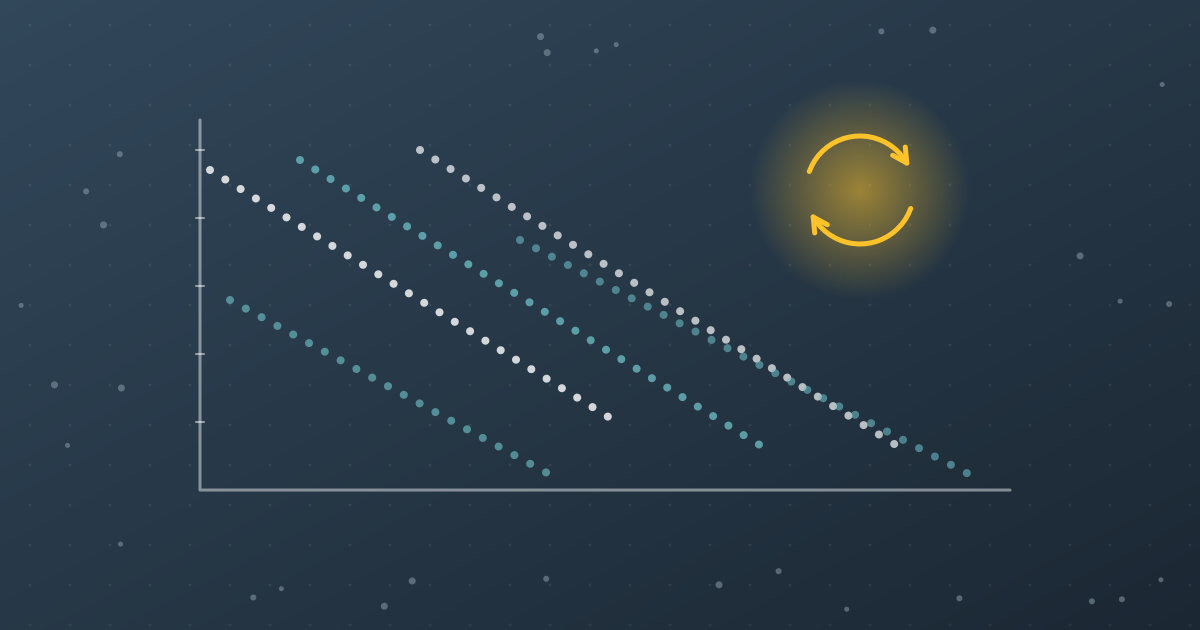
In 1973, the paleontologist Leigh Van Valen shows that a group of animals is not safer from extinction just because it has existed for a long time. His explanation: all species keep evolving, and those that don’t keep up lose. He names this after a character from “Through the Looking-Glass”: the Red Queen.
Louis XIV, the Huguenots and the Four Means
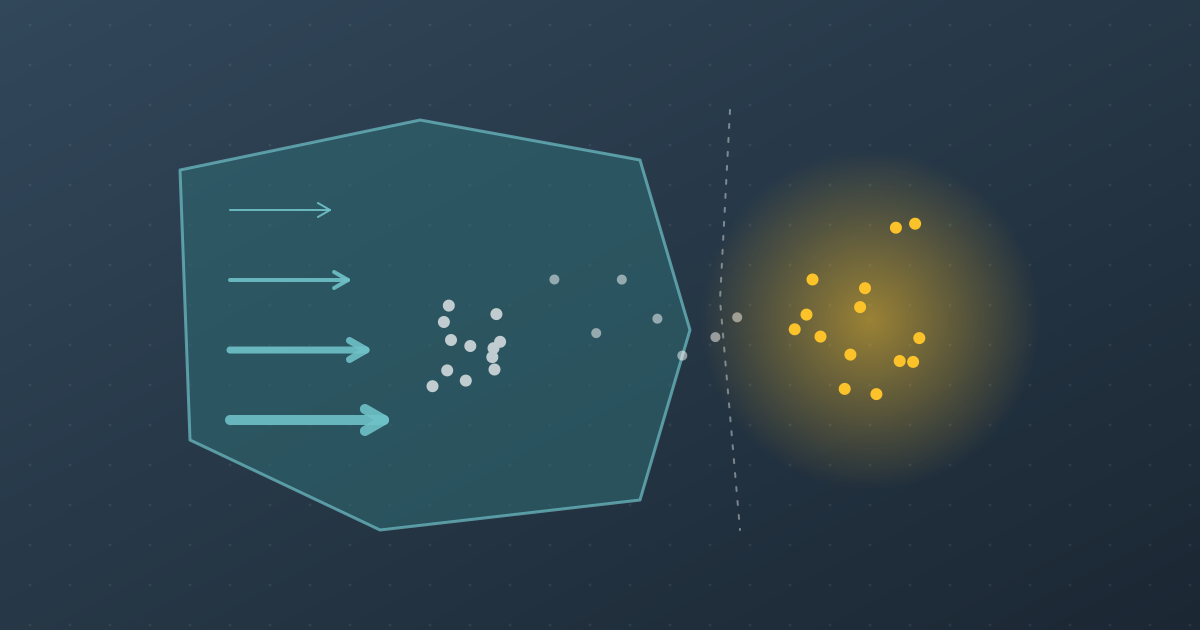
Louis XIV wants a France with a single faith. Against the Huguenots, he deploys, one after another, sermons and polemics, money, exclusion and finally soldiers. Here the sequence of the four means unfolds almost like a textbook case, and so does its bitter end.

Scipio, Hannibal and the Principle “Know the Enemy and Yourself”
At Zama in 202 BC, Publius Cornelius Scipio faces Hannibal, the most feared commander of his time. He wins because he knows Hannibal’s strengths precisely, compensates for his own weakness in advance and shapes the situation so that Hannibal’s best weapons come to nothing.

Amancio Ortega, Zara and the Value Chain
Zara brings new fashions from design to store in a few weeks, while the rest of the industry needs months. Its lead lies not in any single idea but in how design, purchasing, production, logistics and store work together.

The Kulturkampf and Paradoxical Logic
In the 1870s, Otto von Bismarck sets out to push back the influence of the Catholic Church in Prussia and the German Empire through legislation. The result is the opposite: Catholics close ranks, and their party, the Center Party, grows from 63 to 91 seats in the 1874 Reichstag election.

Nassim Nicholas Taleb, Black Monday and Antifragility
On October 19, 1987, the stock markets crash, and a young options trader named Nassim Nicholas Taleb profits from it. His experience that a position with a small stake can thrive on large shocks later leads him to his theory of antifragility.

Henry IV, the Edict of Nantes and the Golden Bridge
In 1598, Henry IV ends more than three decades of religious war in France. He does not force the defeated Huguenots to their knees but gives them freedom of worship, rights and safe places. This golden bridge carries the peace for as long as it stands.
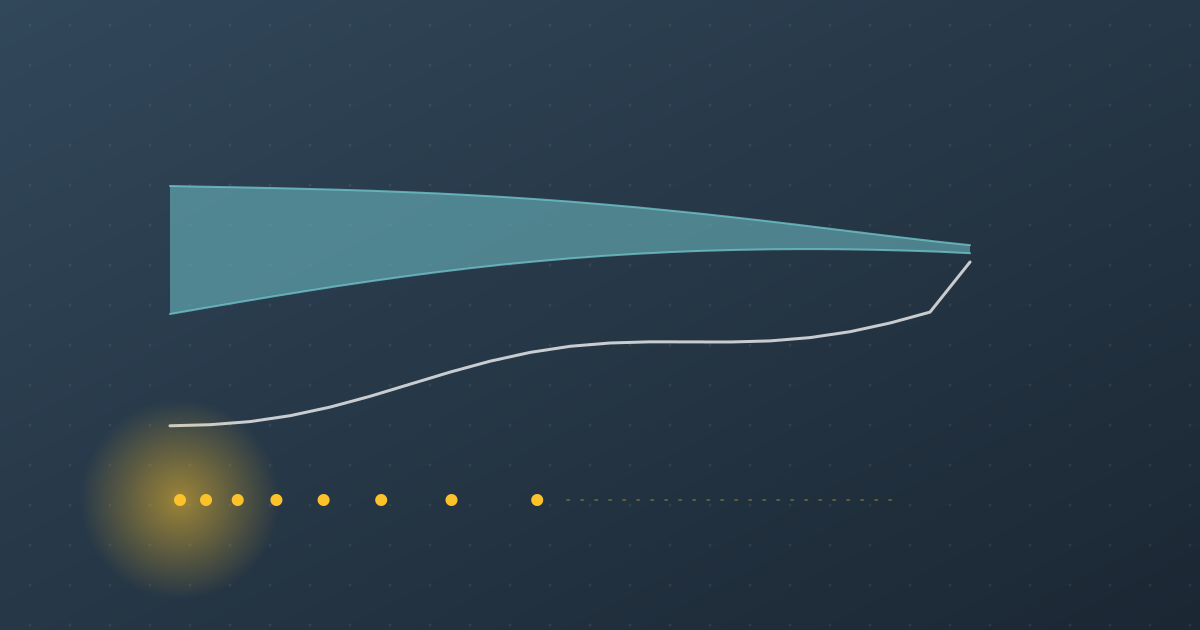
Napoleon Bonaparte, the Russian Campaign and Logistics
In June 1812 Napoleon Bonaparte marches into Russia with hundreds of thousands of soldiers. In the very first weeks, long before the first major battle, tens of thousands die of disease and exhaustion because supplies cannot keep up. In the end, only a small fraction of the Grande Armée returns.

Aldi, the Albrecht Brothers and Positioning
In 1962, the brothers Karl and Theo Albrecht open their first discount store in Dortmund. They opt for a single position, low prices, and subordinate everything to it: a narrow range, simple stores, few staff.
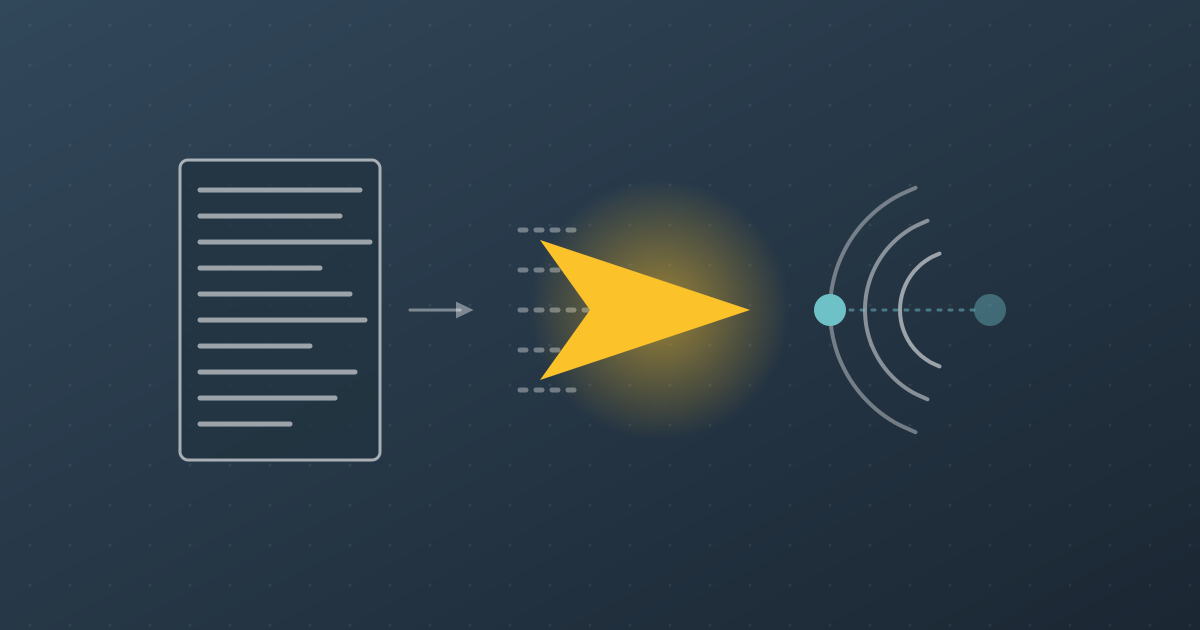
The Ems Dispatch and the Art of Stratagems
In July 1870, Otto von Bismarck shortens a report from Bad Ems so that in France it comes across as an affront. France declares war and is cast as the aggressor. The pattern is an old one: you lure your opponent out of a secure position until they take the first step themselves.
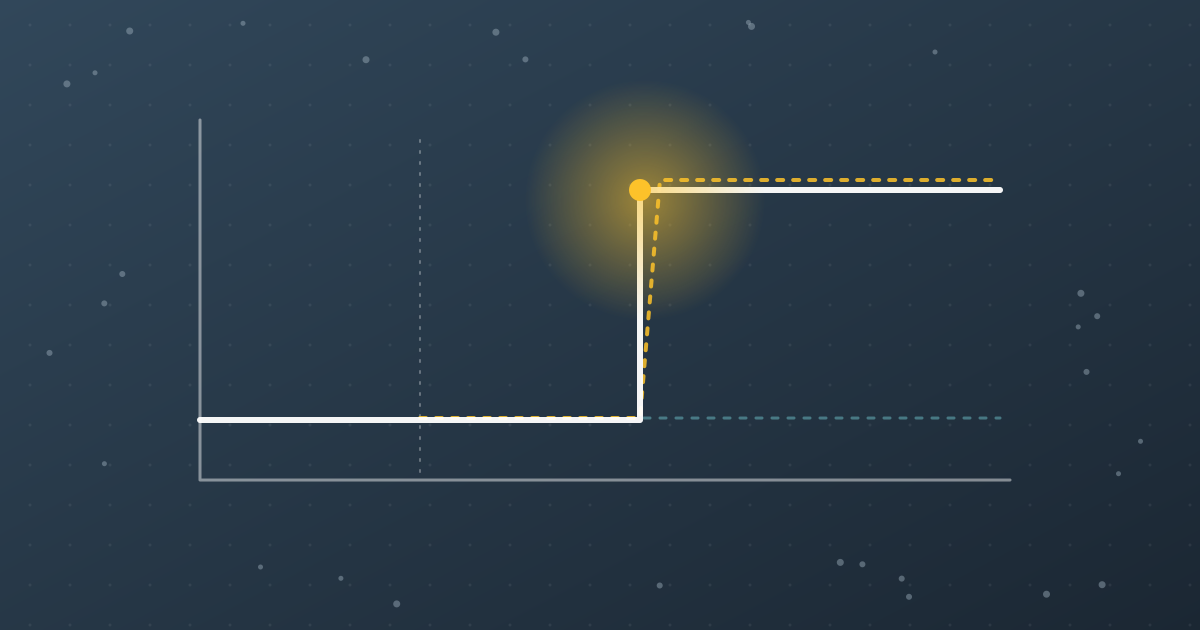
Pierre Wack, Shell and Scenario Thinking
In the early 1970s, a small planning group at Royal Dutch Shell plays through what happens if the oil-producing countries take over control of the price. When exactly that happens in the fall of 1973, the company has already thought the unthinkable once.

Alexander Hamilton, Aaron Burr and Fear, Honor and Interest
In July 1804, Alexander Hamilton, one of the Founding Fathers of the United States, accepts a challenge to a duel from the sitting vice president, Aaron Burr, even though he opposes dueling. He dies the next day. His decision combines all three motives Thucydides names: honor, fear and interest.

Emperor Hadrian, the Euphrates and Overstretch
Emperor Trajan leads the Roman Empire all the way to the Persian Gulf. His successor Hadrian gives up the new provinces in the east in 117, right after taking office, and makes the Euphrates the border once again. He makes the empire smaller so that he can hold it.

Facebook in Australia and the Best Alternative
In February 2021, Facebook blocks all news in Australia rather than bow to a law that would oblige platforms to pay publishers. A few days later, the government amends the law. Facebook had demonstrated that it was better off without an agreement than the other side.

The Yom Kippur War and Surprise
On October 6, 1973, Egypt and Syria attack Israel on the holiest day of the Jewish year. The warning signs were there, but Israel’s leadership read them through a fixed picture of the opponent, and it was precisely this picture that made the surprise possible.

Elizabeth I, the Duke of Anjou and Worldly Wisdom
From 1579 to 1581, Elizabeth I negotiates a marriage with Francis, Duke of Anjou. She leaves the question open as long as it serves her, and in this way keeps France as a partner against Spain without ever binding herself.

Ignaz Semmelweis and Resistance to the New
In Vienna in 1847, Ignaz Semmelweis drastically reduces the death rate among new mothers by requiring doctors to wash their hands in chlorinated lime. The medical profession rejects his teaching anyway. Good reasons alone do not get anything new accepted.

Muhammad Ali, George Foreman and the Culminating Point
In October 1974 in Kinshasa, Muhammad Ali lets the younger and stronger George Foreman attack until his attack has no strength left. In the eighth round Foreman is spent, and Ali wins the fight that almost no one thought he could win.

Herman Kahn, “On Escalation” and the Escalation Ladder
In 1965, the American strategist Herman Kahn arranged conflicts on a ladder with 44 rungs, from diplomatic displeasure to nuclear war. His thesis: if you know the rungs and are stronger on the next one, you can steer a conflict instead of being steered by it.

Joan Ganz Cooney, Sesame Street and the Indirect Approach
In the late 1960s, preschool children in the United States sit in front of the television for hours and mainly learn advertising jingles. Joan Ganz Cooney does not fight this; she uses it: “Sesame Street” brings letters and numbers to children with the pace and the tools of advertising.

China’s One-Child Policy and Unintended Consequences
In 1980, China limits most families to one child to slow population growth. The goal is achieved, but the policy leaves behind millions of surplus men and a society that is growing old faster than it is growing rich.

Alex Ferguson, David Beckham and the Principle of Fear and Love
In February 2003, a boot kicked by Alex Ferguson hits David Beckham above the eye. A few months later, England’s most famous player has been sold, because for Ferguson one rule stands above any affection: no player is bigger than the manager.
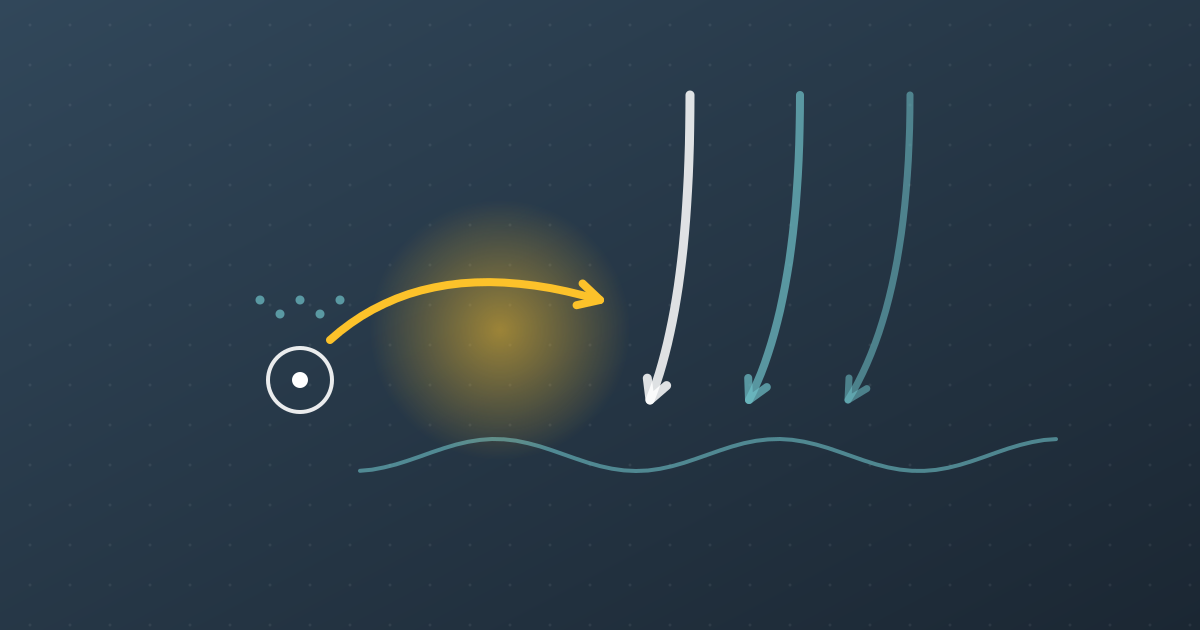
Joseph Joffre, the Marne and the Reserve
In late summer 1914, the French and British armies fall back before the German advance. Joseph Joffre uses the retreat to form new forces, among them the Sixth Army near Paris. When the German flank lies open, it attacks, and the advance on Paris comes to a halt at the Marne.

Mátyás Rákosi, Hungary and Salami Tactics
In 1945, the Smallholders win Hungary’s election; the Communists get only about 17%. Four years later, the Communist Party rules alone. Its leader, Mátyás Rákosi, later described in his own words how it was done: slice by slice, as with a salami.

Satoshi Nakamoto, Bitcoin and Formlessness
In January 2009, a network for digital money goes live that has no headquarters, no boss and no company address. Because Bitcoin has no fixed form, no single authority can shut it down, not even when its inventor disappears.
Hernán Cortés, the Ships of Veracruz and Death Ground
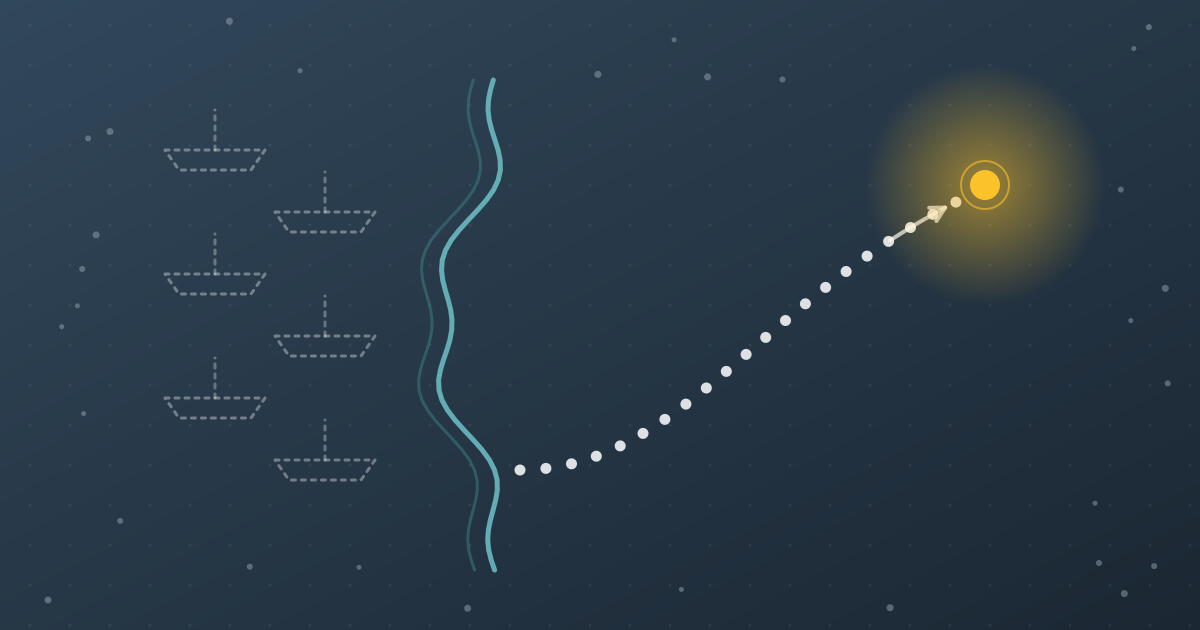
In the summer of 1519, on Mexico’s Gulf Coast, Hernán Cortés has almost all of his ships destroyed. His men are left with no way back to Cuba, only the way forward. That is exactly what he wants.

Alexander Fleming, Penicillin and Fortuna and Virtù
In September 1928, Alexander Fleming finds a contaminated culture dish in his London laboratory in which a mold has killed the bacteria. Chance provides the discovery, and Fleming’s trained eye recognizes it. But only the drive of others turns it into a medicine.

Henry Ford, the Assembly Line and Bottleneck Focus
In 1913, assembling a Model T chassis at Ford’s Highland Park plant takes around 12.5 hours of labor. Henry Ford and his engineers attack exactly that step with a moving assembly line. By 1914, the effort falls to 93 minutes, and the car becomes affordable for millions.
John F. Kennedy, the Cuban Missile Crisis and Brinkmanship
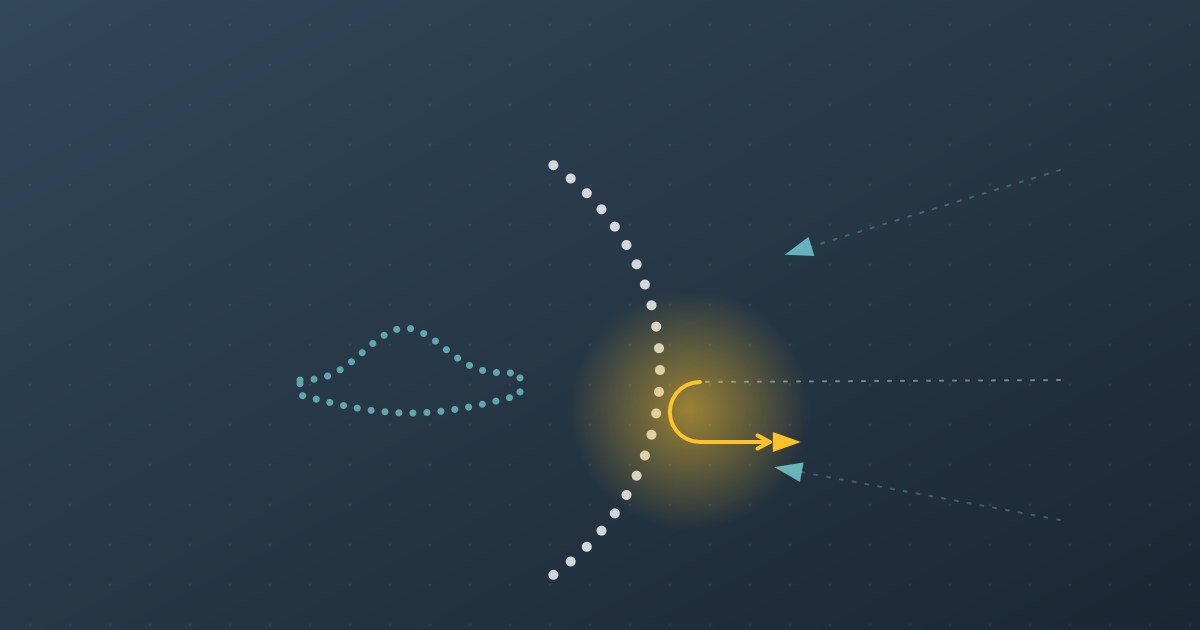
In October 1962, the United States discovers Soviet nuclear missiles in Cuba. John F. Kennedy chooses neither attack nor inaction but a naval blockade that moves both sides closer to a war nobody wants. After 13 days, Nikita Khrushchev gives way.

Roger Ailes, Fox News and the Principle of Emptiness and Fullness
In 1996, Fox News launches against CNN, which has dominated television news in the United States for 16 years. Roger Ailes does not attack CNN where it is strong but where nobody is: among viewers who do not feel represented by the established news outlets.
James Brussel, the Mad Bomber and the Principle “Become the Enemy”
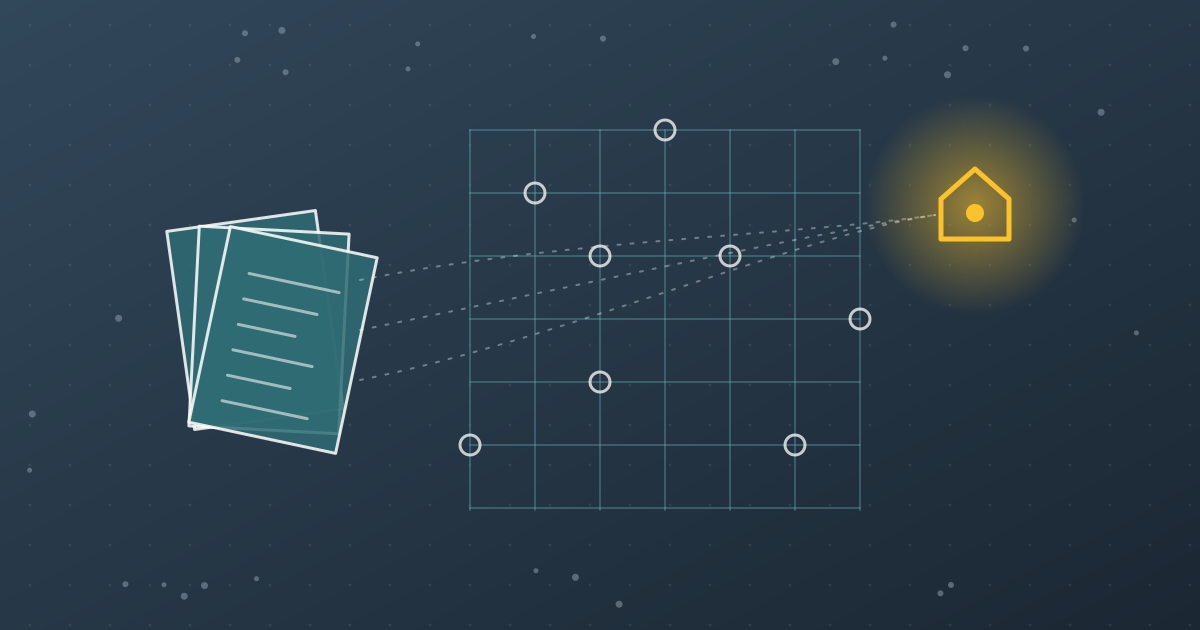
For 16 years, an unknown man plants bombs in New York, and the police find no trail. In 1956, the psychiatrist James A. Brussel reads the perpetrator’s letters, gets inside his head and describes a man who in many respects resembles George Metesky, the man later caught.

John Paul II, Poland 1979 and the Unity of Leaders and People
In June 1979, Pope John Paul II visits his homeland, Poland. Millions come to his Masses, and the country sees for itself that church and people are one, while the communist leadership of the state stands on the sidelines. A little over a year later, the trade union Solidarity is born.
Horatio Nelson, Trafalgar and the Square Law of Strength
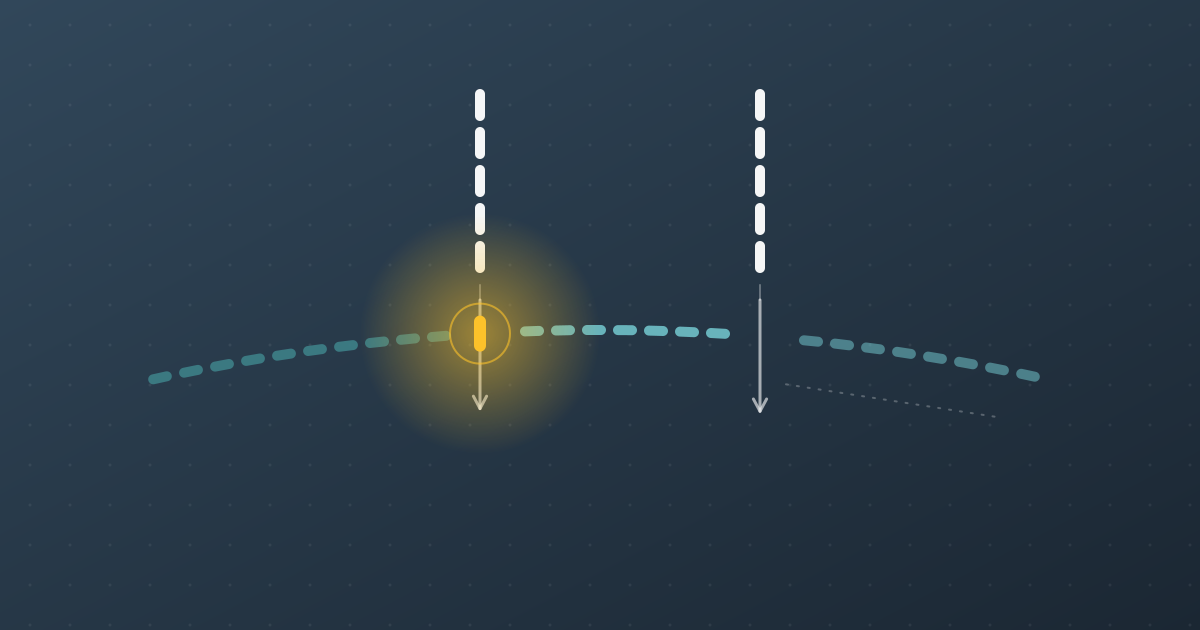
At Trafalgar in 1805, the British fleet is smaller than the Franco-Spanish one. Horatio Nelson wins anyway because he cuts the enemy line and strikes only one part of the enemy at a time with concentrated force.

Thomas C. Schelling, Grand Central Station and Focal Points
The economist Thomas C. Schelling asks students where they would meet a stranger in New York without being able to arrange anything beforehand. Most give the same answer: Grand Central Station at noon. Out of simple questions like these, the concept of focal points emerges in 1960.

Inchon 1950 and the Direct and the Indirect
In September 1950, UN troops in the Pusan Perimeter hold the North Korean army in place. While its forces are tied down there, Douglas MacArthur lands far in their rear at Inchon, cuts off their supply lines and thereby decides the campaign.

Brownie Wise, the Tupperware Party and the Principles of Influence
Tupperware languished on department store shelves. Brownie Wise moved its sales into friends’ living rooms and, starting in 1951, turned liking and reciprocity into a sales system.

Finland in the Winter War and Moral Forces
In the winter of 1939–40, the Soviet Union attacks little Finland with vastly superior forces. The Finns hold out for more than three months and preserve their independence, because will, cohesion and knowledge of the terrain make up for some of the tanks and guns they lack.
“Europe First,” World War II and Economy of Force
In the spring of 1941, even before the United States enters the war, American and British staffs agree: Germany is to be defeated first, and in the Far East a strategic defensive will suffice. The Pacific is to get only as much as it needs to hold. Putting this into practice shows how hard that “only as much” really is.