Contents
During the Cold War, governments asked themselves not only whether there would be war. They asked how a dispute turns into war. Herman Kahn gave an answer that still resonates today in strategy courses, negotiation training and conflict consulting: the Escalation Ladder. He broke the spiral of escalation down into individual steps. A vague sense of threat became a model people could talk about.
A physicist thinks the unthinkable
Situation
Herman Kahn (1922–1983) was a physicist who, after World War II, worked at the RAND Corporation, a think tank doing research for the U.S. Air Force. In 1960, he published “On Thermonuclear War.” The book calculated how a nuclear war might unfold and what might come after it. Many readers were horrified. In 1961, Kahn founded the Hudson Institute. That is where “On Escalation: Metaphors and Scenarios” was written; it was published in 1965.
Link to the principle
Kahn’s starting point was sober. If you don’t think about the rungs of a conflict, you stumble from one to the next when it counts. The escalation ladder was meant to prevent exactly this stumbling. It shows where you stand and which step would come next.
44 rungs and six thresholds
Situation
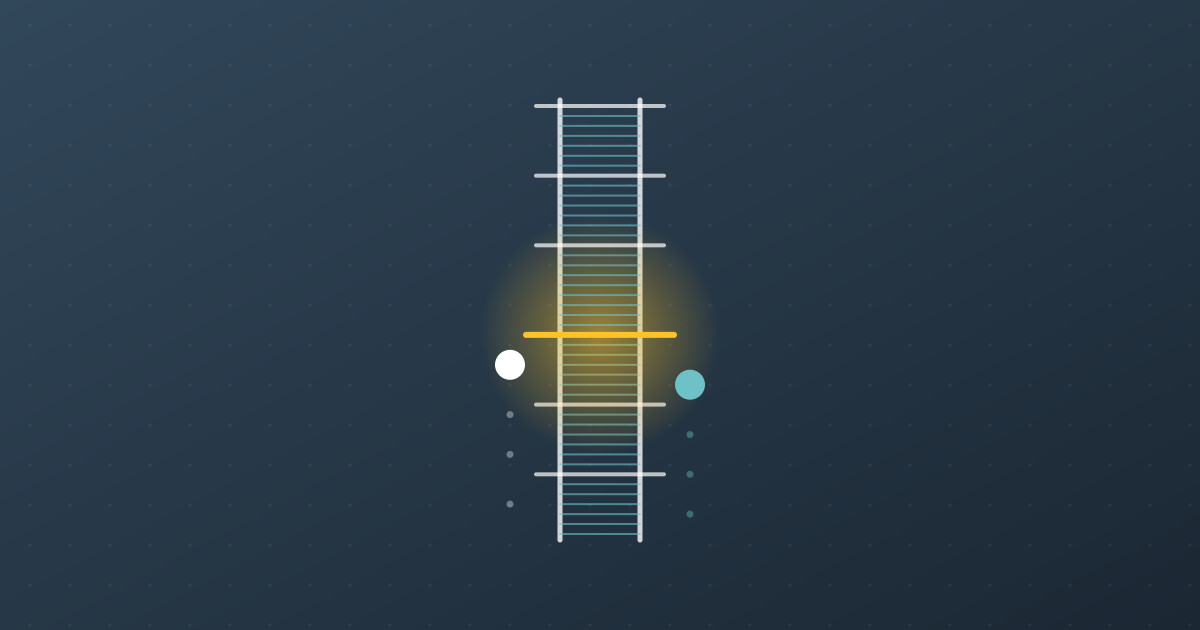
Kahn describes 44 rungs in seven groups. At the very bottom are the subcrisis rungs: an ostensible crisis, political and economic gestures, solemn and formal declarations, a hardening of positions. Then come traditional crises with shows of force and mobilization, followed by intense crises and finally rungs of limited and then general nuclear war. Kahn calls the top rung “spasm or insensate war,” a senseless war beyond any control. Between the groups lie six thresholds. Among the most important are the threshold beyond which nuclear war is no longer considered unthinkable and the threshold of the first use of nuclear weapons.
Link to the principle
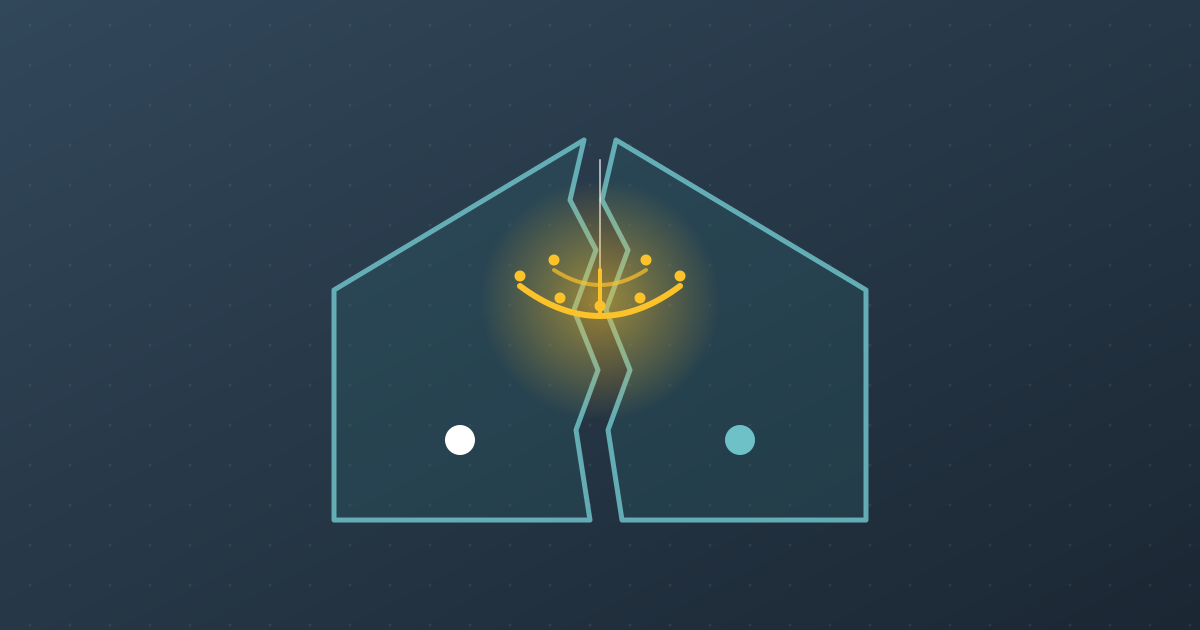
The thresholds are the real core of the model. Between two adjacent rungs, the step is small. At a threshold, the nature of the conflict changes. Whoever crosses a threshold sends a message the other side cannot miss. Whoever respects it shows a wish to set limits.
Who controls the next rung
Situation
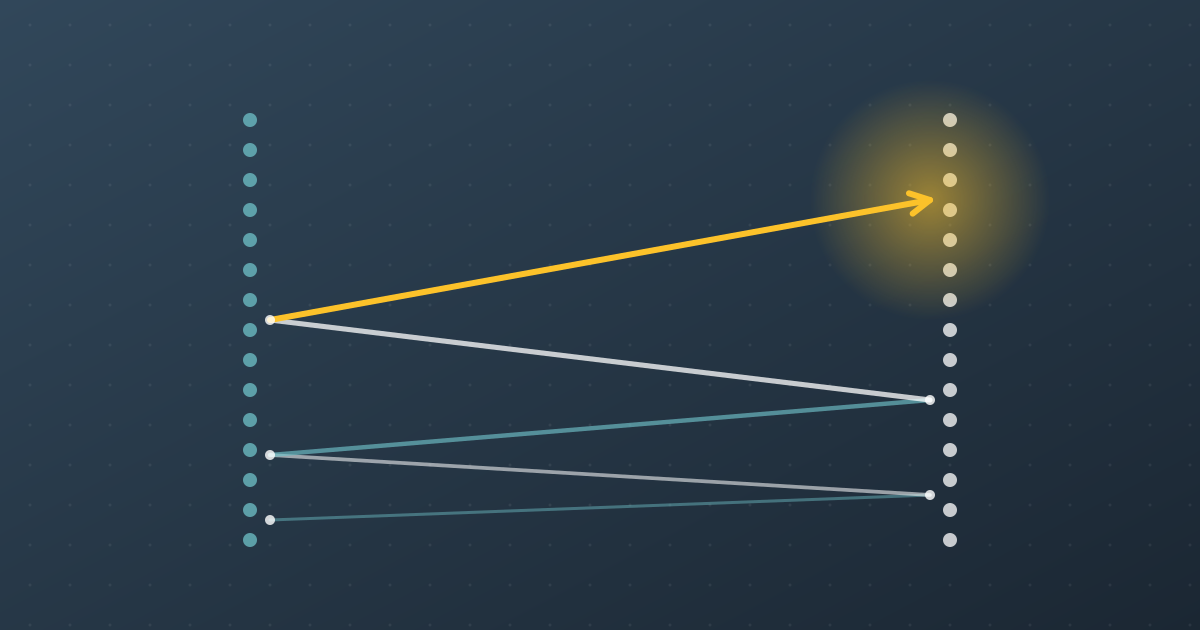
Kahn doesn’t just ask where a conflict stands. He asks who has the advantage on which rung. A side that would be stronger on the next rung up can demand more on the current one. The other side knows that a further step will cost it more. In the literature, this is called escalation dominance, a term traced back to Kahn’s thinking.
Link to the principle
That is exactly what the principle describes. The ladder is not an automatic climb upward. It is a space for negotiation. Often the winner is not the one who climbs highest. The winner is the one who can credibly show that they could climb and therefore doesn’t have to.
A metaphor, not a timetable
Situation
Kahn stresses in the subtitle itself that this is about metaphors and scenarios. Conflicts do not have to pass through every rung. You can skip rungs, stay on one or climb back down. The book was published in the year the United States significantly expanded its war in Vietnam. In that period, the word “escalation” became a political buzzword.
Link to the principle
The ladder is a thinking tool. It forces you to ask before every step: what does this step tell the other side? What response is likely? And how do I get back down?
Criticism of Kahn
Situation
Kahn was sharply criticized. He was accused of making the unthinkable thinkable and of breaking nuclear war down into plannable stages. Others doubted that people under pressure act as deliberately as the ladder assumes. Misunderstandings, fear and time pressure make conflicts jump, not climb. Kahn is also often named as one of the models for the character of Dr. Strangelove in Stanley Kubrick’s 1964 film.
Link to the principle
The criticism shows the limit of the principle. The ladder helps only if both sides read the rungs in a similar way. Where that is not the case, steering quickly turns into self-deception.
Key takeaways
Key lessons
- Break a conflict down into rungs before it overwhelms you.
- Pay particular attention to the thresholds at which the nature of the dispute changes.
- Ask yourself who would be stronger on the next rung.
- Plan the way down as carefully as the way up.
- Don’t assume that the other side reads your rungs the same way you do.
Summary
In 1965, Herman Kahn turned the escalation of conflicts into a model with 44 rungs and six thresholds. His core idea: whoever is superior on the next rung can determine the course on the current one, often without climbing further. The ladder is a thinking tool, not a timetable. It works only if both sides understand the rungs in a similar way.
Sources
- Herman Kahn: On Escalation: Metaphors and Scenarios. New York: Praeger 1965.
- Herman Kahn: On Thermonuclear War. Princeton: Princeton University Press 1960.
- GlobalSecurity.org: Escalation Ladder
- Wikipedia: Herman Kahn