The principle in detail
Three steps through the principle: grasp it, place it, put it to work. Open each topic on its own.
The core messageCore statement and 3 clarifications
If you know the rungs of a conflict, you can judge what a step means and how the other side is likely to react.
- It does not say
- That you should make threats. The model is above all a tool for understanding and limiting conflict.
- It does not say
- That conflicts climb in an orderly way, rung by rung. Often they jump.
- It also says
- A ladder holds only if the next rung is actually possible and the will to take it is evident.
The explanationThe principle works because the parties to a conflict think ahead.
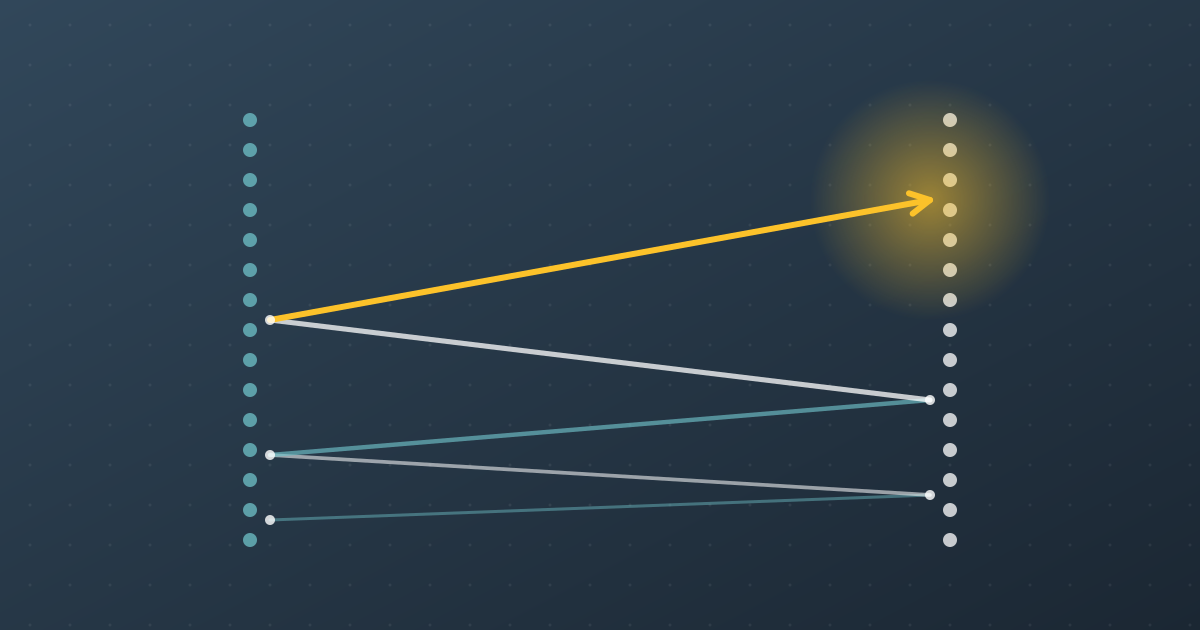
The principle works because the parties to a conflict think ahead. If you know that the other side is stronger on the next rung, you think twice about your next step.
Do you know the next rung of your conflict, and do you also know the way back down?
The signs3 signs when you heed it · 3 when you overlook it
- Your people know the rungs before a dispute begins, and you stick to them yourself.
- Before every sharper step, you ask what it tells the other side.
- For every conflict, you know a way back.
- You skip the lower rungs and go straight to the whole group.
- You reflexively escalate by one rung.
- You threaten consequences you never follow through on and lose your credibility as a result.
The backgroundFrom Herman Kahn’s work “On Escalation: Metaphors and Scenarios” (1965). · T5 Game Theory, Negotiation and Conflict
- 1965OriginHerman Kahn
On Escalation: Metaphors and Scenarios
- 1966SupplementedThomas C. Schelling
Arms and Influence
- 1980SupplementedFriedrich Glasl
Konfliktmanagement
- Tradition T5TraditionGame Theory, Negotiation and Conflict
Thomas C. Schelling, Robert Axelrod, Herman Kahn, Roger Fisher and William Ury
See the tradition on the Origin page
Read more: the full background
From Herman Kahn’s work “On Escalation: Metaphors and Scenarios” (1965). Supplemented by Thomas C. Schelling’s “Arms and Influence” (1966) and Friedrich Glasl’s “Konfliktmanagement” (1980).
The research3 sources: 3 theories · 1965–1980 · with limitations of the research
- weak
- moderate
- strong
The ladder is an influential conceptual model from strategy and conflict consulting; for the claim about superiority on the next rung, the sources contain no measurement.
- 1965Herman Kahn
“On Escalation”: a ladder with 44 rungs in seven groups and six thresholds, from the ostensible crisis to uncontrolled war (“spasm or insensate war”).
- 1966Thomas C. Schelling
“Arms and Influence”: escalation as a form of bargaining with risk.
- 1980Friedrich Glasl
“Konfliktmanagement” (in German; Conflict Management): nine stages from hardening to “Together into the abyss,” used in mediation and consulting with the aim of de-escalation.
- The ladder assumes that both sides read the rungs in a similar way and act deliberately.
- In real crises, fear, time pressure and misunderstandings make conflicts skip rungs.
- Herman Kahn was accused of making the unthinkable seem plannable.
- In families, teams and churches, deliberate escalation can destroy trust, even if you “win” the conflict.
Read more: what research shows
The model comes from Herman Kahn. In “On Escalation: Metaphors and Scenarios” (1965), he arranged conflicts on a ladder with 44 rungs in seven groups, separated by six thresholds, from the ostensible crisis to uncontrolled nuclear war. He wanted to show that crises can be managed if you know their stages. A year later, in “Arms and Influence,” Thomas C. Schelling described escalation as bargaining with risk. In 1980, in “Konfliktmanagement” (Conflict Management), Friedrich Glasl applied the idea to organizations and relationships; his nine-stage model is used in mediation and consulting to de-escalate. All three are conceptual models. They have not measured whether superiority on the next rung determines the course of a dispute.
The related principles61 Security Dilemma · 64 Credible Commitment · 66 Brinkmanship · 67 Salami Tactics
On the upper rungs, the principle leads to 66 Brinkmanship (a deliberately shared risk)
64 Credible Commitment makes the threat of the next rung credible
67 Salami Tactics deliberately stays below every threshold with small steps
61 Security Dilemma explains why conflicts climb the ladder even without ill intent
Read more: the full text
On the upper rungs, the principle leads to 66 Brinkmanship (a deliberately shared risk); 64 Credible Commitment makes the threat of the next rung credible, and 67 Salami Tactics deliberately stays below every threshold with small steps. 61 Security Dilemma explains why conflicts climb the ladder even without ill intent.
The action steps5 things you can actually do
Define a ladder for your area, from the clarifying conversation to the formal consequence, and make it known before a dispute begins.
- Mark the thresholds: where do words turn into deeds, where does a private matter become a public one?
- Before every step, ask yourself what response it is likely to trigger from the other side, instead of reflexively escalating by one rung.
Threaten only rungs you really can and want to take.
For every climb, plan a way back down, and offer it as soon as the other side gives way.
The reflection questions3 questions: Does your team know the rungs that will follow in a conflict with you?
- Does your team know the rungs that will follow in a conflict with you?
- When did you last reflexively escalate by one rung, and what did that trigger?
- Which consequence have you already threatened that you would not actually follow through on?
Take your time with one question. Write down your answer – or talk it over with someone you trust.
The picture to rememberThe animation once more, with an explanation
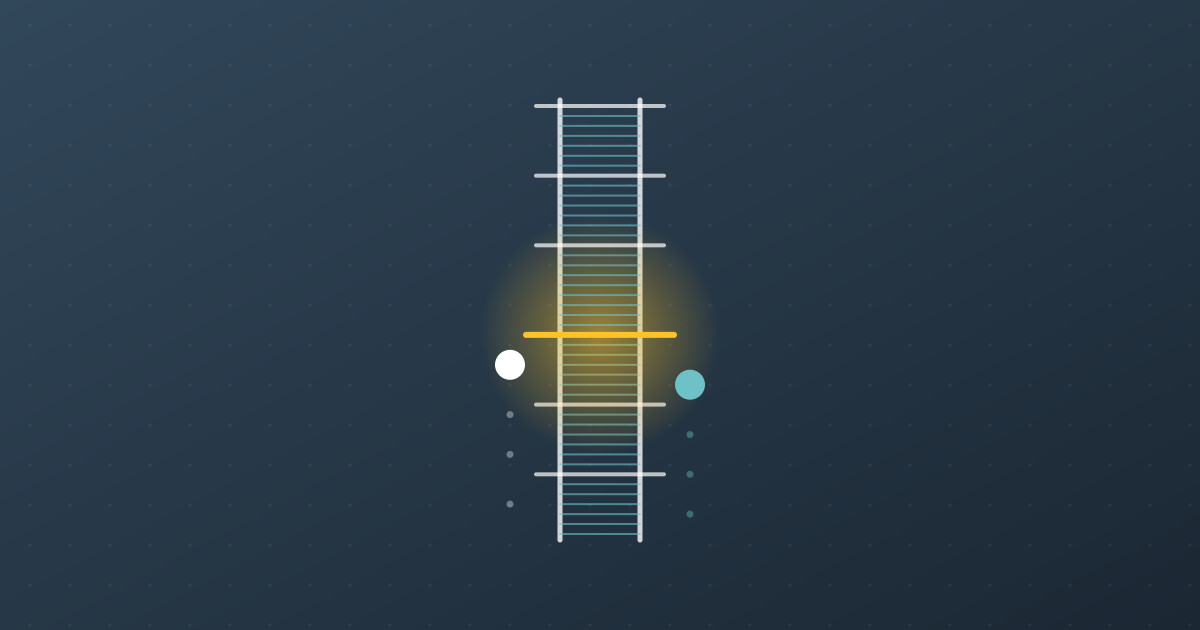
- A ladder of six teal lines stands in the frame, with a gold threshold glowing between two pairs of rungs
- Two dots climb higher in turn, growing smaller and paler, until one merely directs a beam at the next rung, where its outline appears large, and the other glides one rung down
How the principle shows up in practice
Herman Kahn, “On Escalation”
In 1965, Herman Kahn arranges conflicts on 44 rungs and shows that whoever controls the next rung has the advantage.
Ken Aston and the cards
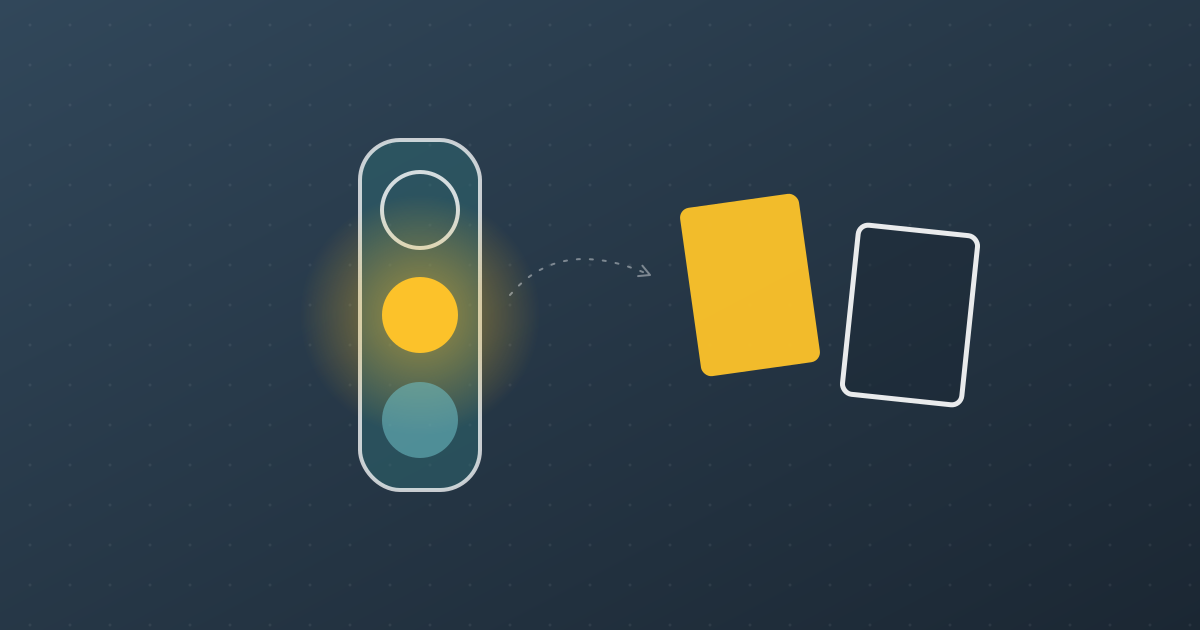
After the chaotic 1966 World Cup quarterfinal, Aston makes the rungs of punishment visible to everyone with yellow and red. A ladder works only if everyone can see the rungs.
The U.S.–China trade war
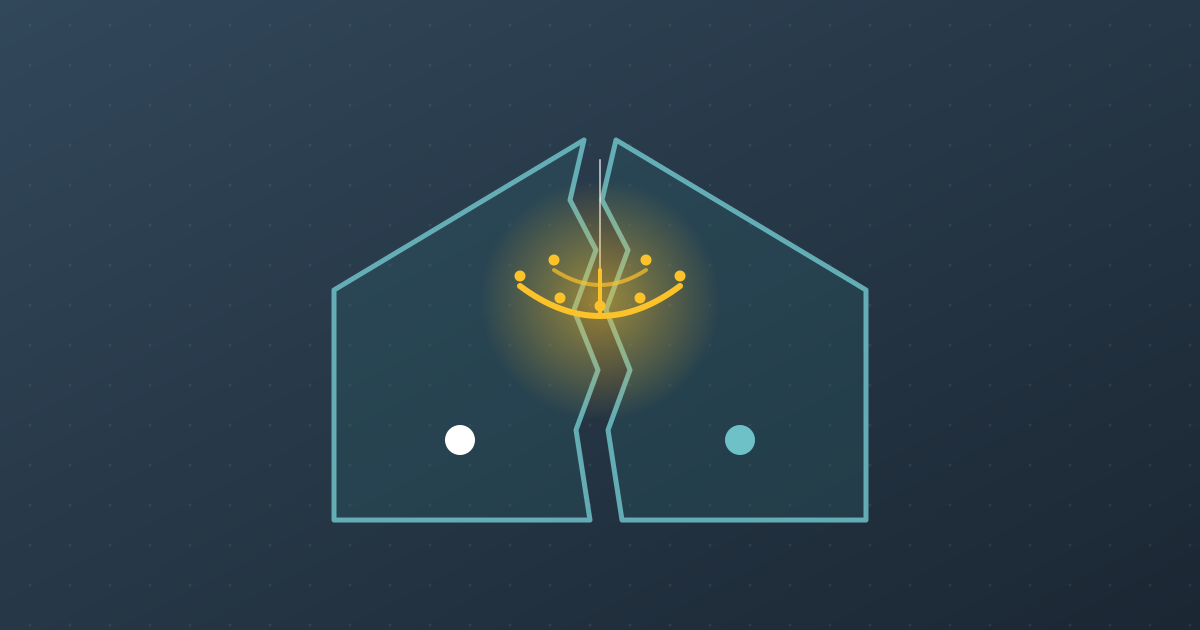
Starting in 2018, tariffs rise round by round. The side at a disadvantage on tariffs switches to another ladder, and coming down is harder than going up.
Which rung are you on?
Get your profile across all 12 groups in about 10 to 15 minutes.
Start the Strategy CheckGroup 8: Interaction, Alliances and Negotiation
Guiding question: How do you act when others are in the game too?
Stage 4 of 5: Act with others
- TraditionGame Theory, Negotiation and Conflict
Thomas C. Schelling, Robert Axelrod, Herman Kahn, Roger Fisher and William Ury
- Related principles
Where the 92 principles come from: eight traditions of strategy, from classical war theory to dealing with uncertainty.
More about the originBackground: WEGVISOR’s own selection from the strategy literature · More about the origin