The principle in detail
Three steps through the principle: grasp it, place it, put it to work. Open each topic on its own.
The core messageCore statement and 3 clarifications
A threat built on a shared risk can be more credible than an open threat, because the consequence is not fully in your hands.
- It does not say
- That the method usually succeeds. If the other side cannot give way, for example because it is politically trapped, it leads straight to harm.
- It does not say
- That it is a good tool in close relationships. In a family, a team or a church, it easily destroys the trust both sides depend on.
- It also says
- If you know the points at which the damage rises sharply, such as the start of a season or a payment deadline, you know when the pressure is greatest.
The explanationThe method works because it is dangerous, and that is exactly why it can fail.
The method works because it is dangerous, and that is exactly why it can fail. Chance, misunderstandings and emotions can make the situation spin out of control, and third parties often stand at the edge too: customers, children, employees.
Who bears the risk you are creating right now, and could you take responsibility for the damage if it happens?
The signs3 signs when you heed it · 3 when you overlook it
- You recognize when someone is leading you to the edge, and you ask who loses more from the fall.
- You leave the other side a way out that they can take without losing face.
- You factor in the third parties standing at the edge with you.
- You let deadlines pass and treat the abyss as mere scenery.
- You threaten to quit or break things off without considering that it could actually happen.
- Customers or employees pay the price for a fight that isn’t theirs.
The backgroundFrom Thomas C. Schelling’s work “The Strategy of Conflict” (1960). · T5 Game Theory, Negotiation and Conflict
- 1959SupplementedBertrand Russell
Common Sense and Nuclear Warfare
- 1960OriginThomas C. Schelling
The Strategy of Conflict
- 1966SupplementedThomas C. Schelling
Arms and Influence
- Tradition T5TraditionGame Theory, Negotiation and Conflict
Thomas C. Schelling, Robert Axelrod, Herman Kahn, Roger Fisher and William Ury
See the tradition on the Origin page
Read more: the full background
From Thomas C. Schelling’s work “The Strategy of Conflict” (1960). Supplemented by his book “Arms and Influence” (1966) and by Bertrand Russell’s comparison with the game of chicken in “Common Sense and Nuclear Warfare” (1959).
The research3 sources: 2 theories, 1 classic · 1959–1966 · with limitations of the research
- weak
- moderate
- strong
The logic is cleanly derived from game theory and widely accepted; whether in practice the method tends to make the other side give way or leads to harm has not been measured.
- 1960Thomas C. Schelling
“The Strategy of Conflict”: a threat can be credible if it creates a risk that the one making the threat does not fully control (“the threat that leaves something to chance”).
- 1966Thomas C. Schelling
“Arms and Influence”: brinkmanship as the manipulation of the shared risk of war; military means act as bargaining power and as a signal.
- Brinkmanship is one of the most dangerous strategies there is.
- It assumes that both sides read the situation in a similar way and can act in time.
- It is ethically questionable when the risk falls mainly on third parties.
- The sources explain why the threat can be credible; they do not show that the other side actually gives way.
Read more: what research shows
The term “brinkmanship” was coined in the American debate of the mid-1950s around Secretary of State John Foster Dulles, who in 1956, in Life magazine, praised the art of going to the brink of war without getting into it. In 1959, Bertrand Russell compared the nuclear policy of the great powers to the game of nerve played by young drivers, which game theory has since called “chicken.” The theory came from Thomas C. Schelling: in “The Strategy of Conflict” (1960), he describes the threat that leaves something to chance, and in “Arms and Influence” (1966), the manipulation of the shared risk of war. For his work on conflict and cooperation, he received the Nobel Memorial Prize in Economic Sciences in 2005, together with Robert J. Aumann. None of these works measures how often the method succeeds or how often it fails.
The related principles61 Security Dilemma · 64 Credible Commitment · 68 Escalation Ladder · 69 Best Alternative
The principle becomes credible through 64 Credible Commitment (a visible commitment not to back down)
69 Best Alternative decides who can endure the brink longer
68 Escalation Ladder shows it as a step onto the next rung with an open outcome
61 Security Dilemma explains how mutual reactions create a dangerous situation that nobody wanted
Read more: the full text
The principle becomes credible through 64 Credible Commitment (a visible commitment not to back down), and 69 Best Alternative decides who can endure the brink longer; 68 Escalation Ladder shows it as a step onto the next rung with an open outcome. 61 Security Dilemma explains how mutual reactions create a dangerous situation that nobody wanted.
The action steps5 action steps: In every deadlocked conflict, check whether a shared risk is growing, and name it openly.
In every deadlocked conflict, check whether a shared risk is growing, and name it openly.
- Write down what each side loses from the fall. The side that loses less holds out longer, and that is not always you.
Mark the fixed dates on which the damage rises sharply, and plan your steps before them.
- Build the other side a way out before you apply pressure: an offer they can accept without losing face.
Leave the method alone if it is mainly third parties who bear the risk, or if the relationship matters more to you than the point you are fighting over.
The reflection questions3 questions: In which conflict are you currently waiting for the other side to give in first?
- In which conflict are you currently waiting for the other side to give in first?
- Who would be standing at the edge with you if things go wrong, and has anyone asked them?
- What way out can you offer the other side that lets them save face?
Take your time with one question. Write down your answer – or talk it over with someone you trust.
The picture to rememberThe animation once more, with an explanation
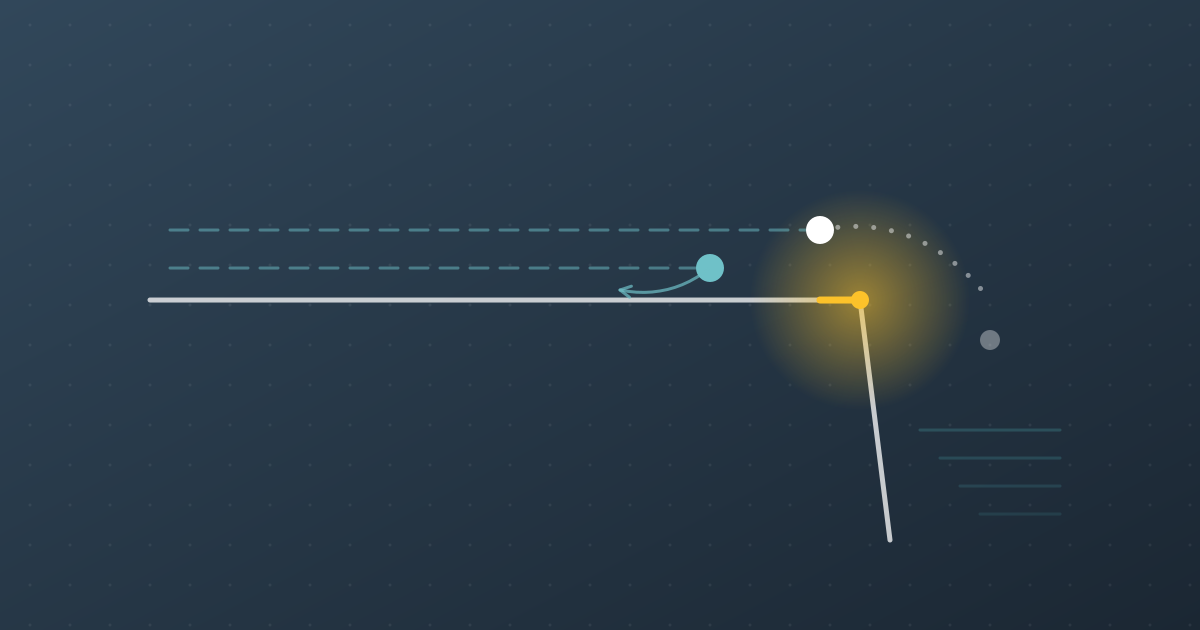
- Two dots stand on a narrow teal line above a drop, connected by a taut line
- With every pull, dots break away from the gold edge and fall, while an arc fills up like a clock
- A wave makes both sway
- Then one dot releases the line, and both glide back onto firm ground
How the principle shows up in practice
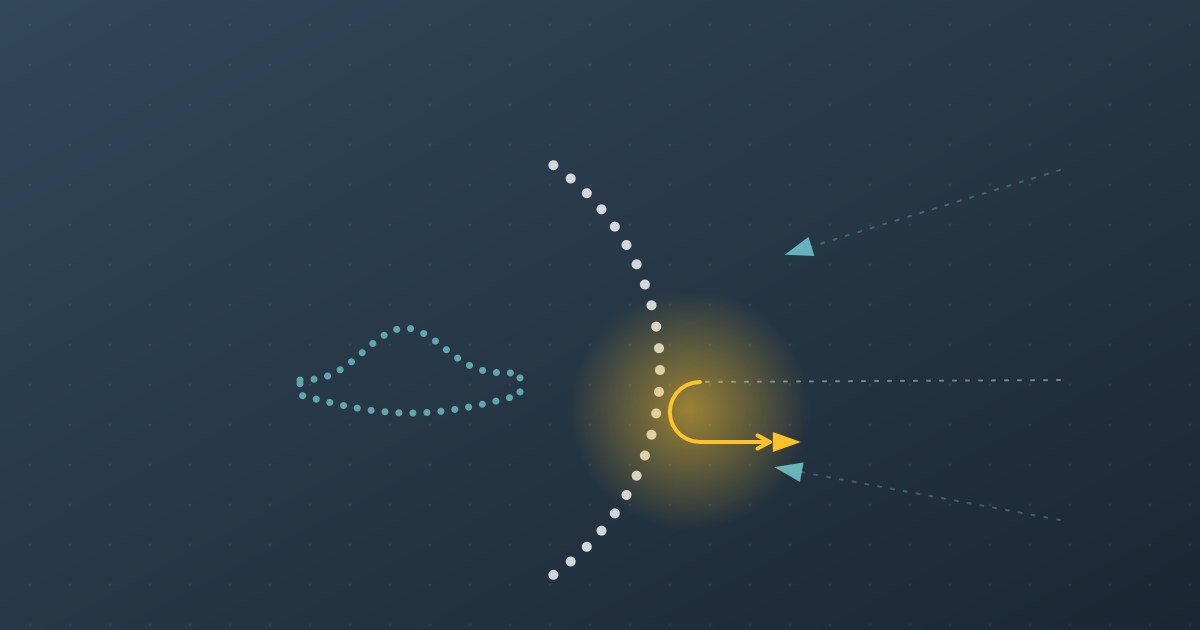
John F. Kennedy, the Cuban Missile Crisis
The 1962 naval blockade brings ships of both superpowers into a situation neither fully controls. Nikita Khrushchev gives way, helped by a secret concession.
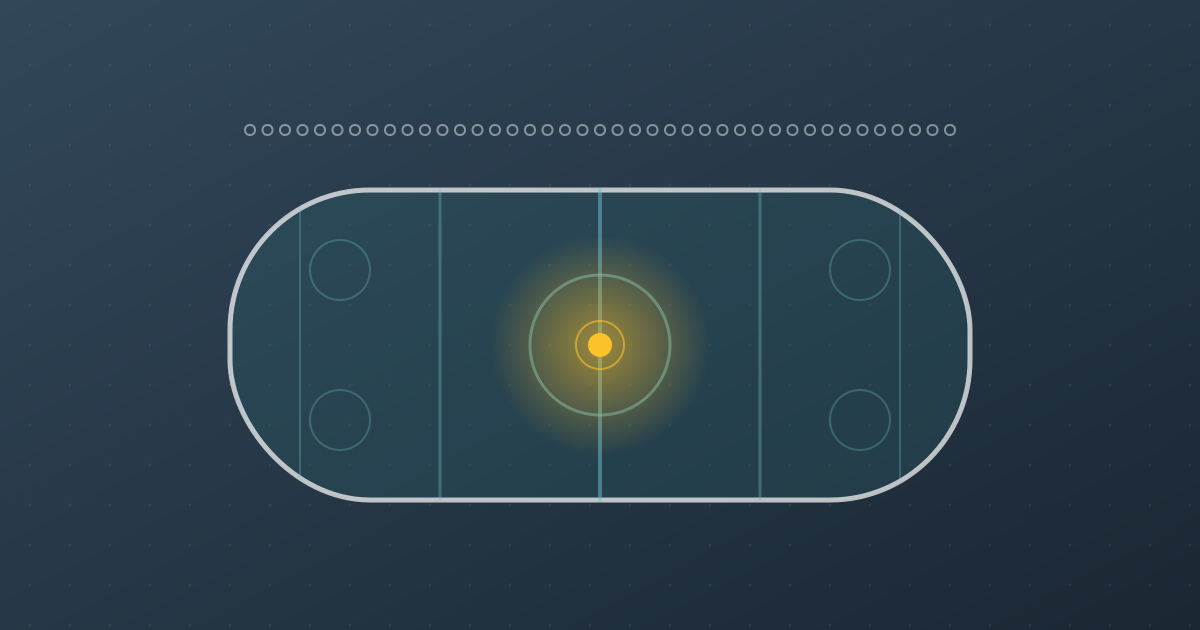
The 2004–05 NHL lockout
The team owners sacrifice an entire season, and in the end the players accept a salary cap lower than the last offer before the cancellation.
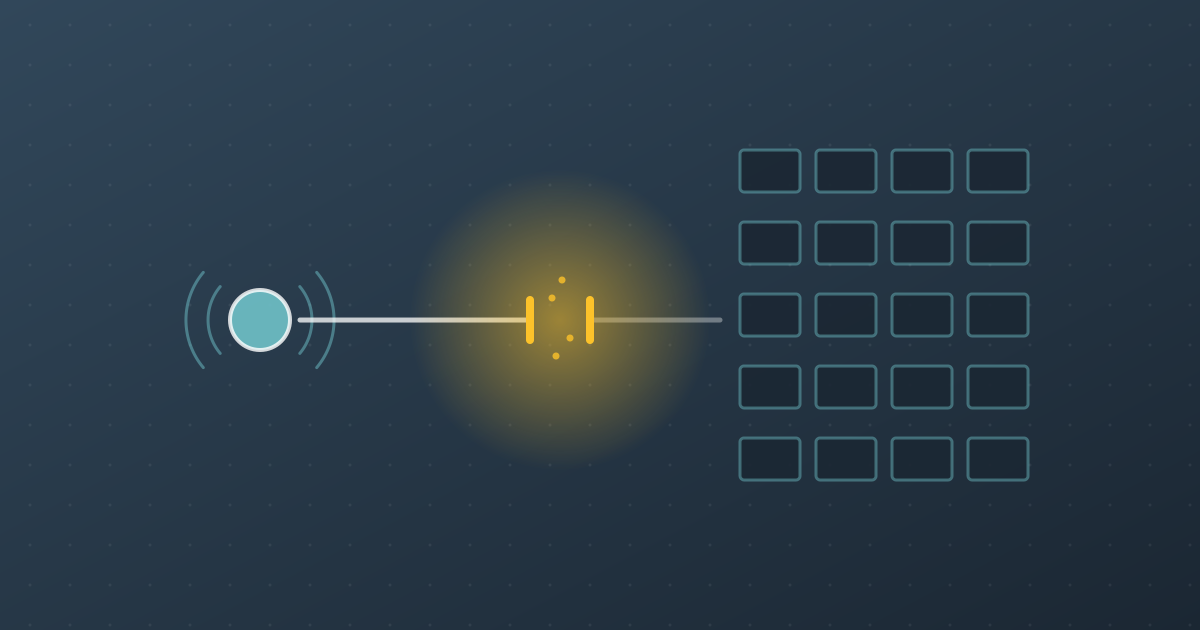
CBS, Time Warner Cable
A month-long blackout for about three million viewers, until an agreement is reached shortly before the start of the football season.
Who shares your risk?
Get your profile across all 12 groups in about 10 to 15 minutes.
Start the Strategy CheckGroup 8: Interaction, Alliances and Negotiation
Guiding question: How do you act when others are in the game too?
Stage 4 of 5: Act with others
- TraditionGame Theory, Negotiation and Conflict
Thomas C. Schelling, Robert Axelrod, Herman Kahn, Roger Fisher and William Ury
- Related principles
Where the 92 principles come from: eight traditions of strategy, from classical war theory to dealing with uncertainty.
More about the originBackground: WEGVISOR’s own selection from the strategy literature · More about the origin