In January 1917, the German Empire secretly offers Mexico an alliance against the United States. British codebreakers read the message, and now the problem is a different one: How do you use knowledge without revealing where you got it?
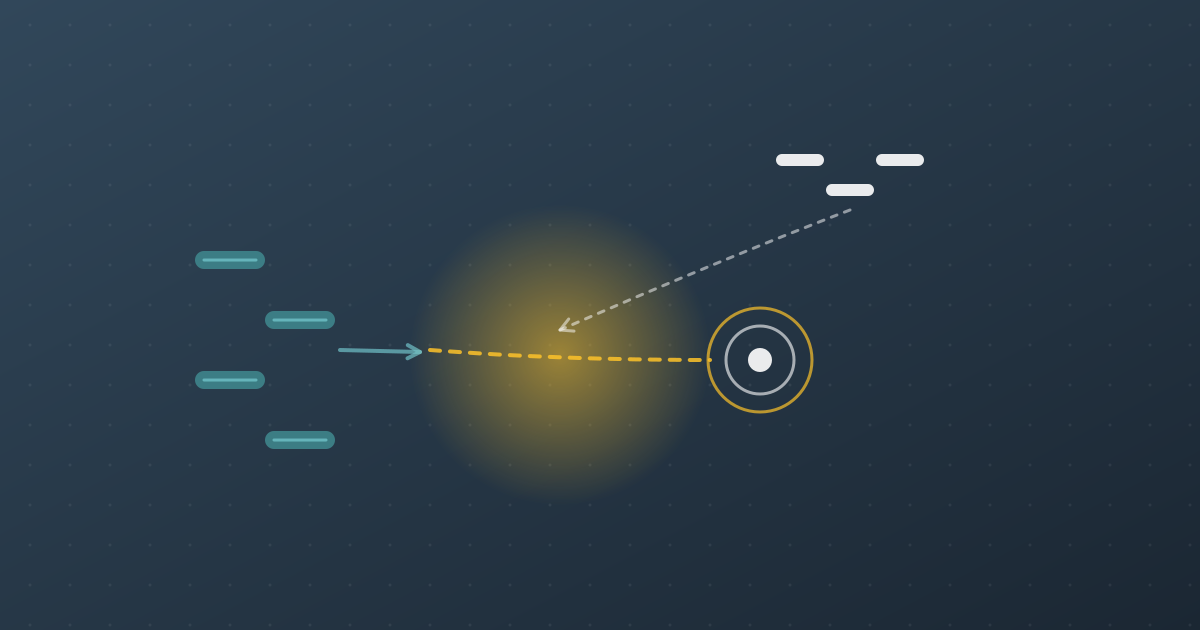
A golden circle draws teal lines around itself on every side like walls and grows paler as it does, while behind a mist-blue frame a dot can only be guessed at as a shadow. A small golden point of light travels across from the other side and points to one spot with an arc; the circle releases the other lines, places a single golden line there, and the shadow dot runs into it at exactly that spot.
Principle #17
Foreknowledge: If you know early and reliably what the other side intends, you can act before it does; that is why good knowledge is often worth more than additional strength.
3 min read5 sectionsSituationLink to the principle
Contents
Sun Tzu devotes the last chapter of “The Art of War” to spies. Foreknowledge, he writes in essence, is gained not from spirits, not from comparisons and not from calculation, but only from people who know the other side’s situation. In the First World War, it is cryptologists who deliver this knowledge. The Zimmermann Telegram shows how much a single decrypted text can be worth and how wisely you have to handle it.
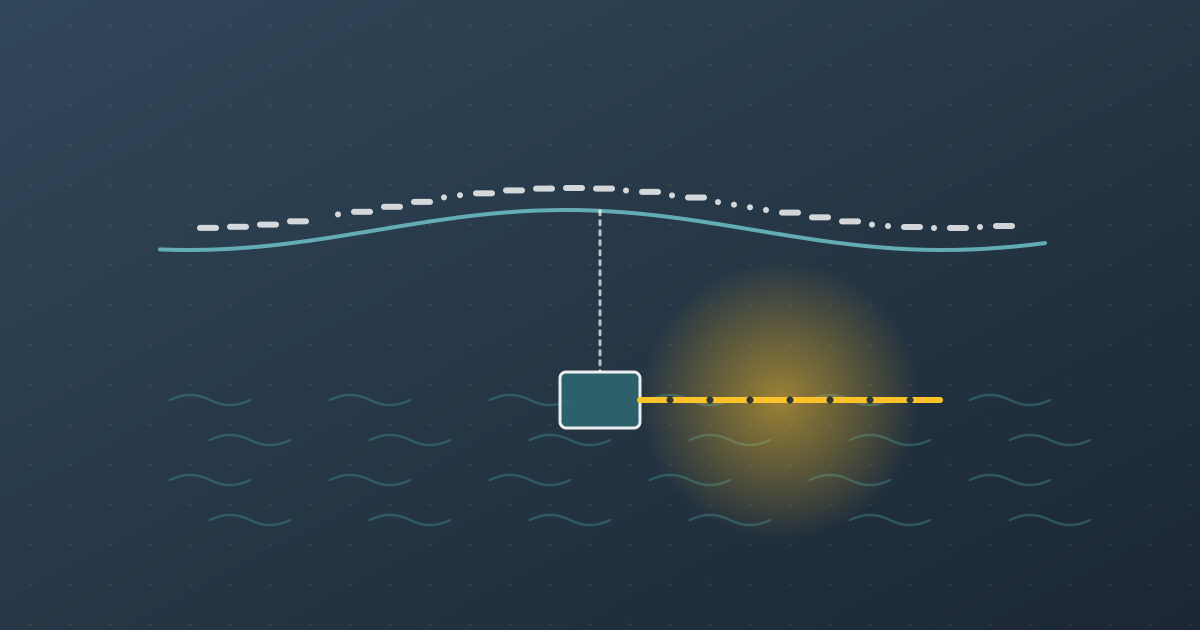
An encrypted sequence runs through a cable across the sea, and a branch line makes it readable as a golden line – as with the Zimmermann Telegram.
01
A telegram full of secrets
Situation
On January 16, 1917, Arthur Zimmermann, the State Secretary of the German Foreign Office, sends an encrypted message to the German minister in Mexico. If unrestricted submarine warfare draws the United States into the war, Mexico is to be offered an alliance: waging war together, making peace together and receiving financial support. As a reward, Mexico is to regain Texas, New Mexico and Arizona. Mexico is also to persuade Japan to switch sides.
Link to the principle
The message contains exactly what Sun Tzu considers the most valuable raw material: the other side’s intentions before they are carried out. If you know them, you don’t have to guess.
02
Room 40
Situation
The telegram is sent by several routes, including cables that pass through British hands. In the British Admiralty sits a group of codebreakers known as Room 40. Nigel de Grey decrypts part of the text the next day, and William Montgomery helps complete it over the following weeks.
Link to the principle
Foreknowledge does not fall from the sky. It is the result of years of patient work on other people’s codes. If you only start gathering knowledge in a crisis, you are too late.
03
The dilemma of the one who knows
Situation
William Reginald Hall, the Director of Naval Intelligence, initially holds the message back. Publishing it would have revealed that Britain had broken German codes and was even reading the diplomatic traffic of the United States. On February 1, 1917, Germany resumes unrestricted submarine warfare; on February 3, the United States breaks off diplomatic relations.
Link to the principle
Foreknowledge comes at a price. Using it can expose the source. Hall waits until the benefit outweighs the damage. Handling knowledge wisely also means choosing the right moment.
04
The cover story
Situation
According to later accounts, a British agent obtains a copy from the telegraph office in Mexico through a bribed employee. This version had been forwarded via the German embassy in Washington. That allows the British to claim the text was stolen in Mexico. On February 19, Hall shows the telegram to a diplomat at the American embassy in London. On February 24, President Woodrow Wilson learns of its contents, and on March 1, the telegram is published in the American press.
Link to the principle
The British protect their foreknowledge by supplying a plausible explanation. The source stays hidden and can go on being used. If you have knowledge, you often have to hide the fact that you have it, too.
05
From text to declaration of war
Situation
At first, many Americans think the telegram is a British forgery. On March 3, Zimmermann himself confirms to a journalist that it is genuine. On March 29, he repeats this in the Reichstag. On April 2, Wilson asks Congress for a declaration of war, and on April 6, 1917, the United States declares war on the German Empire. After considering the offer, Mexico declines.
Link to the principle
Historians weigh the telegram’s impact differently. On its own it did not lead the United States into the war; the submarine war weighed heavily, too. But it changed public sentiment. Foreknowledge has its greatest effect when it reaches the right people at the right time.
Key takeaways
Key lessons
01
Invest in knowledge long before you need it.
02
Ask not only what you know but also what your knowledge gives away.
03
Choose the moment you use your knowledge with care.
04
Protect your best sources, even if it means taking detours.
05
Remember that knowledge has an effect only once others believe it.
Summary
The Zimmermann Telegram revealed the German Empire’s intention to set Mexico against the United States. British codebreakers read it. Instead of acting at once, William Reginald Hall waited for the right moment and supplied a cover story that protected his source. When Zimmermann confirmed it was genuine, the mood in the United States turned. Foreknowledge proved to be a weapon that demands patience, protection and timing.