Contents
Foreknowledge sounds like espionage and codebreakers. In business it often means knowing what customers want before they say so themselves. With “House of Cards,” Netflix showed how such knowledge can turn into a bold decision. But the case also shows what data cannot know.
An unusual offer
Situation
The studio Media Rights Capital has bought the rights to a British political series from the 1990s and wants to remake it for the U.S. market. The writer Beau Willimon is writing the script, David Fincher is to direct the first two episodes and Kevin Spacey is to play the lead. In March 2011, the project becomes public. The studio offers the series to HBO, Showtime and AMC, among others. Netflix outbids them and orders 26 episodes for two seasons without asking for a pilot.
Link to the principle
TV networks usually test a series with a pilot episode and focus groups. That is an attempt to generate knowledge you don’t have. Netflix skips this step because it already has the knowledge.
What the data showed
Situation
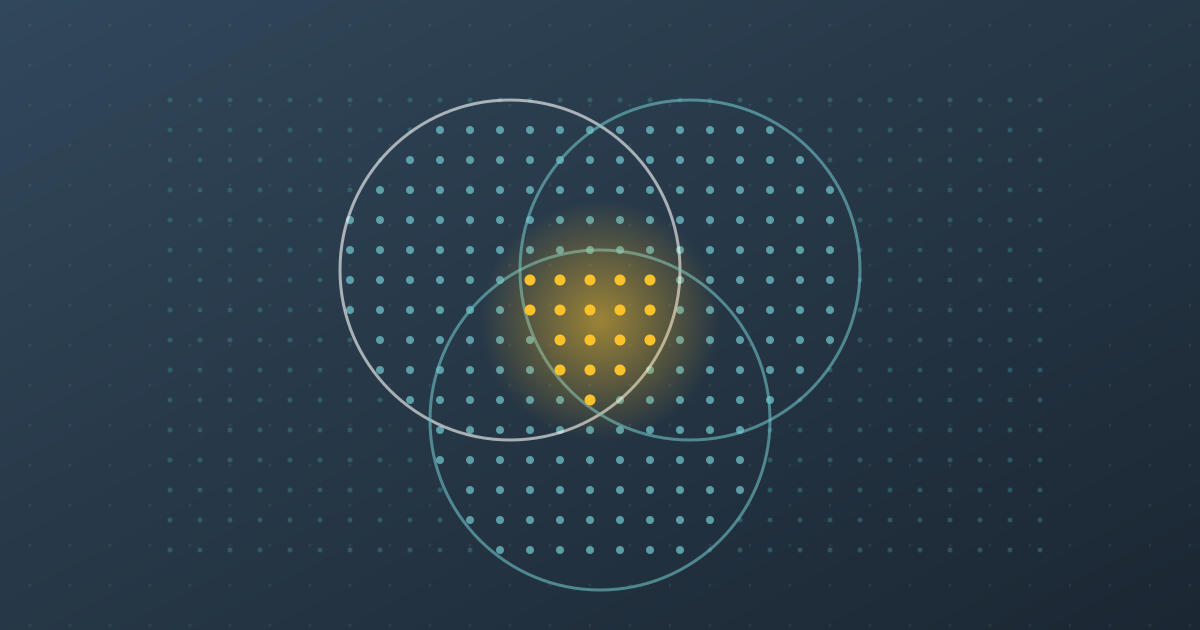
According to a New York Times report summarized by BizTech magazine in 2014, Netflix sees three signals in its data: a good share of subscribers have streamed David Fincher’s work, such as “The Social Network,” from beginning to end. Films with Kevin Spacey do well. And the original British series is also popular on Netflix. The overlap of these three groups suggests that the new series will find an audience. According to these reports, content chief Ted Sarandos bases the decision on such data about viewing behavior.
Link to the principle
Sun Tzu demands firsthand knowledge instead of guesswork. Netflix has exactly that: not surveys about what people supposedly like, but data about what they actually watch to the end. This is foreknowledge about the behavior of millions of customers.
Knowledge as a bargaining advantage
Situation
Because Netflix is confident, it can make an offer others are unwilling to make: two seasons at once, with no test phase. With that, Netflix wins out over established networks.
Link to the principle
Foreknowledge gives you a time advantage. If you already know, you can act while others are still checking. That makes the commitment valuable to the creators and wins Netflix the deal.
All episodes at once
Situation
On February 1, 2013, Netflix releases the entire first season of 13 episodes on a single day. The series receives nine Primetime Emmy nominations, the first online-only series to earn such nominations. David Fincher wins the Emmy for directing the first episode.
Link to the principle
The release format, too, is based on knowledge of user behavior: many subscribers watch several episodes in a row. Netflix adapts to that instead of following television’s weekly rhythm.
The limits of data-based knowledge
Situation
The data predicted that there was an audience. It did not predict whether the series would be good. Its success came from the writing, the directing and the acting. And no dataset foresaw that in 2017, following allegations against Kevin Spacey, Netflix would halt production and part ways with him. The final season was made in 2018 without him.
Link to the principle
Foreknowledge is knowledge of intentions and patterns, not of the future. It reduces risk but does not eliminate it. Data tells you what people have done so far, not what will happen tomorrow.
Key takeaways
Key lessons
- Ask yourself what knowledge you already have that others must laboriously generate.
- Trust observed behavior more than stated opinions.
- Use knowledge to commit faster and more clearly than others.
- Shape the form of your offering, too, around what you know about your customers.
- Don’t confuse knowledge of the past with certainty about the future.
Summary
Netflix knew from its viewing data that Fincher, Spacey and the British original each had a large audience. This foreknowledge allowed a commitment to two seasons without a pilot, with which Netflix won out over established networks. The series became a success and brought Netflix its first major Emmy nominations. At the same time, the case shows the limit: data knows patterns, but not quality and not the unforeseeable events of the future.
Sources
- Sun Tzu: The Art of War, Chapter 13. China, c. 5th century BC.