Scipio, Hannibal and the Principle “Know the Enemy and Yourself”
At Zama in 202 BC, Publius Cornelius Scipio faces Hannibal, the most feared commander of his time. He wins because he knows Hannibal’s strengths precisely, compensates for his own weakness in advance and shapes the situation so that Hannibal’s best weapons come to nothing.
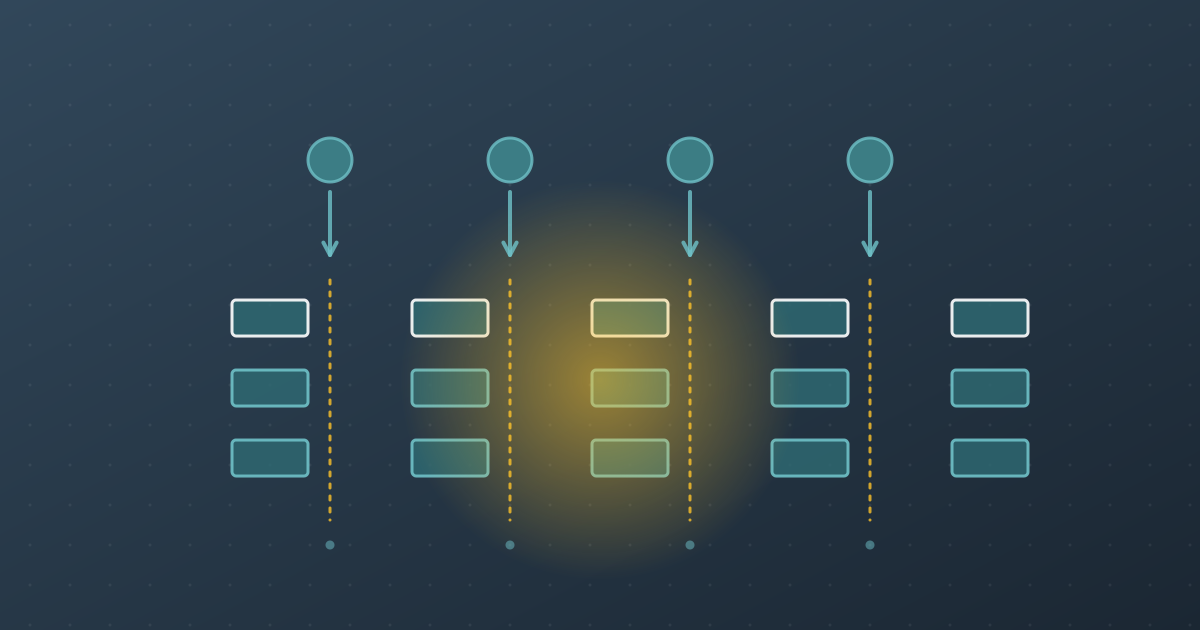
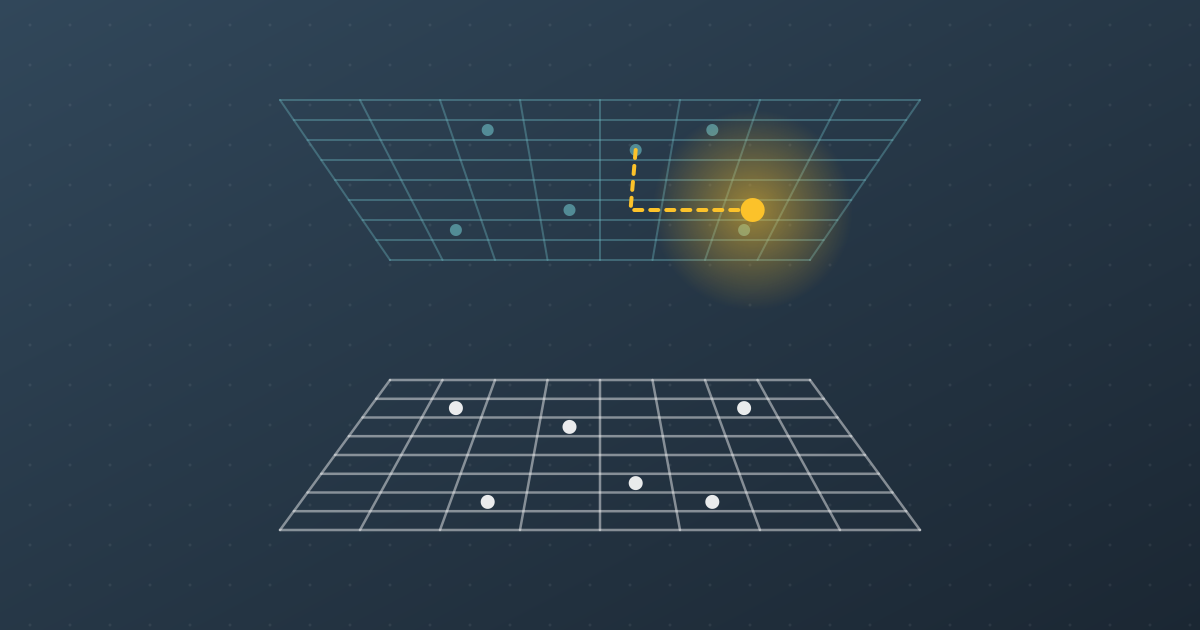
A golden circle directs a beam of light at a group of mist-blue dots opposite it, above which short and long lines appear as strengths and weaknesses; then the beam turns back on the circle itself, and lines appear above it, too. Only when both rows of lines lie side by side on a teal balance line does a golden gate open on the side where the circle can prevail, while a second gate deliberately stays closed.
Principle #16
Know the Enemy and Yourself: If you take a sober look at the strengths and weaknesses of the other side and your own, you choose the contests you can win and avoid the others.
4 min read5 sectionsSituationLink to the principle
Contents
In the third chapter of “The Art of War,” Sun Tzu writes that if you know the enemy and yourself, you need not fear even a hundred battles. If you know only yourself, you will lose as often as you win. Hardly any battle of antiquity shows the principle “Know the Enemy and Yourself” as clearly as Zama. Here a commander who has spent years learning from defeats at Hannibal’s hands faces the master himself.
Large dots charge toward a formation, but it has opened golden lanes through which the charge runs into empty space – as with Scipio at Zama.
01
An enemy Rome feared
Situation
In the Second Punic War, Hannibal crosses the Alps into Italy in 218 BC. He defeats the Romans several times, most devastatingly at Cannae in 216 BC. The young Publius Cornelius Scipio experiences these years at close range. According to the Roman historian Livy (Titus Livius), he is among the survivors of Cannae. Later he conquers Spain and defeats the Carthaginians at Ilipa in 206 BC with an envelopment of the kind Hannibal had demonstrated at Cannae.
Link to the principle
Scipio studies his opponent through Hannibal’s victories. He adopts what makes Hannibal strong and in doing so learns where Hannibal’s method is vulnerable. Knowing your opponent begins with being willing to learn from them.
02
Cavalry as Hannibal’s trump card
Situation
Hannibal’s victories in Italy rest heavily on his superior cavalry, above all his Numidian horsemen. Scipio trains his army in Sicily for about a year and crosses to Africa in 204 BC. There he wins over the Numidian prince Masinissa as an ally. According to Polybius, Masinissa joins him shortly before the battle with 6,000 foot soldiers and 4,000 horsemen.
Link to the principle
This shows the second half of the principle. Scipio knows that Rome’s own cavalry is the weak point. He does not ignore it but changes the balance of strength before the battle begins. He takes away from Hannibal precisely the advantage that had made him so dangerous in Italy.
03
Lanes for the elephants
Situation
At Zama, in the fall of 202 BC, Hannibal fields about 40,000 men and 80 war elephants, according to the ancient sources. Scipio arranges his maniples not in the usual staggered formation but one behind the other. This creates wide lanes through the battle line, in which light troops, the velites, are stationed. When the elephants charge, the Romans make a din with horns, trumpets and weapons. Some of the animals panic and run back into the Numidian horsemen on the Carthaginian side. Others run through the lanes without breaking the ranks.
Link to the principle
Scipio knows the enemy’s weapon and its weakness: elephants are hard to steer and easily panicked. He does not confront them head-on but gives them a path along which they do little damage.
04
Hannibal knows himself, too
Situation
Hannibal, too, reads the situation precisely. His army is a mixed one: mercenaries, Libyans and Carthaginians from the home territory, and his experienced veterans from Italy. He deploys them in three lines and holds the veterans back as the last line. The Greek historian Polybius reports that before the battle Scipio had some captured Carthaginian scouts given a tour of his camp and then sent them back unharmed. Afterward the two commanders meet for a conversation that ends without agreement.
Link to the principle
Zama is not a victory of the well-informed over the clueless. Both know each other well. What decides is who has prepared the conditions better. Scipio even shows his opponent his strength openly, because he knows it is real.
05
The decision comes from the flanks
Situation
Masinissa and Gaius Laelius, who leads the Roman and Italian cavalry, drive off the Carthaginian horsemen. In the center, the infantry fights for a long time. Then the cavalry returns and falls on the rear of Hannibal’s veterans. Polybius gives 20,000 Carthaginians killed and about as many taken prisoner; according to him, the Romans lose a little more than 1,500 men. Polybius was close to the Scipio family, so his figures should be read with caution. Hannibal escapes. In the peace of 201 BC, Carthage loses its territories outside Africa, has to pay 10,000 talents over 50 years and may keep only 10 warships.
Link to the principle
The victory is decided exactly where Scipio had done his groundwork: with the cavalry. If you know the enemy and yourself, you know where a contest will be decided, and you make sure you are superior there.
Key takeaways
Key lessons
01
Learn from your opponent’s successes, not just from their mistakes.
02
Name your own weak point honestly and make up for it before things get serious.
03
Look for the weakness hidden in the other side’s strength.
04
Steer a force you cannot stop to where it will do little harm.
05
Knowledge alone does not decide: shape the situation before the decision falls.
Summary
At Zama, Scipio defeated the commander before whom Rome had trembled for 15 years. He knew Hannibal’s method from his own experience, was aware of the weakness of the Roman cavalry and made up for it through his alliance with Masinissa. Against the elephants he found a formation that directed their force into empty space. Both commanders knew each other, but only one had drawn the consequences of that knowledge in time.