In June 1948 the Soviet Union blocks all land and water routes to West Berlin. The Western Allies respond not with tanks but with aircraft. For almost 11 months they supply a city of more than two million people from the air.
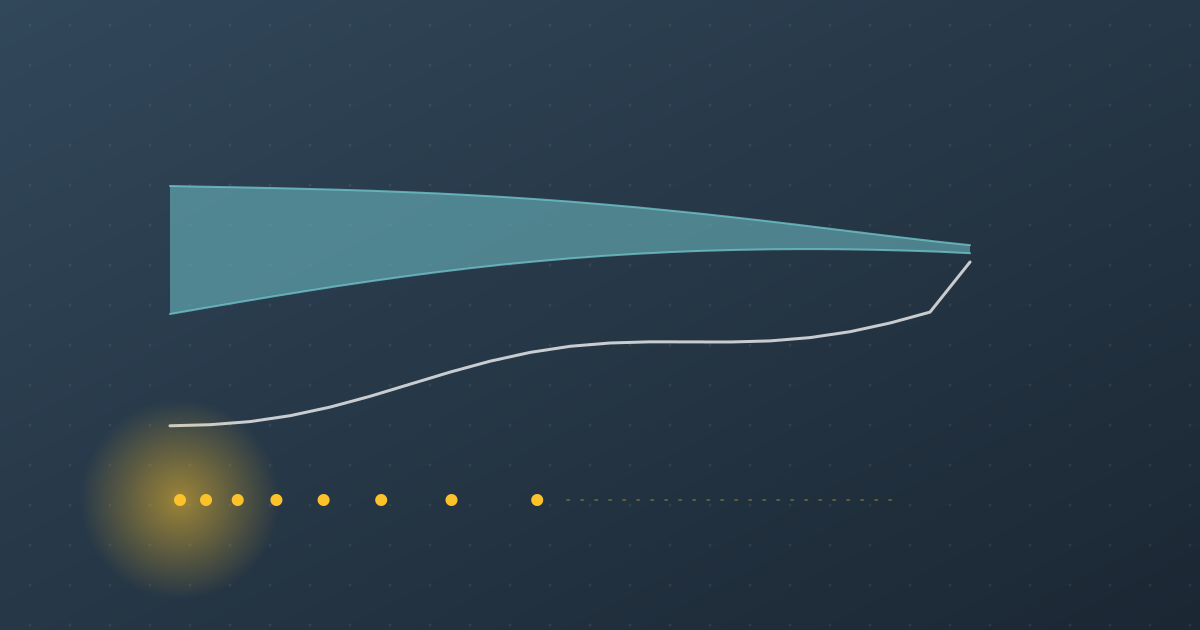
On the left a teal circle as the depot, on the right a line as the front, and between them a track along which golden dots travel; the front advances, the track grows longer, the dots arrive less and less often, and the line fades. Then a mist-blue ring encloses a circle, and golden dots land on it from above at a steady rhythm until the circle shines again and the ring dissolves.
Principle #15
Logistics: What you cannot supply, you cannot sustain; that is why supply sets the limit of every strategy.
4 min read5 sectionsSituationLink to the principle
Contents
If logistics is the limit of every strategy, then superior Logistics can also be a strategy. The Berlin Blockade was an attempt to force the Western powers out of the city without firing a shot: if you cannot supply Berlin, you have to give it up. The Airlift was the answer. It became one of the greatest supply operations in history and a political turning point.
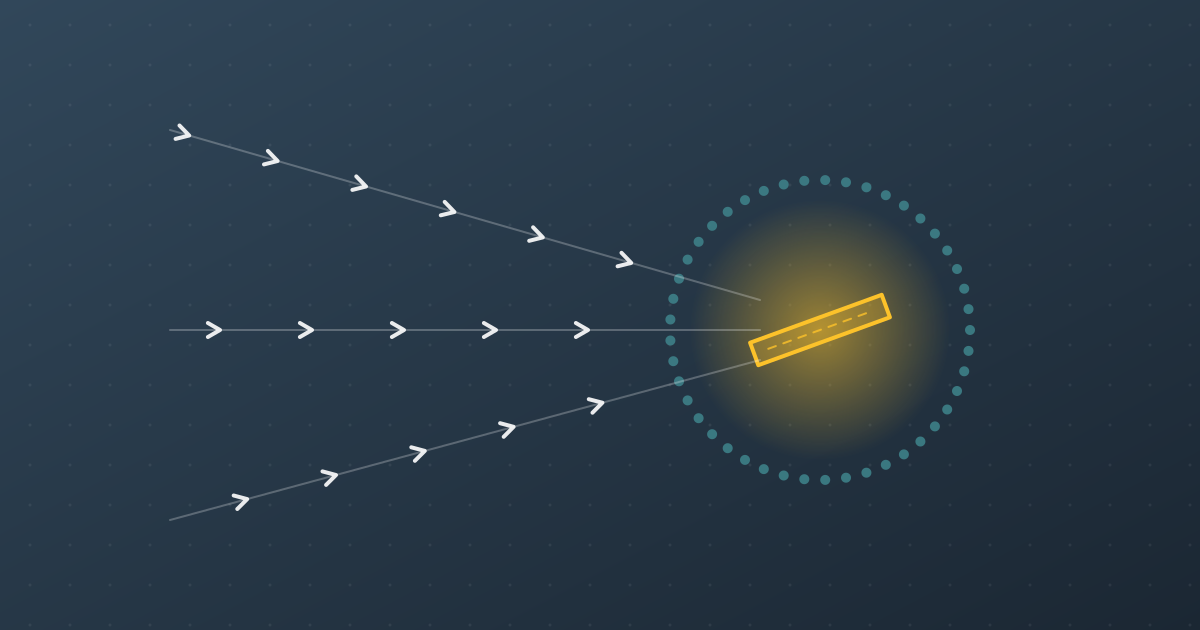
Above a ring of blockade points, aircraft fly at equal intervals in three corridors toward a golden runway – as in the Berlin Airlift.
01
A city is cut off
Situation
On June 24, 1948, the Soviet occupying power blocks all access routes to West Berlin. The western sectors of the city lie in the middle of the Soviet occupation zone. Without supplies from outside, there is a shortage of food, coal, medicine and raw materials.
Link to the principle
The blockade is a logistical attack. It is aimed not at soldiers but at supply routes. Its calculation is the principle itself: what you cannot supply, you cannot hold.
02
The decision for the air
Situation
On the orders of the U.S. military governor Lucius D. Clay, the American Operation Vittles begins on June 26, 1948. The first aircraft take off from Frankfurt and Wiesbaden and land at Tempelhof. On June 28 the British follow with an operation of their own, later joined by crews from Australia, New Zealand, Canada and South Africa. France can provide only a few aircraft.
Link to the principle
When one supply route is blocked, you have to find another that cannot be blocked without the opponent escalating. The air corridors had been agreed by treaty. Shooting down an aircraft would have been an open act of war.
03
A system instead of individual flights
Situation
At the end of July 1948, U.S. general William H. Tunner takes command of the Airlift. In the Second World War he had already directed the supply flights over the Himalayas. On August 13, 1948, air traffic over Berlin spirals out of control in poor visibility, and three aircraft crash at Tempelhof. Afterward Tunner introduces strict rules. Aircraft now land about every three minutes, and turnaround time in Berlin drops from 75 to 30 minutes. In the French sector, Tegel Airport is built in 90 days by up to 19,000 people, about half of them women.
Link to the principle
This shows that logistics is above all organization. It is not the number of aircraft alone that decides but the rhythm, the processes and the bottlenecks on the ground. One more airport was as important as many additional planes.
04
Coal, flour and a record
Situation
About two thirds of the cargo is coal, for heating, electricity and industry. In addition there are food and building materials. At Easter 1949, from April 15 to 16, the Allies fly 12,849 tons into Berlin on 1,398 flights in 24 hours. By the end of the Airlift on September 30, 1949, about 2.1 million tons have been flown in, according to most figures.
Link to the principle
The record at Easter was also a message. It showed the Soviet Union that supply was not only sufficient but could grow. If you have the longer logistical staying power, you make a blockade pointless.
05
The price and the end
Situation
On May 12, 1949, the Soviet Union lifts the blockade. The Airlift continues until September to build up stocks. According to common figures, at least 101 people die in accidents, among them Americans, Britons and Germans. The American pilot Gail Halvorsen drops candy on little parachutes for the waiting children. Berliners call the planes “Rosinenbomber” (raisin bombers).
Link to the principle
The Airlift did more than supply a city. It turned occupiers into protectors. Good logistics can create trust that no speech could have produced.
Key takeaways
Key lessons
01
When one route is blocked, look for one the other side cannot block without escalating itself.
02
Logistics is rhythm and organization, not just quantity.
03
Watch for the bottlenecks on the ground, not just the means of transport.
04
Show that your supply can grow, and a besieger will lose patience.
05
Reliable supply creates trust among those you supply.
Summary
When the Soviet Union sealed off West Berlin in June 1948, the Americans, the British and other allies supplied the city by airlift. Under William H. Tunner it became a tightly timed system with landings every three minutes, a new airport at Tegel and a record of more than 12,800 tons in a single day. In May 1949 the Soviet Union lifted the blockade. The example shows logistics not as a limit but as a strategy: if you secure your supply, you render your opponent’s pressure ineffective.