In 2005, MySpace is the largest social network in the world and is sold for $580 million. In 2008, Facebook overtakes it worldwide, and in 2011, MySpace changes hands for about $35 million. The story shows that network effects bring strength but do not guarantee protection.
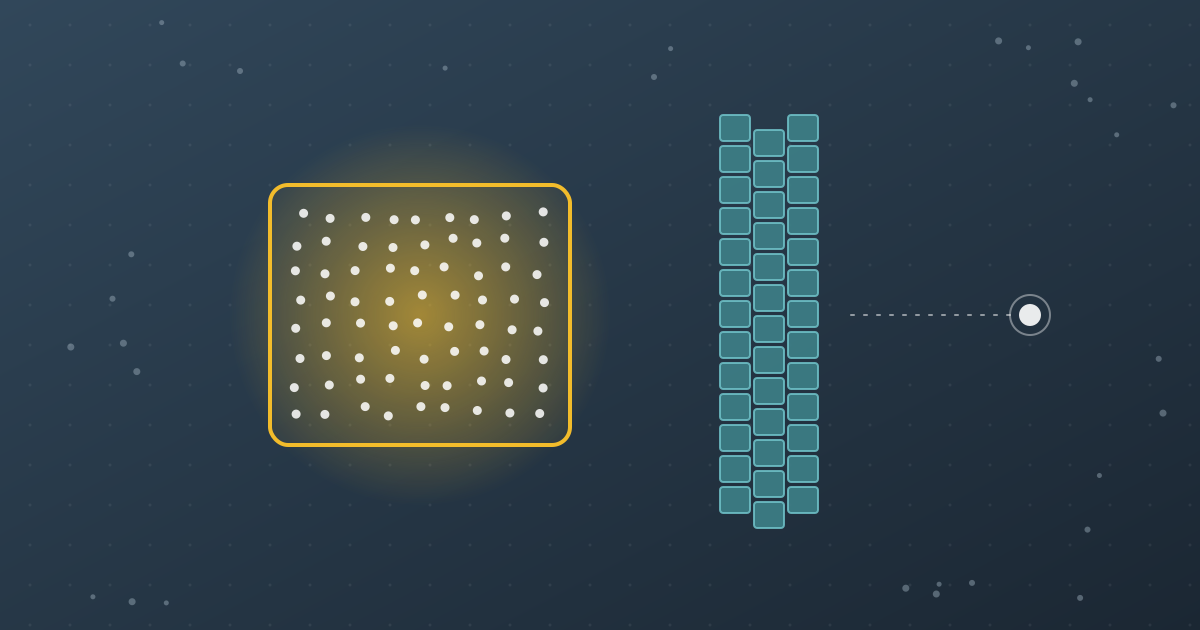
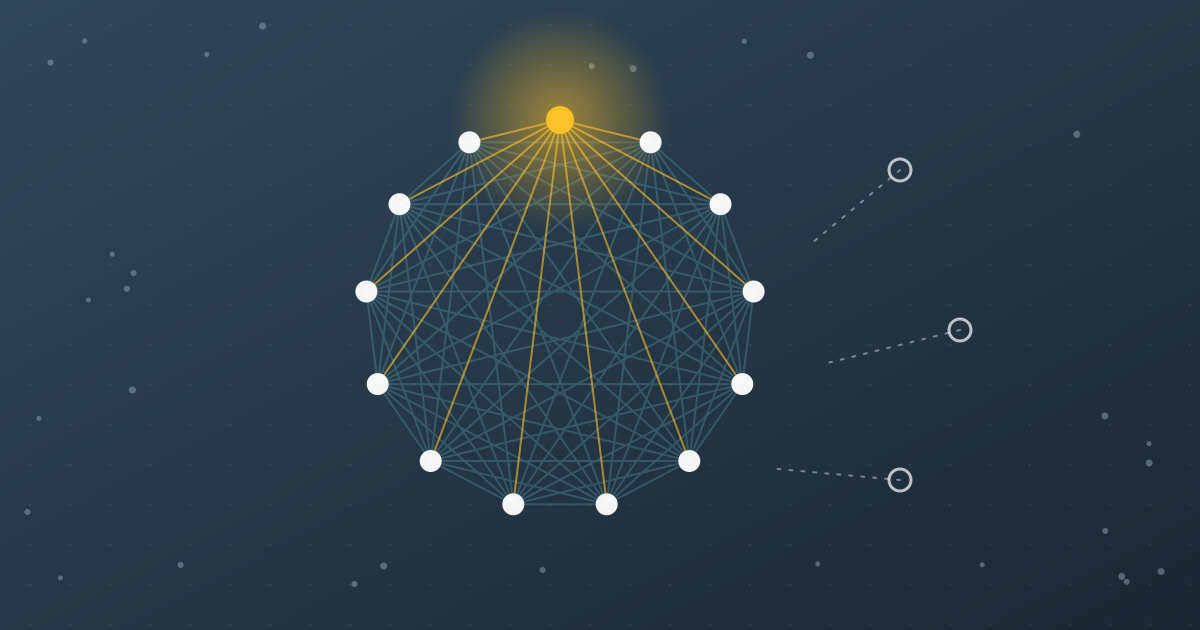
A single dot, then a second, connected by a line; with every new dot many lines are added, a gold arc rises more and more steeply, and a smaller mist-blue network empties toward the large one. A frame of teal lines encloses the large network, then a gap opens in it, and groups of connected dots move into a new network.
Principle #77
Network Effects: An offering that becomes more valuable with every user attracts more users, and the more it costs to switch, the more firmly they stay; but the same force can also empty a network in the opposite direction.
3 min read5 sectionsSituationLink to the principle
Contents
A social network is the textbook example of a direct network effect. It is more valuable the more people you know are on it. This leads to a widespread assumption: whoever gets big first stays ahead. The race between MySpace and Facebook shows that this is only half the truth about Network Effects.
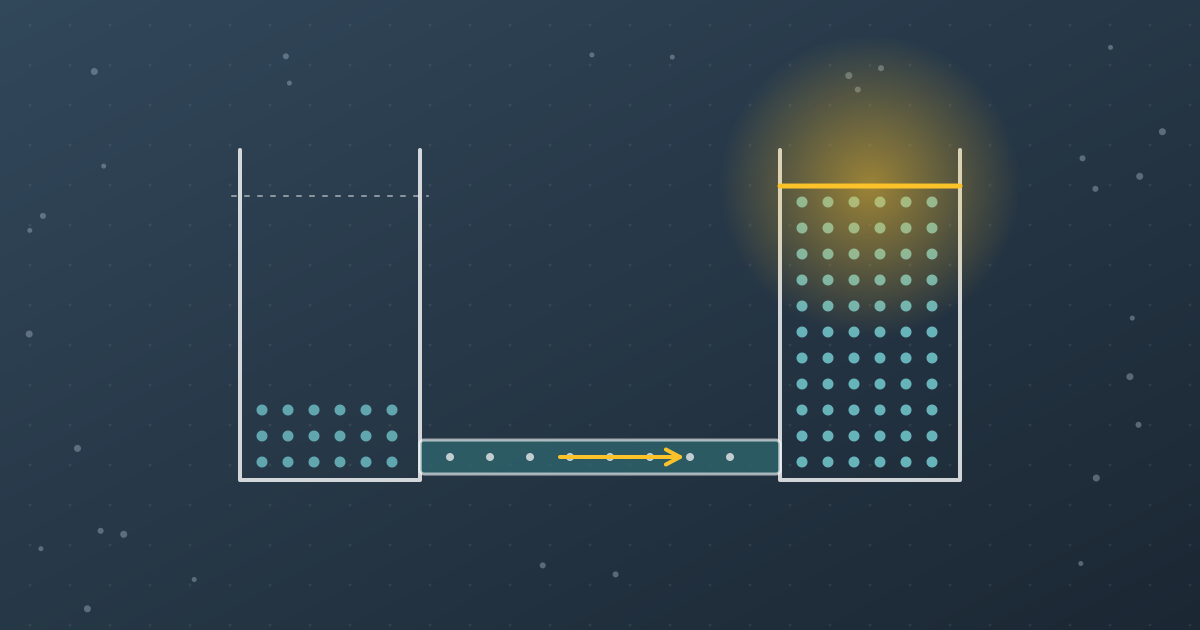
Two connected vessels: on the left, the level sinks below the old mark; on the right, it rises to the gold rim – as with Facebook and MySpace.
01
The early giant
Situation
MySpace launches on August 1, 2003. Its founders include Chris DeWolfe and Tom Anderson. The site focuses on music, entertainment and freely customizable profile pages. In July 2005, the media group News Corporation buys MySpace for $580 million. Starting in 2005, it is the largest social network in the world for several years. In the spring of 2008, it has about 115 million visitors a month worldwide.
Link to the principle
MySpace has everything network effects promise: early size, fast growth, a powerful owner. According to the simple theory, its lead should reinforce itself.
02
A network of real friends
Situation
Facebook is founded in February 2004 at Harvard University. Its founders include Mark Zuckerberg. At first, the network is open only to students, then it opens up one college after another. Not until September 2006 can anyone sign up. The profiles are plainer than on MySpace and tied to real names.
Link to the principle
Facebook builds its network effects differently. It does not grow as one large, loose network but as many small, dense networks of people who actually know each other. For the individual, what counts is not how many users there are in total but whether their friends are there.
03
The 2008 turning point
Situation
In June 2008, the market research company comScore reports for the first time that Facebook had more visitors than MySpace in the previous month: about 124 million unique visitors worldwide versus about 115 million. The lead comes from outside the United States. At that point, MySpace still has considerably more visitors in the United States. In the spring of 2009, Facebook overtakes MySpace there as well.
Link to the principle
Network effects work in both directions. When users move to where their friends are, the old place loses value with every departure. The departures then accelerate just as growth accelerated before. Experts call this market tipping.
04
Why the lock-in didn’t hold
Situation
Under News Corporation, MySpace relies heavily on advertising revenue, including a $900 million, three-year advertising deal with Google. Observers name several reasons for its decline: the pages become more cluttered and slower, spam and malware damage its reputation, and many young users migrate to Facebook. In June 2011, News Corporation sells MySpace for about $35 million to Specific Media and the singer Justin Timberlake.
Link to the principle
Lock-in comes from switching costs. At MySpace, they were low: a new profile is quickly set up, and photos and contacts can be rebuilt. If your friends are already somewhere else anyway, switching costs almost nothing. If you then treat your users badly, you lose them quickly.
05
What Facebook made of it
Situation
Facebook then systematically strengthens its hold on users: photo archives, groups, events, logging in to other services with a Facebook account.
Link to the principle
This is the second half of the principle. Network effects attract users; switching costs hold them. The more of a person’s life is stored in a service, the more expensive it becomes to leave.
Key takeaways
Key lessons
01
Don’t ask how big a network is; ask how dense it is.
02
Network effects also accelerate decline.
03
Check what your people would really lose if they left.
04
Early size is no substitute for a good experience for the individual.
05
Never treat your network as a secure possession.
Summary
In 2005, MySpace was the largest social network in the world and was sold for $580 million. Facebook grew more slowly, but in dense networks of real friends. According to comScore figures, it overtook MySpace worldwide in 2008 and in the United States in 2009. Because switching costs were low, the market tipped quickly, and MySpace was sold in 2011 for about $35 million. Network effects bring strength, but only switching costs and a good experience make it last.