Contents
The Balance of Power describes how others react when one party threatens to become too powerful. Usually, such a countermovement takes years. In European soccer, it happened in two days. The story shows how strong an opposing coalition can be when very different players suddenly fear the same thing.

The announcement
Situation
Late in the evening of April 18, 2021, 12 clubs make their plans public: from England, Arsenal, Chelsea, Liverpool, Manchester City, Manchester United and Tottenham Hotspur; from Spain, Real Madrid, FC Barcelona and Atlético Madrid; from Italy, Juventus, Inter Milan and AC Milan. They want to found a league of their own in which the founders play permanently, without having to qualify. The chairman is Florentino Pérez, the president of Real Madrid. The U.S. bank JPMorgan Chase is to finance the project.
Link to the principle
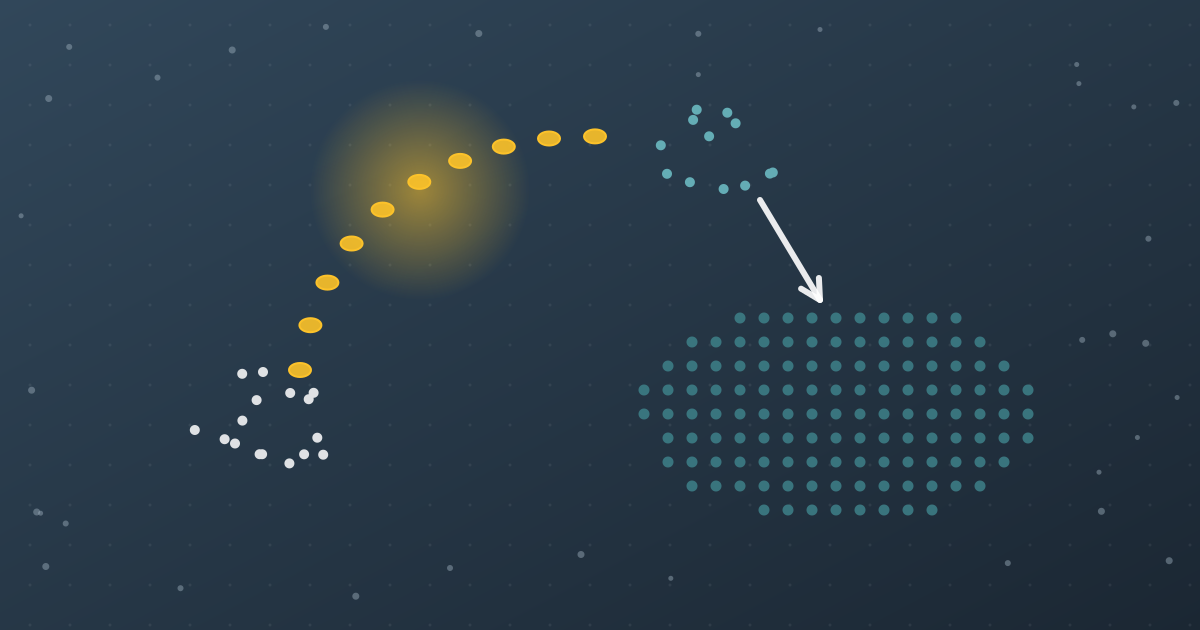
A small group wants to break away from the rest and set its own revenues and rules. For everyone else, this means: the strongest would become even stronger and could never be caught. It is exactly this prospect that triggers the countermovement.
A coalition that didn’t exist before
Situation
The reaction comes from all sides. UEFA, the governing body of European soccer, national associations and leagues protest. They warn that players from the clubs involved could be barred from their national teams. FIFA President Gianni Infantino tells the clubs that they are either fully in or out. Politicians, including British Prime Minister Boris Johnson, announce their opposition. Players and coaches at the clubs involved speak out critically. Fans protest outside Chelsea’s stadium, Stamford Bridge.
Link to the principle
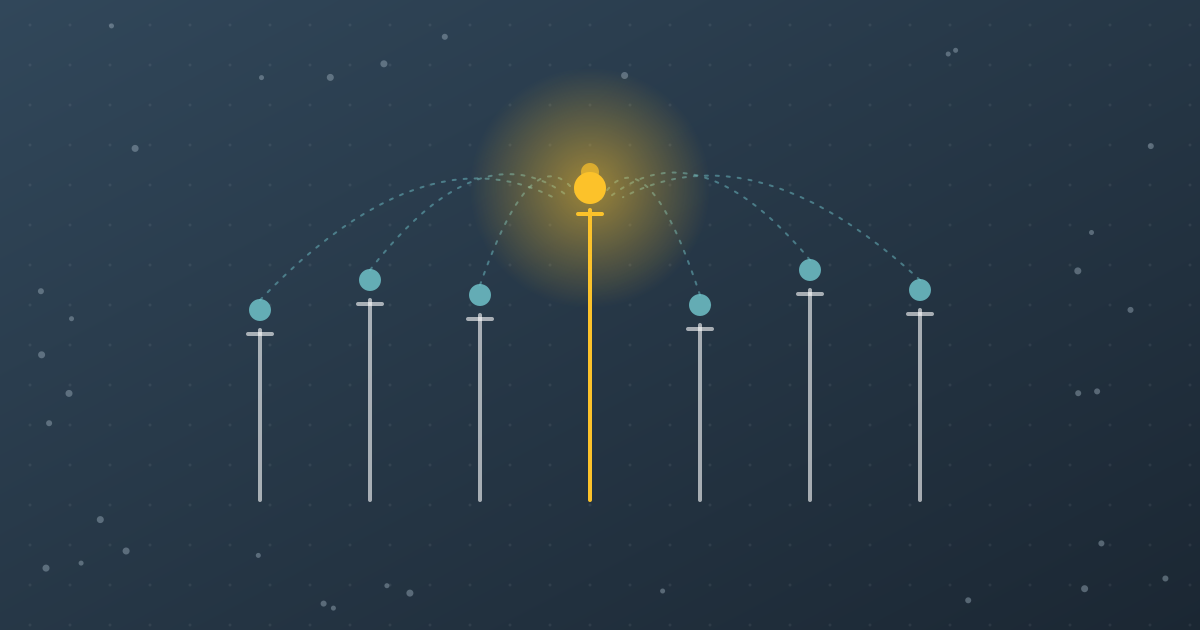
Opposing coalitions unite players who otherwise have little in common. UEFA and fans usually argue about prices and schedules, and governments mostly stay out of soccer. But the threatened preponderance of a few clubs creates a shared interest.
Who stays out
Situation
Who is missing matters too. Major clubs from Germany and France, including FC Bayern Munich, Borussia Dortmund and Paris Saint-Germain, do not join the Super League. The planned league thus remains a project of three countries.
Link to the principle
If you want to build up a preponderance of power, you need the neutral parties. If they stay out, the venture looks not like the new order but like going it alone. The neutral parties lend the opposing coalition weight without having to raise their own voices.
The collapse
Situation
On the evening of April 20, Manchester City becomes the first club to announce its withdrawal. That same night, Chelsea, Manchester United, Arsenal, Tottenham and Liverpool follow. Arsenal publicly apologizes for a mistake. Shortly after midnight, the Super League declares that it will reconsider the project. On April 21, Atlético Madrid, Inter Milan and AC Milan also withdraw, and Liverpool’s owner, John W. Henry, apologizes in a video message. Real Madrid, Barcelona and Juventus formally hold on, but there is no longer a league.
Link to the principle
A coalition of the stronger falls apart when the costs for each individual member become higher than the hoped-for gain. The English clubs are under the greatest pressure from their fans and their government. They leave first, and with that the whole project collapses.
What remains
Situation
The tensions between the richest clubs and the rest of soccer remain. The question of how much power individual clubs and associations may have later occupies the courts as well. In December 2023, the Court of Justice of the European Union rules that the FIFA and UEFA rules then in force on approving new competitions violate EU law.
Link to the principle
The balance of power does not end the pursuit of power. It only forces those who seek power to try another way. Whoever has once triggered an opposing coalition will proceed more cautiously the next time.
Key takeaways
Key lessons
- If you set yourself apart too clearly, you create an opposing coalition.
- Be prepared for even former opponents to join forces against you.
- Pay attention to the neutral parties: without them, your venture looks like going it alone.
- Check which of your partners is under the greatest pressure. That is where an alliance breaks first.
- A quick withdrawal can be wise, and so can a public apology.
Summary
In 2021, 12 top clubs wanted to secure their preponderance permanently with a Super League of their own. Within about 48 hours, fans, associations, leagues, players and governments stood against them, and major clubs from Germany and France stayed out. The English clubs pulled out first, and after that the project collapsed. That is how fast the Balance of Power can work.
Sources
- Hans J. Morgenthau: Politics Among Nations: The Struggle for Power and Peace. New York: Alfred A. Knopf 1948.