Uber in China and the Principle of Annihilation and Exhaustion
Uber launches in China in 2014 and fights a price war with the domestic provider Didi in which both sides spend billions on discounts. After losses of more than a billion dollars a year, Uber gives up and sells its China business to Didi in August 2016.
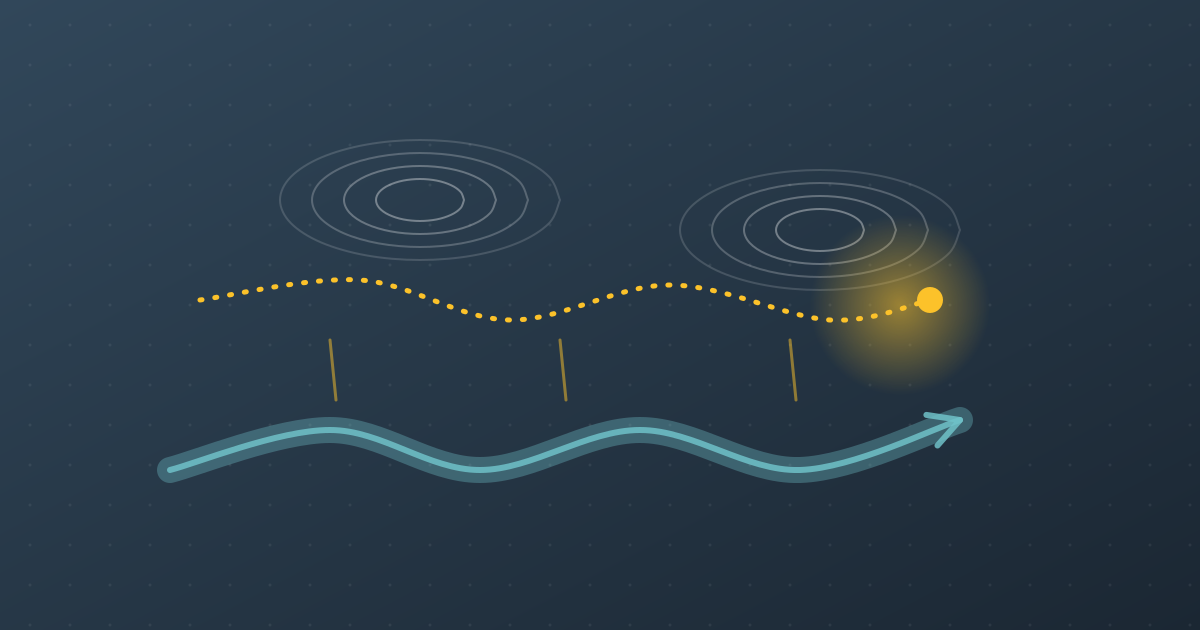
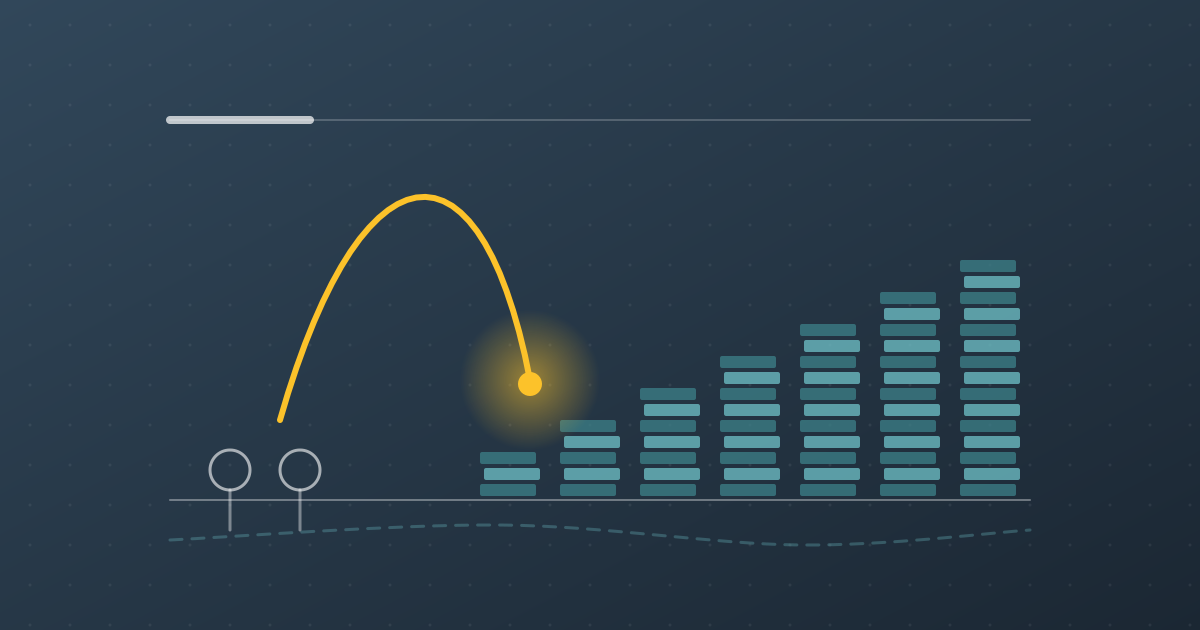
Two circles face each other, each with a reserve bar of stacked dots; at first a golden arc strikes once, and the other circle topples. Rewind: the arc strikes thin air, fine lines tap the striker’s bar, and it sinks dot by dot while a clock made of dots runs, until both bars stand side by side.
Principle #44
Annihilation and Exhaustion: Decide deliberately whether to bet on a quick, decisive blow or to wear your opponent down over a long time, and align your means, patience and expectations accordingly.
4 min read5 sectionsSituationLink to the principle
Contents
Many companies believe they are waging a quick campaign of conquest and realize too late that they are stuck in a war of attrition. Then it is no longer the better product that decides but who can hold out longer. Uber’s years in China show how expensive it gets if you do not answer this question at the outset – an example of the Principle of Annihilation and Exhaustion.
Two reservoirs drain into the same price war, and from the almost empty one a golden arc leads across to the full one – like Uber in China.
01
Entering the biggest market
Situation
In 2014, Uber launches in China, a ride-hailing market that is growing at breakneck speed. The two largest Chinese providers, Didi Dache and Kuaidi Dache, merge in 2015, partly to hold their own against Uber. In the end, Uber is active in more than 60 Chinese cities. At the end of 2015, Uber claims 30% to 35% of the market, while Didi claims more than 80% for itself.
Link to the principle
Uber enters the market with the mindset of annihilation: grow fast, conquer market share, drive out the opponent. That had worked in other countries. The question of whether this opponent can be beaten quickly at all is asked too late.
02
A war of discounts
Situation
Both providers subsidize rides and drivers. Passengers pay less, drivers receive bonuses, and both sides spend billions on this. In February 2016, Uber CEO Travis Kalanick admits that Uber is losing more than a billion dollars a year in China.
Link to the principle
The quick campaign has turned into a war of exhaustion, without anyone calling it that. In this form, whoever has the deeper pockets and the greater staying power wins. The fight is no longer decided by customers but by capital.
03
Who has the greater staying power?
Situation
Didi has major domestic backers such as Tencent and Alibaba, and in May 2016 it receives a billion dollars from Apple. In 2016, Didi claims a market share of 87% for itself. Uber, by contrast, is fighting on many fronts worldwide. By its own account, it is profitable in the United States, in Canada and in around 100 other cities, but at the same time it is financing the fight in China and new fields such as self-driving cars.
Link to the principle
Exhaustion is a calculation of resources, endurance and focus. If you fight on several fronts, you tire faster than an opponent that directs its entire strength at one market. Didi waged the fight on home ground and with its full strength.
04
The orderly retreat
Situation
On August 1, 2016, it is announced that Didi Chuxing is taking over Uber’s China business. Reports speak of a deal worth $35 billion. In return, Uber receives a stake in the combined company, an economic interest of just under a fifth (17.7%). Kalanick writes, in essence, that the only way to serve China’s cities in the long run is to be profitable. Uber intends to invest the freed-up funds in autonomous driving, among other things.
Link to the principle
If you realize that you are losing a war of exhaustion, you should end it while it still yields something. Uber traded a loss-making market position for a stake in the winner. That is a defeat, but one with something to show for it. Many who hold out too long come away empty-handed.
05
Who pays in the end
Situation
Right after the sale, observers such as the magazine Quartz call it bad news for passengers and drivers in China. The combined company now has a near-monopoly there.
Link to the principle
Wars of exhaustion do not only use up the strength of the two opponents. They change the whole field. At the end there is often a winner who wants to recoup the costs. If you start a fight like this, you should know beforehand whether you can sustain it and how you will end it.
Key takeaways
Key lessons
01
Before entering, ask whether you can win quickly or will end up in a war of attrition.
02
Compare not only products but also capital, endurance and home advantage.
03
Don’t wage a war of exhaustion on your opponent’s home ground if you are tied up on other fronts.
04
Decide when you will get out before you start.
05
A retreat with something to show for it is better than a victory you cannot afford.
Summary
Uber went to China in 2014 to conquer a market quickly and found itself in a war of exhaustion. Didi had home advantage and strong backers and was fighting only on this front. After about two years and losses of more than a billion dollars a year, Uber sold and walked away with a stake. The example shows: the form of the fight determines who wins, and if you do not choose it deliberately, you fight by the other side’s rules.