When the air strikes on Baghdad begin in January 1991, only CNN can report live from the city. That was not pure luck: the network had been preparing for months and was ready when the moment came.
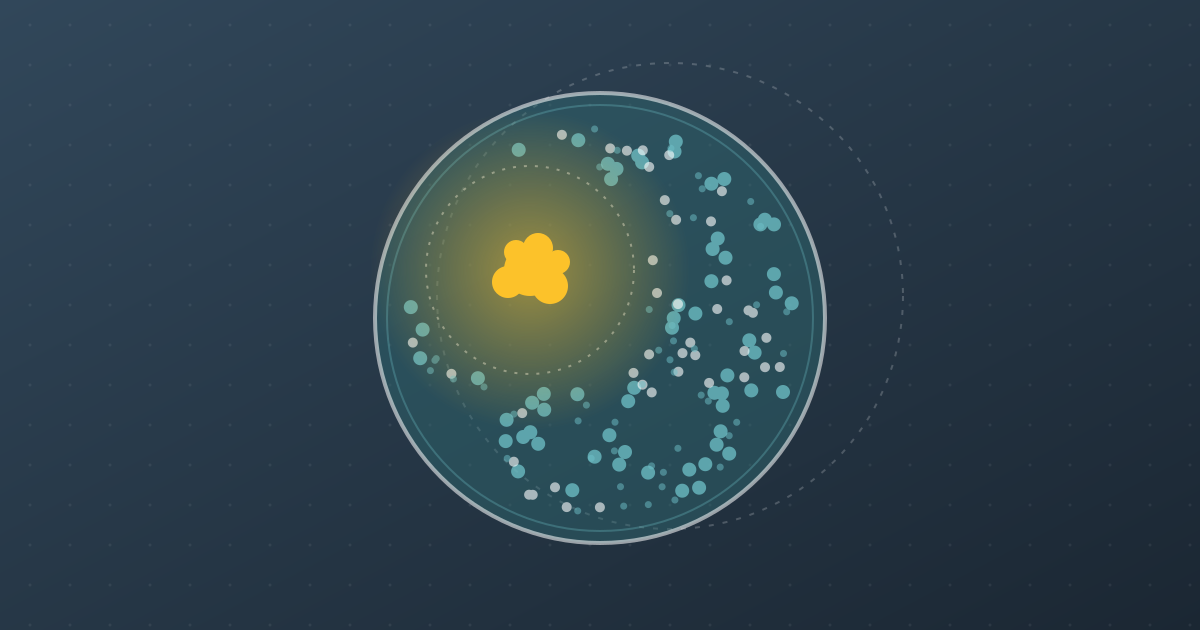
A teal line flows calmly; beside it, golden dots build a dam of arches and a narrow side channel. The line swells, sweeps away unprotected mist-blue dots, is diverted into the channel at the dam and makes a golden circle light up there; at the end, a small arc drifts past, and a golden dot on the bank links up with it at just the right moment.
Principle #48
Fortuna and Virtù: You cannot control chance, but you can be prepared and agile enough to recognize it and seize it when it comes.
3 min read5 sectionsSituationLink to the principle
Contents
Machiavelli compares fortuna to a raging river. When it overflows its banks, it sweeps everything away, and nobody can stop it. But in calm times, he writes, people can build dams and dikes, so that the water is channeled into a canal at the next flood. For the television networks, the Gulf War of 1991 was such a flood – and a test of Fortuna and Virtù. Only one network had built in advance.
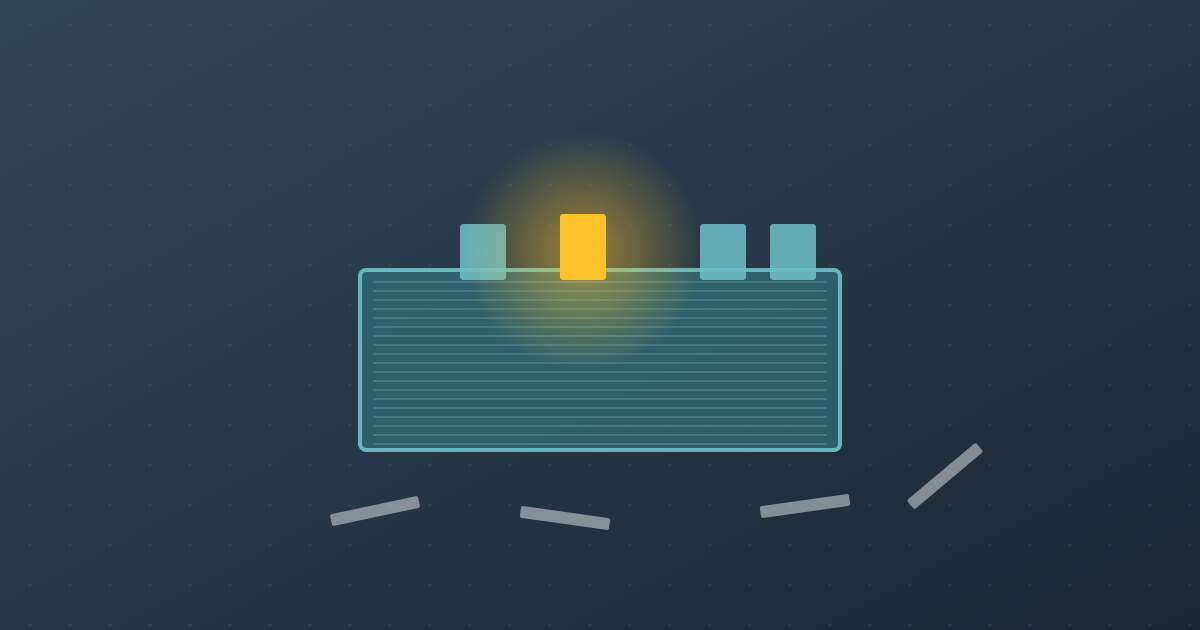
Above a city at night, all the lines break off; only from the highest roof does a golden line reach far out – as with CNN in Baghdad in 1991.
01
A young network
Situation
CNN was founded on June 1, 1980, by Ted Turner and Reese Schonfeld. It was the first channel to broadcast news around the clock. After 10 years, CNN had seasoned reporters, satellite links and a production team that could go live at any time.
Link to the principle
Virtù begins long before the opportunity. CNN had built its capabilities for an event whose timing no one could know. These are Machiavelli’s dams, built in calm times.
02
Months in Baghdad
Situation
After the Iraqi invasion of Kuwait in August 1990, CNN sends the producer Robert Wiener to Baghdad. He stays for about six months, sets up an office in the Al-Rashid Hotel and, despite many obstacles, builds relationships with the Iraqi authorities. This groundwork will later be decisive: during the war, the team can report live by telephone, even without television pictures.
Link to the principle
No one could know whether and when the war would begin. But CNN could make sure it would be on the spot and connected when it did. Preparation turns chance into opportunity.
03
The night of January 17
Situation
On the night of January 17, 1991, the coalition’s air strikes on Baghdad begin. The correspondents Bernard Shaw, Peter Arnett and John Holliman report from their hotel room while bombs fall outside and anti-aircraft fire lights up the sky. At times, they take cover under beds and tables. CNN reports the start of the war 27 minutes before the U.S. military’s official announcement. In the first hours, the competing networks carry CNN reports with the CNN logo. Even General Colin Powell admits that the Pentagon, too, is watching CNN.
Link to the principle
This is where fortuna and virtù meet. The war beginning on precisely this night, while the team was sitting in the hotel, was fortuna. Being able to broadcast when others could not was virtù.
04
Staying when others leave
Situation
Before the attack, the U.S. government had warned that journalists in Baghdad were in danger. Many left. The CNN team stayed. After about 16 hours, Iraq cut off the live broadcasts. When most Western correspondents were expelled, Peter Arnett, Robert Wiener and the technician Nic Robertson remained in the country. Two weeks after the war began, Arnett conducted a television interview with Saddam Hussein. His reports, made under Iraqi supervision, were sharply criticized in the United States.
Link to the principle
Machiavelli praises the resolve that takes a risk. At the same time, the criticism of Arnett shows that virtù has its price. If you stay in a situation like this, you work under conditions you do not control.
05
What remained
Situation
During the Gulf War, CNN overtook the three major U.S. television networks for the first time. At the Pentagon, the term “CNN effect” was coined for the influence of worldwide live news on politics. The network had gone from a niche position to the first place to turn to for crisis news.
Link to the principle
Fortuna gave CNN a moment. Virtù turned it into a lasting position.
Key takeaways
Key lessons
01
Build your dams in calm times.
02
Be where something could be decided before it is decided.
03
Preparation turns chance into opportunity.
04
Stay when others leave, but know the price.
05
Turn a lucky moment into a lasting position.
Summary
When the air strikes on Baghdad began in January 1991, only CNN could report live from the city. For 10 years, the network had built capabilities for an emergency, and Robert Wiener had spent months laying the groundwork in Baghdad. The team stayed when others left. Fortuna brought the war on this night; virtù made sure CNN was ready. That is exactly what Machiavelli means by the dams you build before the river rises.
Sources
Niccolò Machiavelli: Il Principe. Rome: Antonio Blado 1532, Chapter 25.
EBSCO Research Starters: CNN Coverage of the Gulf War
Wikipedia: Media coverage of the Gulf War
Wikipedia: Peter Arnett
Robert Wiener: Live from Baghdad. New York: Doubleday 1992.
Back to the basics
Read what lies behind Fortuna and Virtù: with explanation, animation, video and research.