Contents
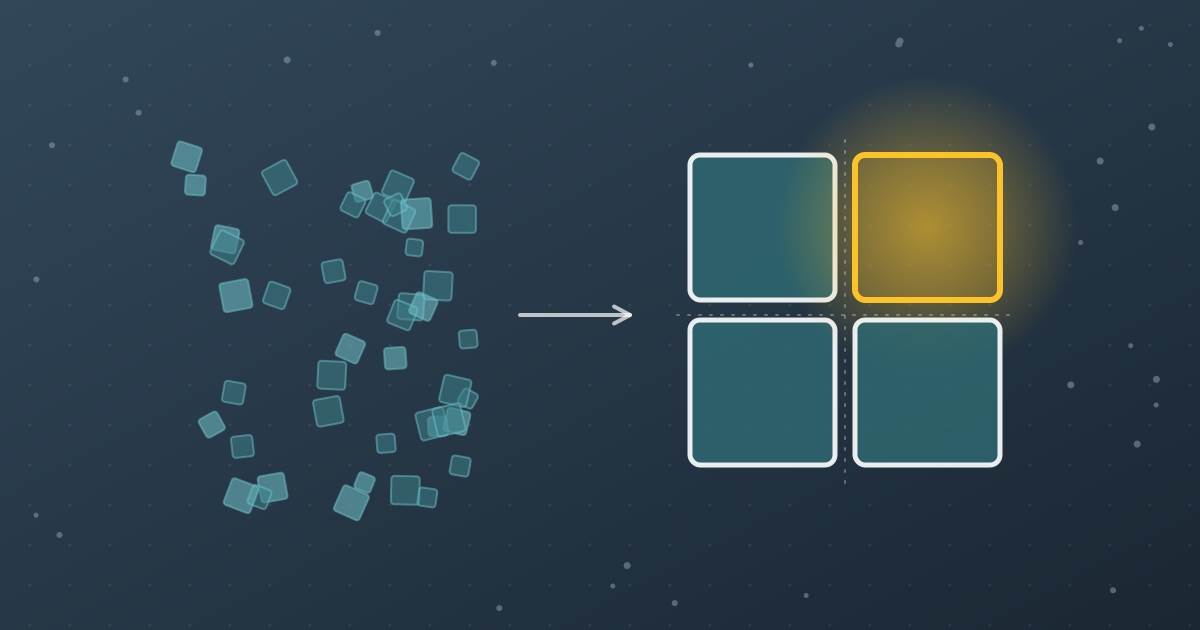
In his book on good and bad strategy, Richard P. Rumelt takes up the Gulf War as an example of the Kernel of Good Strategy. Not because of the weapons, but because of the logic behind them: the coalition had a clear idea of where the enemy was vulnerable and aligned all its means accordingly.
The starting position
Situation
In August 1990, Iraq occupies Kuwait. A U.S.-led coalition assembles a massive force in Saudi Arabia. Iraq has hundreds of thousands of soldiers in Kuwait and in the south of the country, dug in behind minefields, trenches and barriers along the border.
Link to the principle
The obvious answer would be mass against mass. But a frontal attack on prepared positions would have meant heavy losses. What was called for was an answer to the situation, not just a goal such as “liberate Kuwait.”
The diagnosis: a defense facing south
Situation
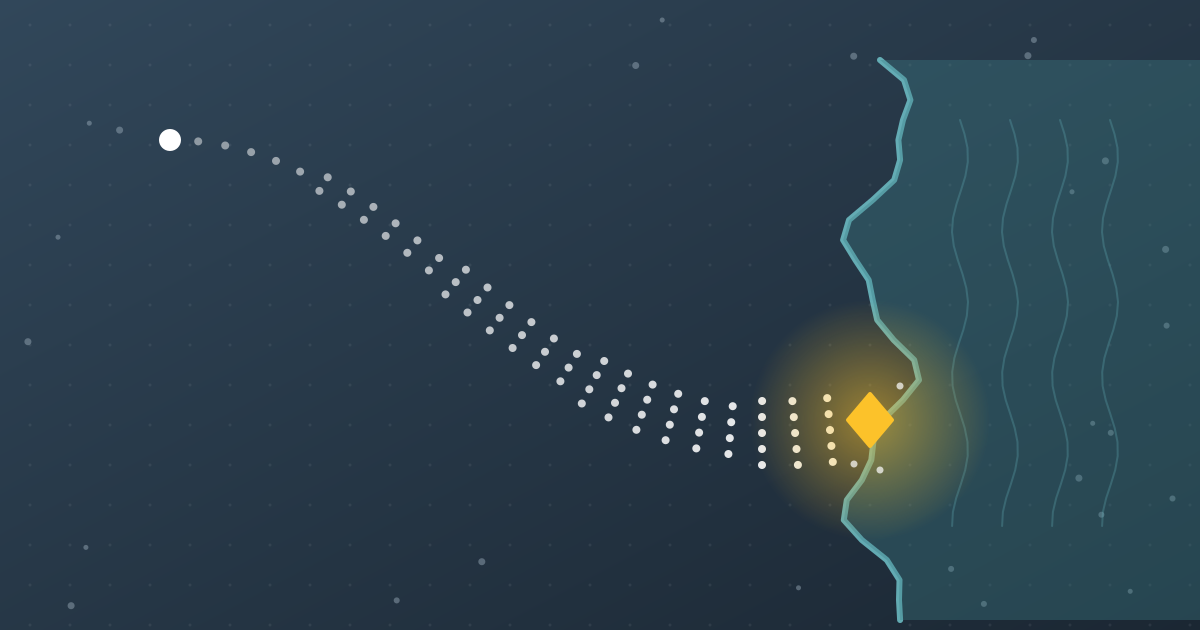
The Iraqi positions are oriented toward an attack from the south out of Saudi Arabia and a landing from the sea. The desert to the west is only weakly defended. After weeks of air strikes beginning on January 17, 1991, Iraq can barely see what is happening on the other side.
Link to the principle
The diagnosis names the weakness precisely: the enemy is strong where it expects the attack and blind to what is happening in the west. The guiding policy follows almost automatically.
The guiding policy: pin down and go around
Situation
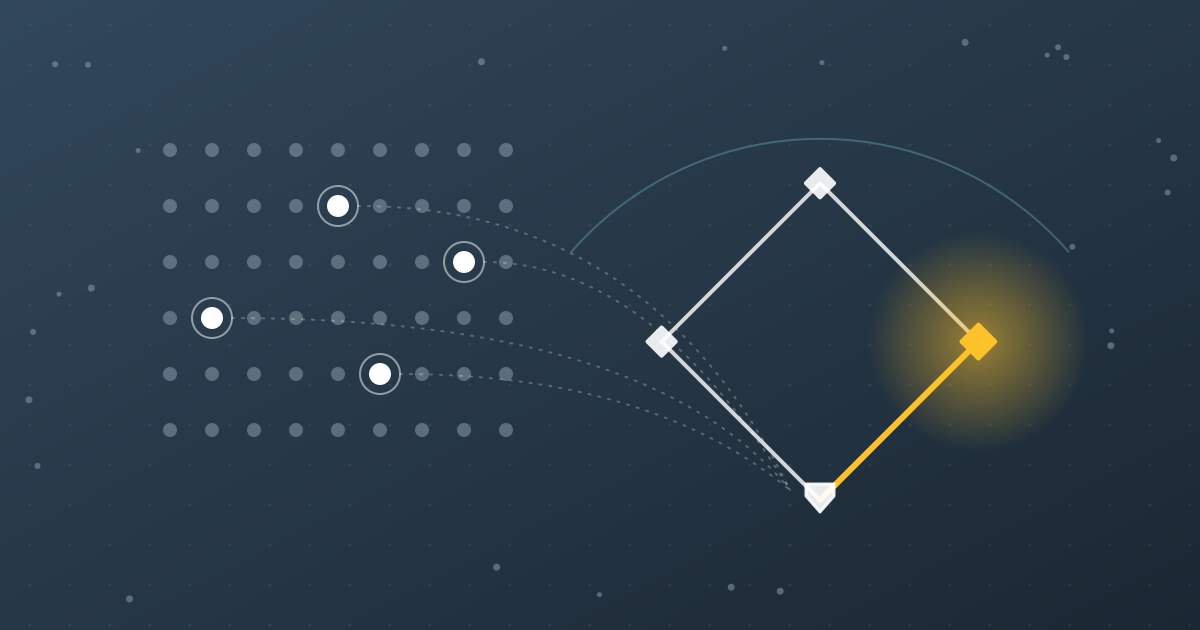
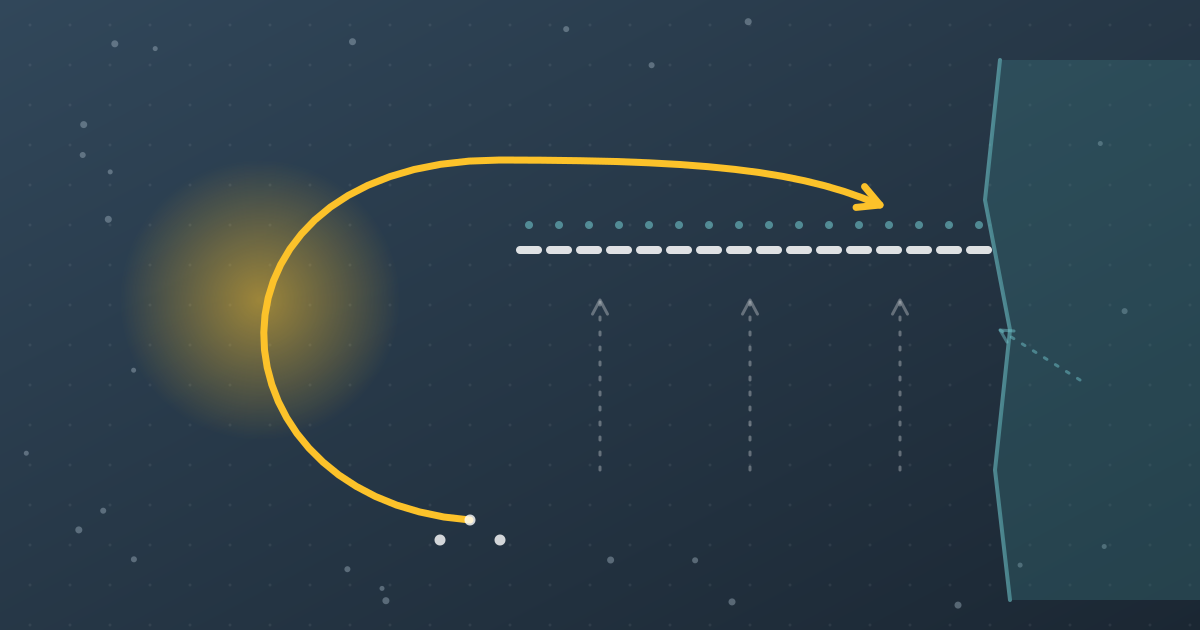
General Norman Schwarzkopf has the Marines advance head-on against the Kuwaiti border and threaten a landing from the sea. At the same time, he moves large armored formations far to the west without being detected. They are to push through the desert in a wide arc, take the Iraqi forces from behind and cut off their retreat.
Link to the principle
The guiding policy defines what the front is to do (pin down) and what the hook in the west is to do (decide). Every part of the force has a role that follows from the same guiding policy.
One hundred hours
Situation
On February 24, 1991, the ground war begins. The attacks at the front pin down the Iraqi forces, while the advance in the west moves forward almost unhindered. After about 100 hours, on February 28, the United States announces a ceasefire.
Link to the principle
The actions interlock: the air war blinds the enemy, the front pins it down, the hook decides. No single action would have been enough on its own.
The limits of success
Situation
The campaign liberates Kuwait, but the regime in Baghdad stays in power and soon afterward crushes uprisings in its own country. By most estimates, the war costs tens of thousands of lives, the vast majority on the Iraqi side.
Link to the principle
A good strategy solves the problem it set out to solve. Whether the end state afterward is better is a separate question (see Principle 3, Better End State).
Key takeaways
Key lessons
- Ask where the other side is strong because it expects you there.
- Look for the spot it is not watching.
- Give every part of your team a role that follows from the same guiding policy.
- Combine actions that reinforce one another.
- Distinguish between the problem solved and the state that follows.
Summary
Desert Storm shows the Kernel of Good Strategy in military form: the diagnosis of a defense facing south, the guiding policy of pinning the enemy down at the front and going around it in the west, and interlocking actions from the air war to the advance through the desert. Richard P. Rumelt uses the example because the logic also applies outside the military.
Sources
- Richard P. Rumelt: Good Strategy/Bad Strategy: The Difference and Why It Matters. New York: Crown Business 2011.