Contents
In “The Art of War,” Sun Tzu writes that long campaigns exhaust every state and that no country has ever benefited from prolonged warfare. For him, speed is not an end in itself. It is the means of seizing an opportunity while it lasts. German reunification in 1990 was not a war. But it was a process in which time itself became the scarcest resource.
A plan for years, overtaken within weeks
Situation
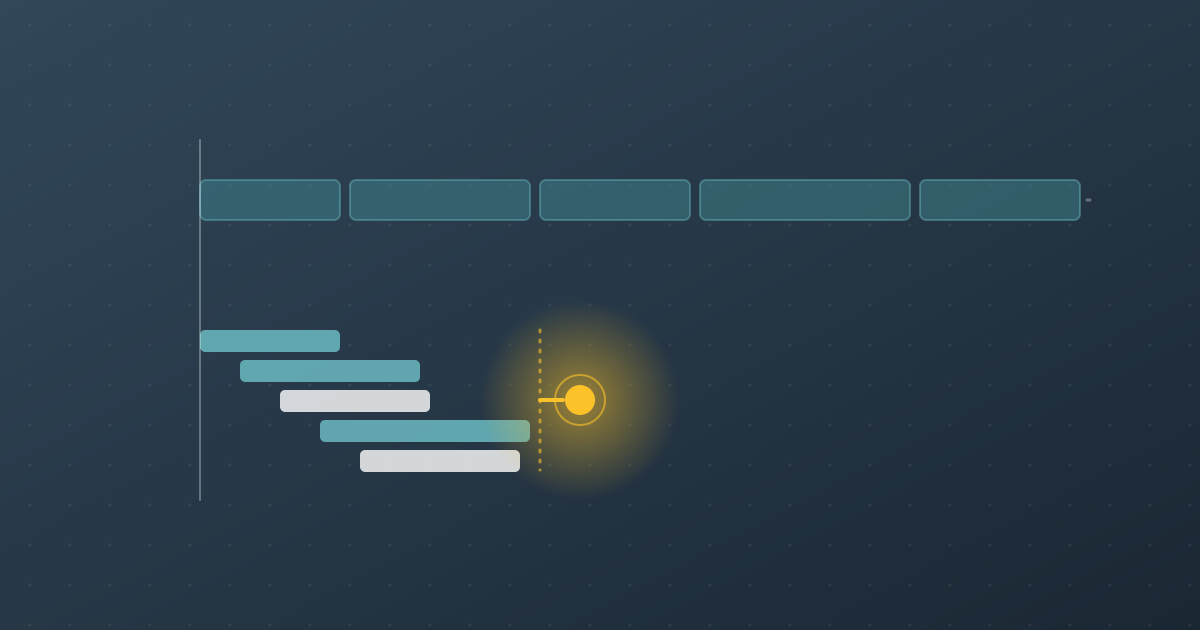
On November 9, 1989, the Berlin Wall opens. On November 28, Chancellor Helmut Kohl presents his Ten-Point Program to the Bundestag, the West German parliament. It provides for treaty ties and confederative structures between the two German states, in other words a gradual path in several stages. Within a few weeks, this plan is considered outdated.
Link to the principle
The plan was sensible, but too slow for the situation. Events set the pace. If you cling to your own timetable in a situation like this, you get overtaken. Kohl gave up his step-by-step plan and adapted to the pace of the situation.
Pressure from below
Situation
In January 1990, between 2,000 and 3,000 people leave East Germany every day. Businesses lose skilled workers, and supplies come under strain. In Leipzig, demonstrators chant that they will stay if the Deutsche Mark comes to them. On February 7, 1990, the West German government offers East Germany an economic and monetary union. On March 18, East Germany elects its parliament, the Volkskammer, in free elections for the first time; turnout is 93.4%. On July 1, 1990, the monetary, economic and social union takes effect. The Deutsche Mark is now the currency in both states.
Link to the principle
A slow path would not have stopped the flight of people from East Germany. Every week of hesitation cost East Germany people and economic strength. Here Sun Tzu’s idea holds true in peacetime: a long, drawn-out process exhausts everyone involved, including those who prolong it out of caution.
The window in Moscow
Situation
Unity requires the consent of the four victorious powers of the Second World War, above all the Soviet Union. Its leader, Mikhail Gorbachev, is under pressure. The economy is stalling, and independence movements are growing in the Baltic states. Kohl sees Gorbachev’s possible fall as a danger to unity. On July 15 and 16, 1990, he meets him in Moscow and in Gorbachev’s home region in the Caucasus. The result: united Germany may remain in NATO, its armed forces are capped at 370,000 troops, and the Soviet troops will withdraw by 1994. On September 12, 1990, the Two Plus Four Treaty is signed in Moscow.
Link to the principle
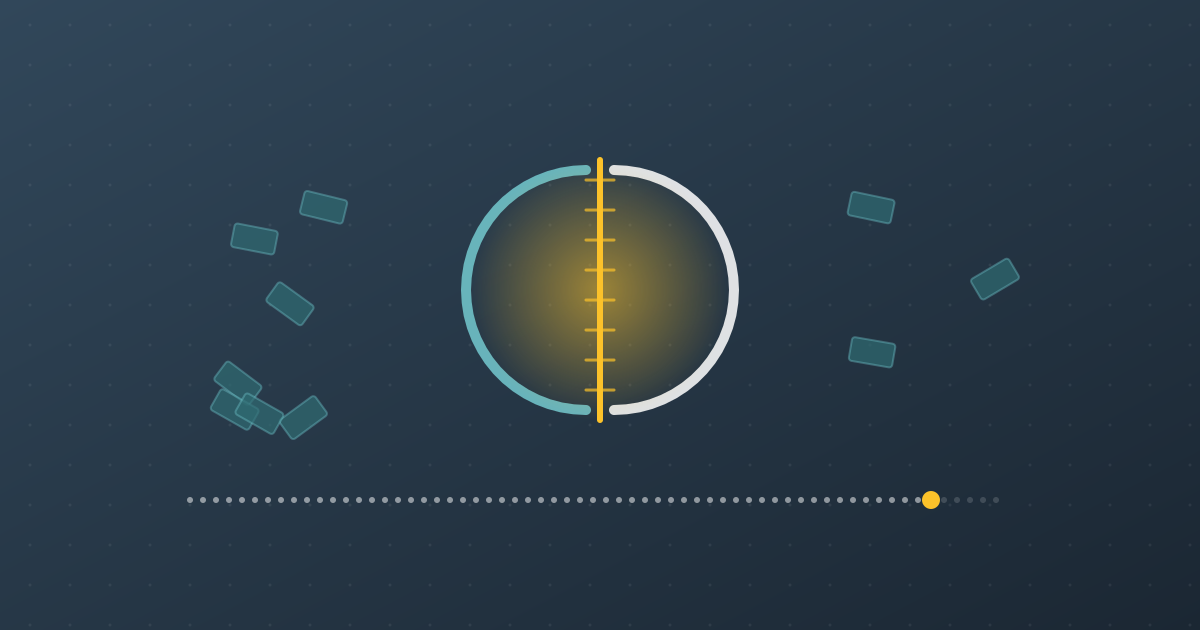
Opportunities have an expiration date. In August 1991, opponents of Gorbachev attempt a coup in Moscow, and at the end of 1991 the Soviet Union collapses. Whether consent would still have been possible a year later cannot be proven. Kohl acted as if the window could close at any moment. That is exactly what makes speed valuable: it does not wait for certainty that waiting will do harm.
Many steps at once
Situation
While the foreign ministers negotiate the Two Plus Four Treaty, Bonn and East Berlin work on the Unification Treaty. It is signed on August 31, 1990. On September 20, the Volkskammer and the Bundestag approve it, and on September 21 the Bundesrat, the chamber of the West German states. On October 3, 1990, East Germany accedes to the Federal Republic.
Link to the principle
Speed does not mean being frantic. It comes about when steps that do not depend on one another run at the same time. The internal and external questions of unity were negotiated in parallel. That is how the pace came about without a single step being skipped.
The price of speed
Situation
Wages and pensions are converted at a rate of 1:1, savings likewise at 1:1 up to an age-dependent allowance and at 2:1 above it. Economists criticize the course because the East German economy is far less productive. On July 1, 1990, the Treuhandanstalt, the agency charged with privatizing East Germany’s state-owned enterprises, takes over around 7,900 companies with some four million employees; many are later shut down. Supporters of the fast path counter that only the speed made unity irreversible.
Link to the principle
Speed is a value in itself, but not the only one. If you act quickly, you accept mistakes that you will have to repair later. The question is not whether speed costs something but whether slowness would have cost more.
Key takeaways
Key lessons
- Check whether your opportunity has an expiration date.
- Don’t cling to a timetable that events have overtaken.
- Run steps at the same time if they don’t have to wait for one another.
- Count on speed having a price, and plan for the follow-up work.
- Remember that a long back-and-forth exhausts everyone, including you.
Summary
In November 1989, Helmut Kohl started out with a plan for years. The mass flight from East Germany and the uncertain situation in Moscow made time a scarce resource. Kohl stepped up the pace, ran internal and external negotiations in parallel and achieved unity after 328 days. The fast path had economic costs. But it used a window of opportunity, and nobody knew how long it would stay open.
Sources
- Sun Tzu: The Art of War. Translated by Lionel Giles. London: Luzac & Co. 1910 (Chapter 2).