Contents
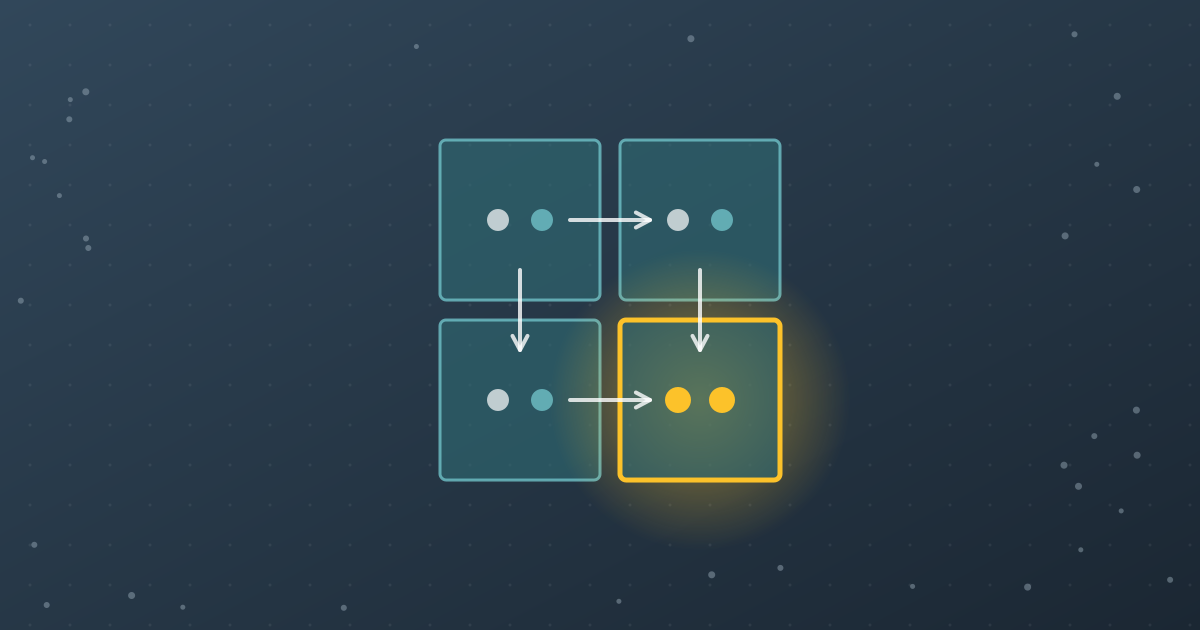
A cartel is a pact among competitors. Everyone wins as long as everyone keeps quiet. But every member knows: if someone else talks first, I’m the one left holding the bag. The European Commission deliberately exploits this mutual dependence. The trucks cartel shows how that works – a case of Strategic Interdependence.

Fourteen years of collusion
Situation
From 1997 to 2011, leading truck manufacturers in Europe coordinated their gross list prices for medium and heavy trucks. They also agreed on when to introduce new emissions technology for the Euro VI standard and how to pass its costs on to customers. At first, representatives met in person, talked on the phone or saw each other at trade fairs. Starting in 2004, the exchange took place electronically via the companies’ German subsidiaries.
Link to the principle
A cartel is an attempt to abolish interdependence. Instead of planning against each other, the competitors plan together. But the dependence doesn’t disappear. It shifts: now each of them depends on the others keeping their mouths shut.
The leniency program as built-in mistrust
Situation
The European Commission has a leniency program. The first to report a cartel and provide evidence can go entirely unpunished. Those who cooperate later receive a reduction, which is smaller the later they come forward. Those who don’t cooperate at all pay in full.
Link to the principle
This rule turns every cartel into a prisoner’s dilemma. For every member, it pays to come clean first, no matter what the others do. Silence pays only if it is certain that all the others will stay silent too. And that certainty never exists.
First come, first spared
Situation
MAN reported the cartel to the Commission and provided evidence. On July 19, 2016, the Commission announced its decision. As the leniency applicant, MAN received full immunity and thus escaped a fine of about €1.2 billion.
Link to the principle
MAN took the mutual dependence more seriously than the others did. The question was not: is the cartel good for us? It was: what happens to us if someone else talks first? If you ask that question, you realize that waiting is the greatest risk.
The bill for the others
Situation
The other manufacturers paid a combined total of about €2.93 billion, at the time the highest cartel fine in the EU. Daimler had to pay about €1.009 billion, DAF about €753 million, Volvo/Renault about €670 million and Iveco about €495 million. The reductions reflect the order in which they cooperated: Volvo/Renault received a 40% reduction, Daimler 30% and Iveco 10%. All of them received a further 10% because they admitted their involvement and settled with the Commission. Scania did not settle at the time and contested the allegations.
Link to the principle
The price each participant paid depended on when the others had acted. Those who came early paid less. Those who hesitated paid more. The sliding scale makes visible what strategic interdependence means: your outcome is co-written by the moves of others.
What follows from it
Situation
The decision opened the way for lawsuits. Injured customers could claim damages before national courts, and many truck buyers did so. The leniency program protects against the fine, not against such lawsuits.
Link to the principle
Interdependence doesn’t end with a single move. Every decision changes the playing field for the next round. If you are the first to talk today, you will still face new opponents tomorrow: this time, your own customers.
Key takeaways
Key lessons
- A pact among rivals holds only as long as none of them has a reason to break it.
- Don’t just ask what you want; ask what happens if the other side acts first.
- Whoever sets the rules of the game can deliberately turn dependence into mistrust.
- In a prisoner’s dilemma, hesitating is often the most expensive move.
- Always plan for the next round.
Summary
For 14 years, Europe’s truck manufacturers coordinated their prices. The EU’s leniency program turned this into a prisoner’s dilemma: whoever talks first goes unpunished. MAN talked first and saved about €1.2 billion; the others paid a combined €2.93 billion. The cartel broke apart on the mutual dependence it was built on.
Sources