Contents
The series by David Benioff and D. B. Weiss, based on the novels by George R. R. Martin, ran for eight seasons. It is famous for betrayal and surprising deaths. Behind the chaos lies an order that Kautilya described some 2,000 years ago – the Mandala of States. If you know the map of Westeros, you can predict many of the alliances.
A map full of neighbors
Situation
Westeros consists of seven kingdoms ruled by great noble houses. The Starks rule in the North, the Lannisters in the West, and in the South the Tyrells in the Reach and the Martells in Dorne. After the death of King Robert Baratheon, a war of succession begins. Several claimants vie for the throne; other houses fight for independence.
Link to the principle
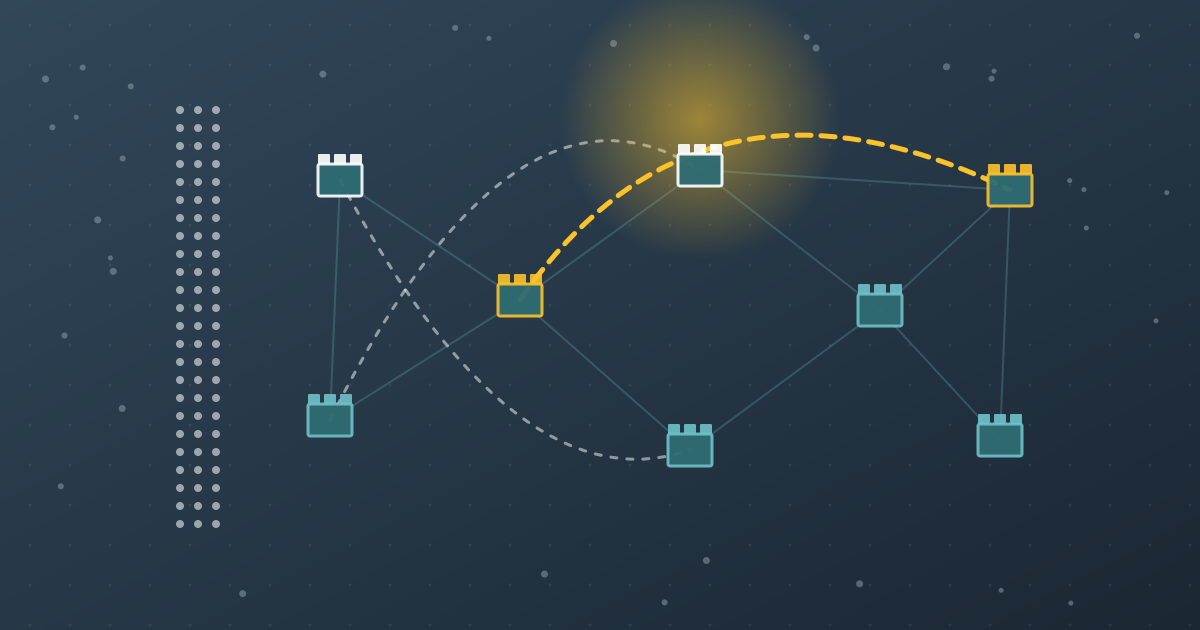
This is the starting point of the mandala: many players, one shared map, and everyone has neighbors they fear. Who trusts whom depends less on friendship than on who lies between whom.
The Lannisters and the Tyrells
Situation
In the second season, the capital, King’s Landing, is attacked by Stannis Baratheon. In the Battle of the Blackwater, an army of Lannisters and Tyrells saves the city. The young King Joffrey then casts Sansa Stark aside and becomes engaged to Margaery Tyrell.
Link to the principle
The Tyrells had previously supported Renly Baratheon, a rival of the Lannisters. After Renly’s death, they look for a new place on the map. The two houses are united by a common opponent: Stannis. The alliance arises not out of affection but out of position.
The Red Wedding
Situation
Robb Stark leads the North against the Lannisters. To march south, he needs the bridge held by House Frey. He promises to marry one of Walder Frey’s daughters but breaks the promise. In the ninth episode of the third season, Walder Frey hosts a wedding. There, the Freys and Roose Bolton, Robb’s own bannerman, murder Robb, his mother and many of his men. The Lannisters are behind it.
Link to the principle
The Lannisters win the war not on the battlefield but at their opponent’s back. The Freys and the Boltons are Robb’s direct neighbors and therefore his potential rivals. For the Lannisters, they are their enemy’s neighbors. That is exactly where they look for allies.
Daenerys and the Lannisters’ enemies
Situation
Daenerys Targaryen returns from exile to Westeros. In the seventh season, she allies herself with Olenna Tyrell, with Ellaria Sand of Dorne and with Yara Greyjoy. All three hate the Lannisters because the Lannisters have taken family members or power from them. Cersei Lannister responds with partners of her own, among them Euron Greyjoy, and smashes the alliance piece by piece.
Link to the principle
Daenerys gathers the Lannisters’ neighbors around her, just as Kautilya advises. But Cersei plays the same game. She, in turn, looks for allies who stand at the back of Daenerys’s partners. The mandala applies to all sides at once.
When a common enemy appears
Situation
Toward the end of the series, an army of the dead from the North threatens all the living. Former enemies such as Jon Snow and Daenerys join forces. Cersei promises help but holds it back.
Link to the principle
A common enemy from outside shifts the entire mandala. Neighbors become partners because the new opponent is bigger than all the old rivalries. Cersei shows the flip side: if you count on others to do the fighting, you are counting on being the strongest one left standing.
Key takeaways
Key lessons
- Don’t ask who likes you; ask who lies between you and your rival.
- Your enemy’s neighbor is often your best ally.
- A broken promise turns neighbors into enemies.
- Your opponent understands the same logic. Watch for their partners at your back.
- A great enemy from outside changes every alliance.
Summary
“Game of Thrones” shows Westeros as a map full of neighbors and rivals. The Lannisters win with the Tyrells against Stannis and with the Freys and Boltons against Robb Stark. Daenerys gathers the Lannisters’ enemies; Cersei responds with partners of her own. Behind the twists stands the mandala: your neighbor is your rival, your neighbor’s neighbor your ally.
Sources
- George R. R. Martin: A Game of Thrones. New York: Bantam Books 1996.