Contents
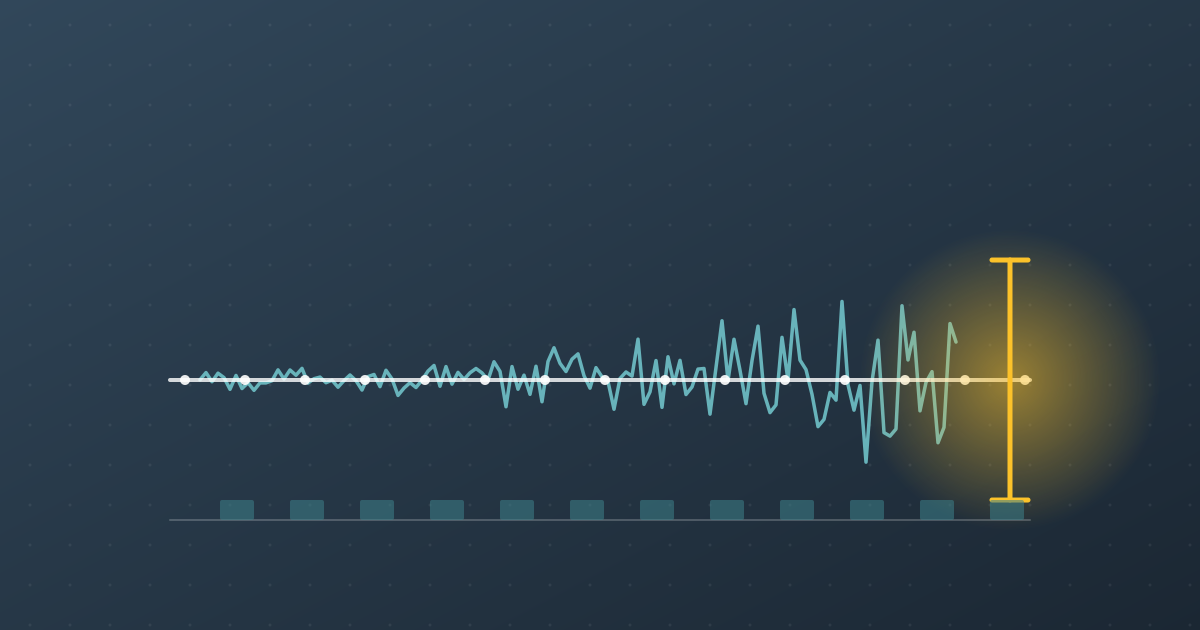
Carl von Clausewitz wrote that war is “the realm of uncertainty.” Three quarters of the factors on which action is based, he said, “are wrapped in a fog of greater or lesser uncertainty.” If you wait for a clear picture in such a situation, you wait too long. Rarely has this been as obvious as on one morning at the FAA’s command center – an example of the Fog of Uncertainty.
A first day on the job
Situation
Ben Sliney had been an air traffic controller and then a lawyer. In 2000 he returned to the FAA. On September 11, 2001, he starts work as National Operations Manager, the person in charge of day-to-day operations at the national command center. At around 8:30 a.m., the command center learns that a plane has probably been hijacked. At 8:46 a.m., American Airlines Flight 11 flies into the North Tower of the World Trade Center, and at 9:03 a.m., United Airlines Flight 175 into the South Tower.
Link to the principle
The situation is exactly what Clausewitz describes. Reports contradict each other. Some aircraft do not respond; others are briefly considered suspicious and then turn out not to be. No one knows how many more planes are affected or where the next target is.
Deciding before the picture is clear
Situation
The restrictions grow step by step. At 9:25 a.m., the command center orders a nationwide ground stop. At 9:37 a.m., American Airlines Flight 77 hits the Pentagon. A few minutes later, Ben Sliney instructs all air traffic control facilities to have every aircraft land at the nearest airport. The 9/11 Commission calls this instruction unprecedented.
Link to the principle
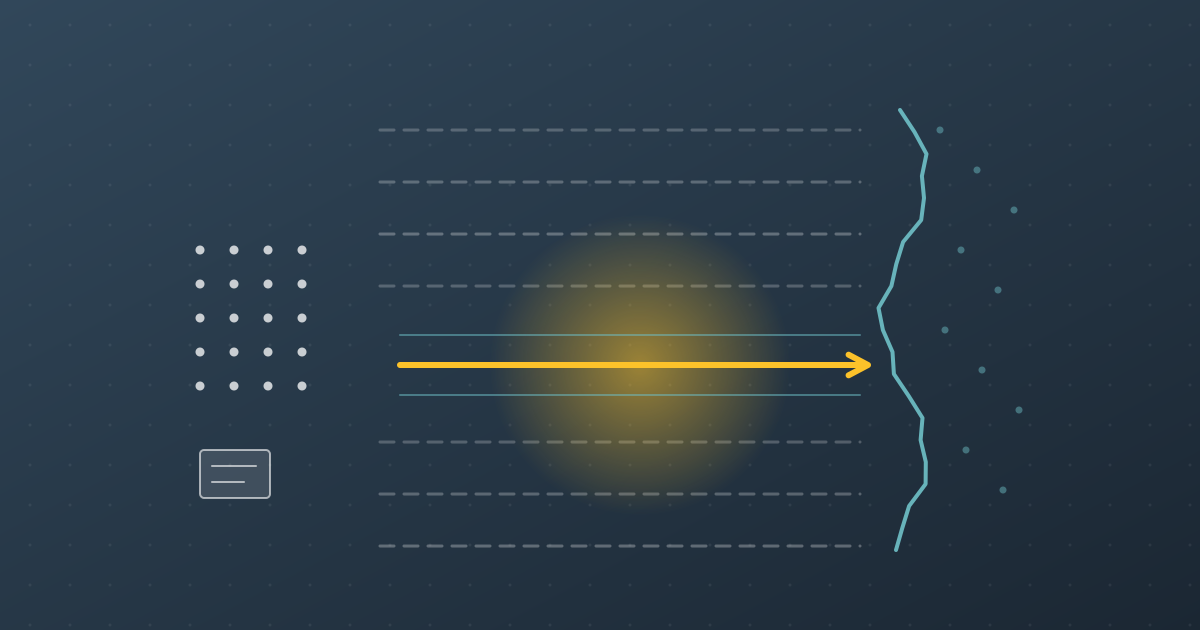
The decision is made not because the situation has been clarified, but because it has not. Sliney cannot tell which aircraft is dangerous. So he makes the question unnecessary: if everyone lands, any plane that doesn’t will stand out. He reduces the uncertainty not with more information but with an action that simplifies the situation.
What the decision costs
Situation
No such instruction had ever been given before. Around 4,200 aircraft are in the air at that moment. International flights are diverted, many to Canada. In the small town of Gander in Newfoundland alone, 38 planes land with around 6,600 people on board. After a few hours, civil air traffic over the United States has come to a complete standstill.
Link to the principle
A decision in the fog always has a price. If you hesitate, you pay with the risk of further attacks. If you act, you pay with chaos, costs and stranded people. Judgment means seeing this price and deciding anyway.
Who made the decision?
Situation
According to a Washington Post report, then Transportation Secretary Norman Mineta instructed the FAA leadership to bring down all planes. The 9/11 Commission attributes the landing order to Ben Sliney at the command center. The accounts also differ on the times.
Link to the principle
Even in hindsight, the fog lifts only partly. That is typical of crises. Several narratives emerge side by side. For the principle, something else matters: at the command center, someone had to act before anyone higher up could provide clarity.
Experience as a compass
Situation
Sliney does not decide in a vacuum. Around him sit experienced air traffic controllers and traffic managers whose advice he seeks. Five years later, he plays himself in Paul Greengrass’s film “United 93.”
Link to the principle
In the fog, Clausewitz calls for a fine, penetrating intellect that can sense the truth through the tact of its judgment. This tact does not fall from the sky. It grows out of experience, out of people you trust and out of the willingness to bear responsibility yourself.
Key takeaways
Key lessons
- Don’t wait for a complete picture; it will not come in time.
- Look for an action that simplifies the situation instead of clarifying every question one by one.
- Name the price of your decision and make it anyway.
- Bring experienced people to your side before the crisis comes.
- Remember that even hindsight will not clear up everything.
Summary
On September 11, 2001, no one at the FAA command center knew how many aircraft had been hijacked. Ben Sliney and his team did not wait for clarity. They brought down every plane and thus made every suspicious one visible. That is the core of the Fog of Uncertainty: judgment replaces the certainty you will not get.
Sources
- Carl von Clausewitz: Vom Kriege (in German). Berlin: Ferdinand Dümmler 1832–1834, Book I, Chapter 3.
- National Commission on Terrorist Attacks upon the United States: The 9/11 Commission Report. New York: W. W. Norton 2004.