The documentary “Lost in La Mancha” (2002) was meant to show Terry Gilliam shooting his dream film about Don Quixote. Instead, it shows how the project fell apart within about a week in 2000: because of aircraft noise, hail, a flash flood and the lead actor’s back.
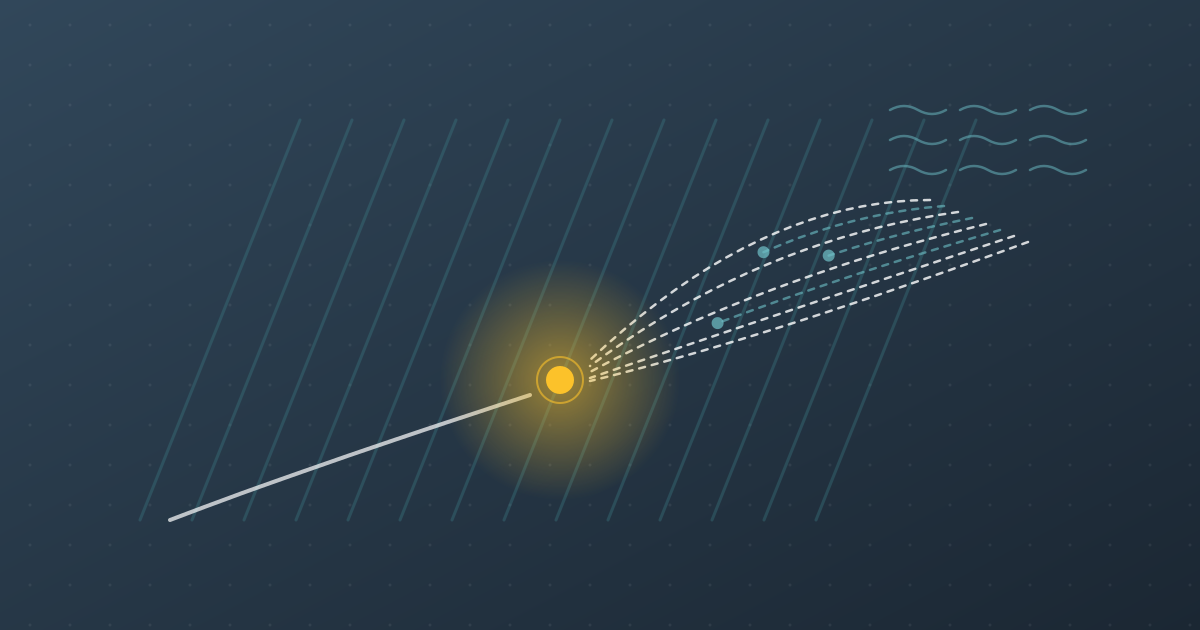
Golden and teal circles mesh like a chain along a clear line and turn gently. Then, one after another, small mist-blue dots drop between the circles; each slows things down only a little, until the chain almost stops. In the second pass, the chain has fewer circles with more space between them and a golden rim; the same dots drop, and the circles turn more slowly but keep going.
Principle #18
Friction: As soon as a plan meets reality, many small disruptions add up to great resistance; that is why wise planners build in reserves of time, money and strength and keep processes as simple as possible.
3 min read5 sectionsSituationLink to the principle
Contents
For Carl von Clausewitz, friction is a concept from war. But hardly any field knows it as well as filmmaking. A shoot is a plan involving hundreds of people, weather, technology and a tight schedule. “Lost in La Mancha” is a rare document because the camera was rolling at exactly the moment everything went wrong. The directors, Keith Fulton and Louis Pepe, had actually set out to make an ordinary making-of documentary.
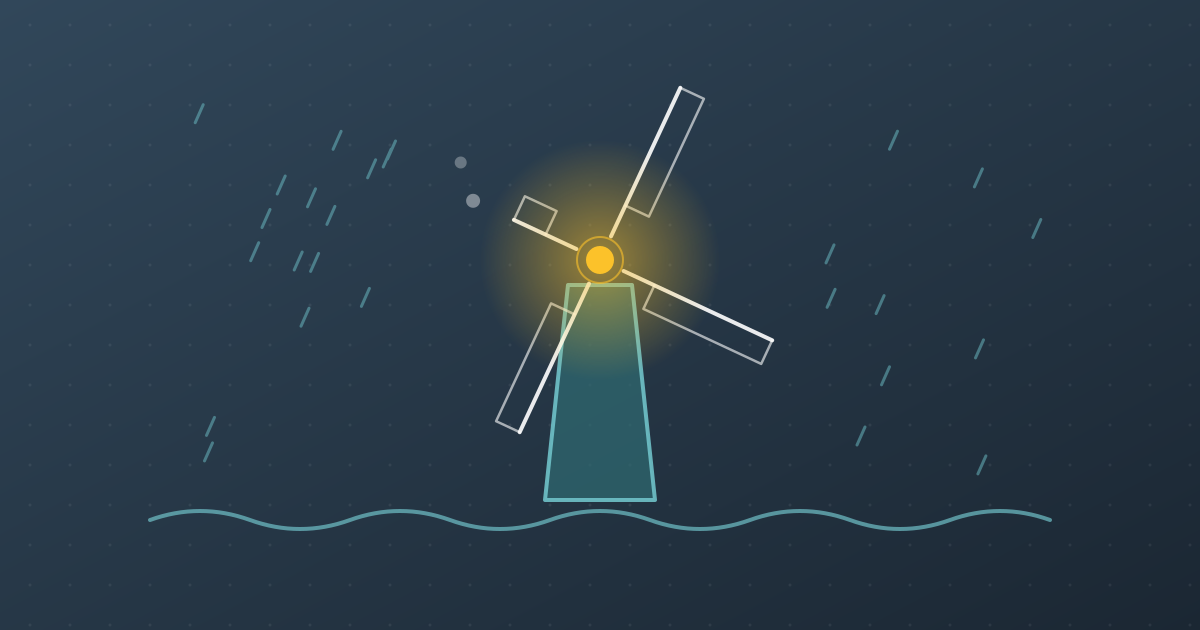
A windmill with a golden hub stands in a hailstorm, the water rises below, and one sail is already broken – as in “Lost in La Mancha.”
01
A dream project
Situation
The director Terry Gilliam has been working for years on a film based on Miguel de Cervantes’s novel “Don Quixote.” He calls it “The Man Who Killed Don Quixote.” In 2000, production finally begins in Spain. The French actor Jean Rochefort is to play Don Quixote, Johnny Depp a modern-day advertising executive who is drawn into the story, and Vanessa Paradis plays opposite him.
Link to the principle
Great enthusiasm and long preparation offer no protection against friction. On the contrary: a project on which so much depends often has too little room to maneuver, because money and time are already tightly calculated.
02
Day one: aircraft noise
Situation
The shoot takes place in the Bardenas Reales, a barren landscape in northern Spain. On the first day of shooting, military jets fly over the location almost without a break, because a NATO training range for target runs lies nearby. The sound is barely usable.
Link to the principle
A small thing that apparently no one gave enough weight to during planning costs the first day. The team has to improvise. That is the right response to friction, but it is already using up reserves.
03
Day two: hail and a flash flood
Situation
On the second day, a storm with hail moves in. A flash flood damages the equipment. Afterward, the landscape looks different than before, so scenes already shot no longer match the new footage. They would have to be reshot.
Link to the principle
Clausewitz explicitly names the weather as a source of friction. Here you can see how one disruption triggers the next: the storm costs not just a day, it also makes part of the previous days’ work worthless.
04
The knight cannot ride
Situation
A few days later it becomes clear that Jean Rochefort is suffering from a herniated disc. He can no longer ride and cannot continue the shoot. Without its lead actor, the production comes to a standstill. About a week after shooting began, the project is finished.
Link to the principle
A single person in a central position is a weak point if there is no replacement. Friction hits hardest where the plan provides no alternative.
05
When everything comes together
Situation
The collapse leads to an insurance claim of around $15 million. For years afterward, the rights to the screenplay belong to the insurer. Fulton and Pepe turn their footage into a film of its own, released in 2002. Gilliam does not give up: after further attempts, “The Man Who Killed Don Quixote” reaches theaters in 2018.
Link to the principle
No single event would have ended the project on its own. But noise, storm and illness together did. That is exactly what friction is: many disruptions that could each be managed add up to a resistance that no one can overcome anymore.
Key takeaways
Key lessons
01
Check your surroundings for sources of disruption in advance, including the obvious ones.
02
Count on weather, illness and technology as fixed factors.
03
Make sure there is a replacement wherever everything depends on one person.
04
Make sure a disruption does not wipe out the work of previous days.
05
Don’t give up on a good project just because the first attempt fails.
Summary
“Lost in La Mancha” shows a film shoot that breaks apart because of noise, a storm and the lead actor’s illness. Each disruption on its own could have been managed. Together they ended the project after about a week. The film is a vivid object lesson in friction, and Gilliam’s completion of the film in 2018 shows that a failed attempt does not have to be the end.