In Damien Chazelle’s 2014 film, a conductor uses tempo as an instrument of power and repeatedly and deliberately throws his young drummer out of rhythm. In the end, the student takes over the beat himself and forces the conductor to follow him.
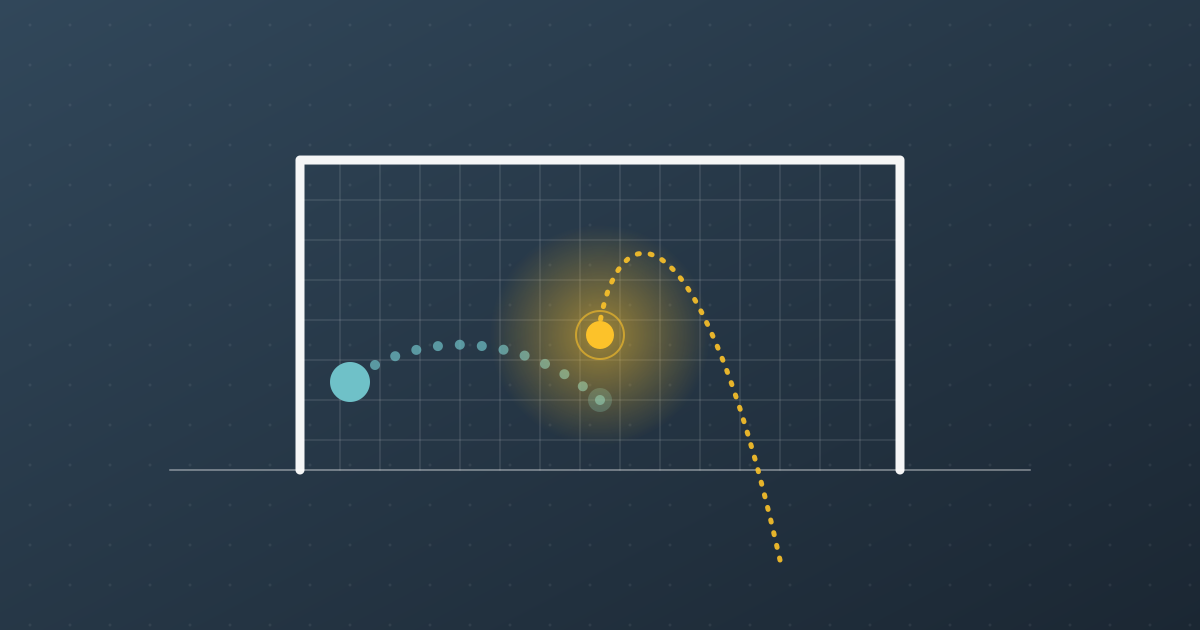
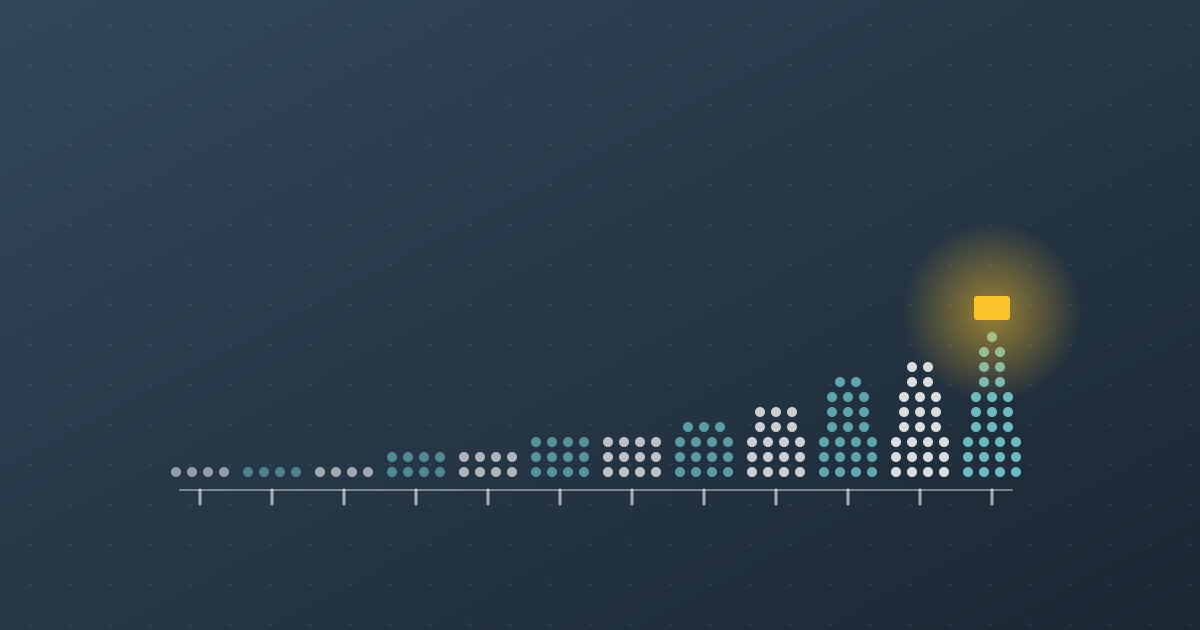
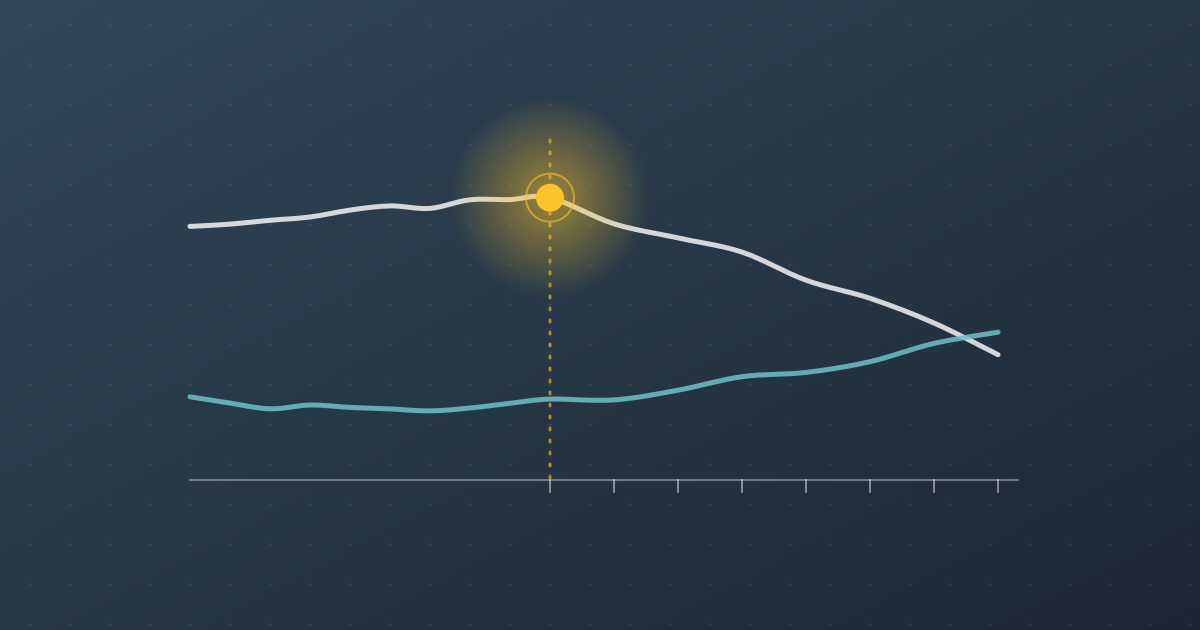
A teal circle pulses steadily, and with each beat an arc rises; a golden dot watches and settles exactly into the gap between two beats. Then the golden dot itself pulses in a calm rhythm, and many small mist-blue dots fall into line and swing along with it.
Principle #42
Rhythm and Timing: If you read the tempo of a situation, you act at the right moment, give others a reliable rhythm or throw your opponent off their stride.
4 min read5 sectionsSituationLink to the principle
Contents
“Whiplash” is about music, but at its core it is about power over time – an example of the Principle of Rhythm and Timing. Whoever sets the tempo decides who can keep up and who fails. Damien Chazelle wrote and directed the film based on his own experiences in an ambitious school band. J. K. Simmons won the Oscar for Best Supporting Actor for the role of the conductor Terence Fletcher, and the film won two more Oscars. It shows both sides of the principle: disrupting the other person’s rhythm and imposing your own.
On the left the beats stumble, on the right they keep time, and a golden stroke spreads across the drumhead – as in “Whiplash.”
01
Tempo as a test
Situation
Andrew Neiman, played by Miles Teller, is 19 years old and studies drums at a prestigious conservatory in New York. The conductor Terence Fletcher hears him practicing and brings him into his band as an alternate drummer. At the very first rehearsal, Andrew seems unable to hold the tempo in a piece by Hank Levy. Fletcher throws a chair at him, slaps him and humiliates him in front of everyone.
Link to the principle
For Fletcher, tempo is not a musical detail but a weapon. He alone decides whether someone is rushing or dragging. Whoever owns the yardstick for the beat holds power over the others.
02
Breaking the others’ rhythm
Situation
Fletcher promotes Andrew to core drummer and soon gives the part to someone else. Andrew practices until his hands bleed and ends his relationship to devote himself entirely to the drums. In a rehearsal lasting hours, Fletcher has three drummers play the piece “Caravan” one after another until one of them holds his tempo. Andrew wins the spot back.
Link to the principle
Fletcher disrupts not only the tempo of the music but the rhythm of his musicians’ lives. He keeps them in constant uncertainty. Nobody knows when they will rise or fall. The film shows vividly how destructive this way of exercising power is.
03
Thrown out of rhythm
Situation
On the way to a competition, Andrew’s bus breaks down. He rents a car, arrives late, forgets his sticks, drives back and has an accident. Injured, he reaches the stage and cannot keep time. Fletcher stops the performance, Andrew attacks him and is expelled from the school. Later he learns that a former student of Fletcher’s took his own life, and he testifies anonymously against Fletcher. Fletcher loses his position at the school.
Link to the principle
If you make your own rhythm entirely dependent on someone else, you lose it as soon as something goes wrong. Andrew rushes instead of playing. The crash is the result of a life lived to someone else’s beat.
04
The trap on stage
Situation
Months later, Fletcher invites Andrew to play with his professional band at a jazz festival. On stage, it becomes clear that Fletcher knows about Andrew’s testimony. Out of revenge, he starts a piece that Andrew has never played and has no sheet music for. The performance falls apart, and Andrew leaves the stage humiliated.
Link to the principle
This is disruption of rhythm in its pure form. Fletcher sends Andrew into a rhythm he does not know. He does not have to hit him. He only has to make him play to the wrong beat.
05
Taking over the beat
Situation
Andrew returns to the stage, sits down at the drums and cues the band into “Caravan” himself before Fletcher can announce anything. Fletcher reluctantly keeps conducting. At the end, Andrew plays a long solo. Fletcher nods to him and cues the final chord.
Link to the principle
The ending reverses the relationship. Whoever sets the beat leads. Andrew no longer waits for Fletcher’s signal; he sets the rhythm, and Fletcher has to follow. The film leaves open whether this is a victory or whether Andrew has finally submitted to Fletcher’s standards.
Key takeaways
Key lessons
01
Pay attention to who sets the beat around you.
02
Don’t make your rhythm entirely dependent on someone else.
03
Be prepared for someone to disrupt your rhythm on purpose.
04
Give the cue yourself if you want to lead.
05
Never use rhythm as a means of humiliation.
Summary
“Whiplash” shows rhythm as an instrument of power. Terence Fletcher sets the tempo, disrupts his musicians’ rhythm and sends Andrew Neiman into an unfamiliar rhythm in front of an audience. In the end, Andrew takes over the beat himself and forces Fletcher to follow him. The film makes visible how much power lies in the beat, and how high the price can be when someone abuses it.