Thomas Austin’s Rabbits and Unintended Consequences
At Christmas 1859, 24 rabbits from England arrive on Thomas Austin’s estate in Australia. Within about 50 years, their descendants spread across almost the entire continent and become one of the costliest animal plagues in the world.
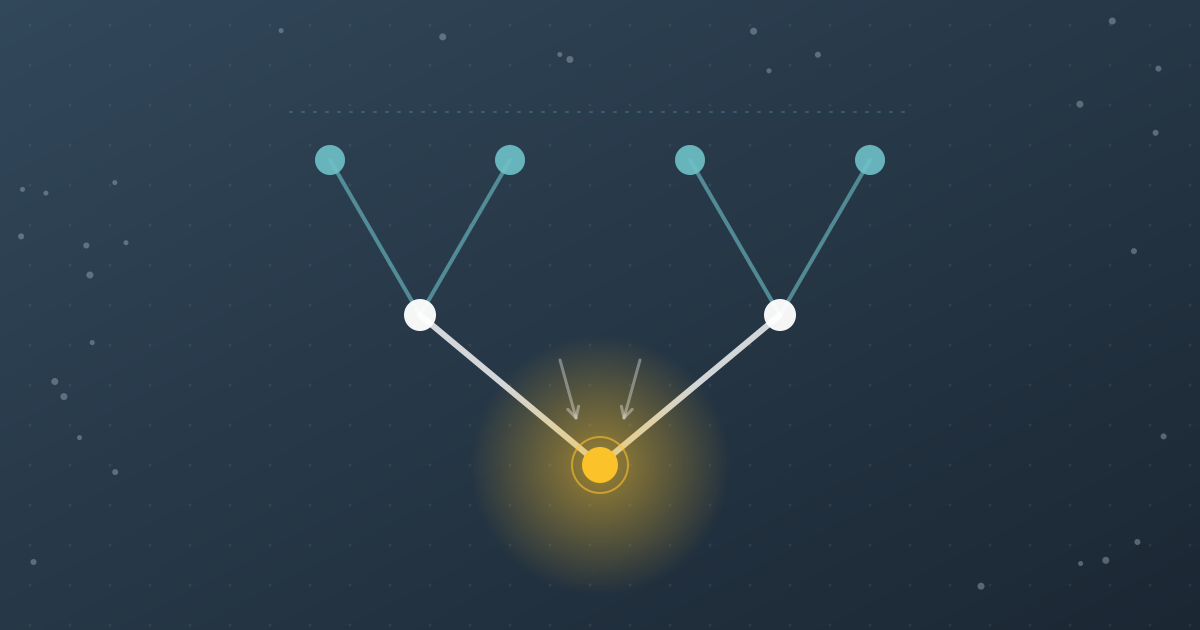
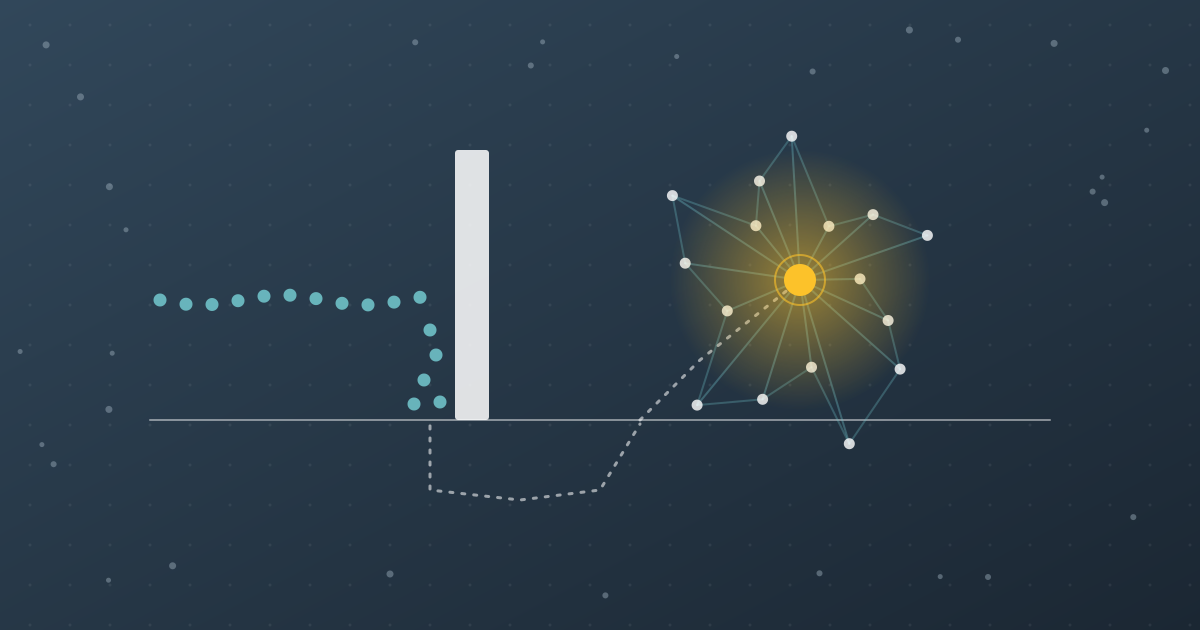
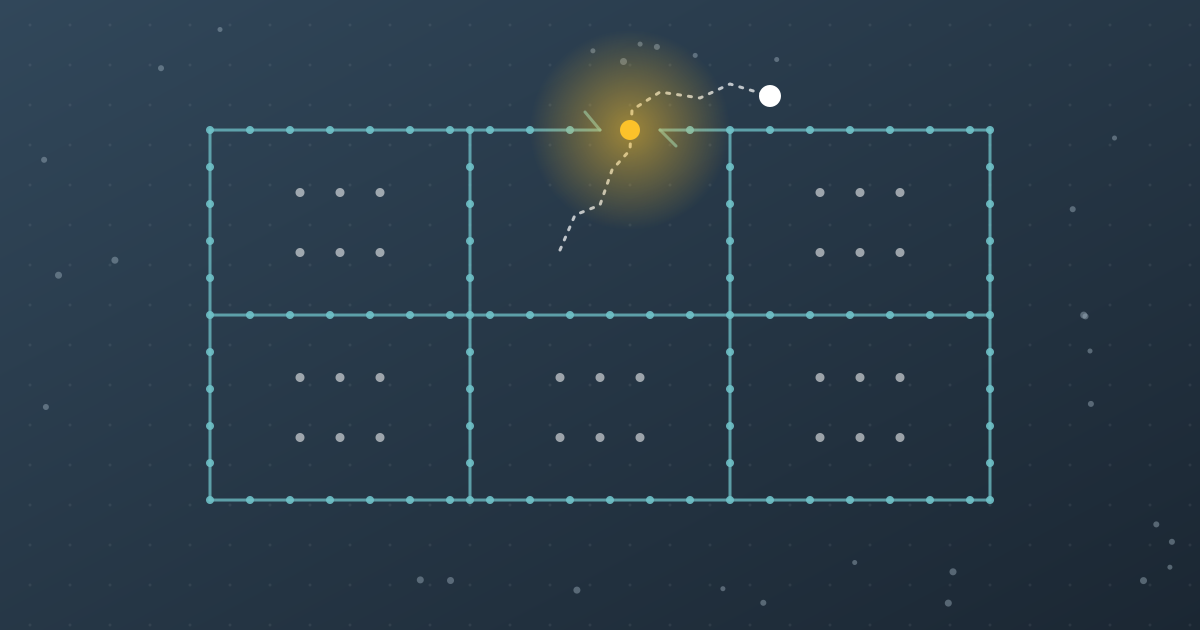
A gold dot nudges a row of small circles that a line steers toward a gold ring; at the same time, mist-blue side rows run off in other directions, speed up and topple a frame at the edge. In the second run, an arc of light reveals the whole field, two circles disappear, a teal crossbar slows the side rows, and only the gold line reaches its goal.
Principle #86
Unintended Consequences: Every targeted action intervenes in a system that responds; if you think only of the intended effect, you will be surprised by the side effects.
3 min read5 sectionsSituationLink to the principle
Contents
Some unintended consequences arise from high politics, others from a private whim. On his estate in Australia, Thomas Austin wanted a slice of English country life and rabbits to hunt. What he set off still occupies Australia today. The story is a case of Unintended Consequences: it shows how a small intervention in a complex system can reinforce itself until no one controls it anymore.
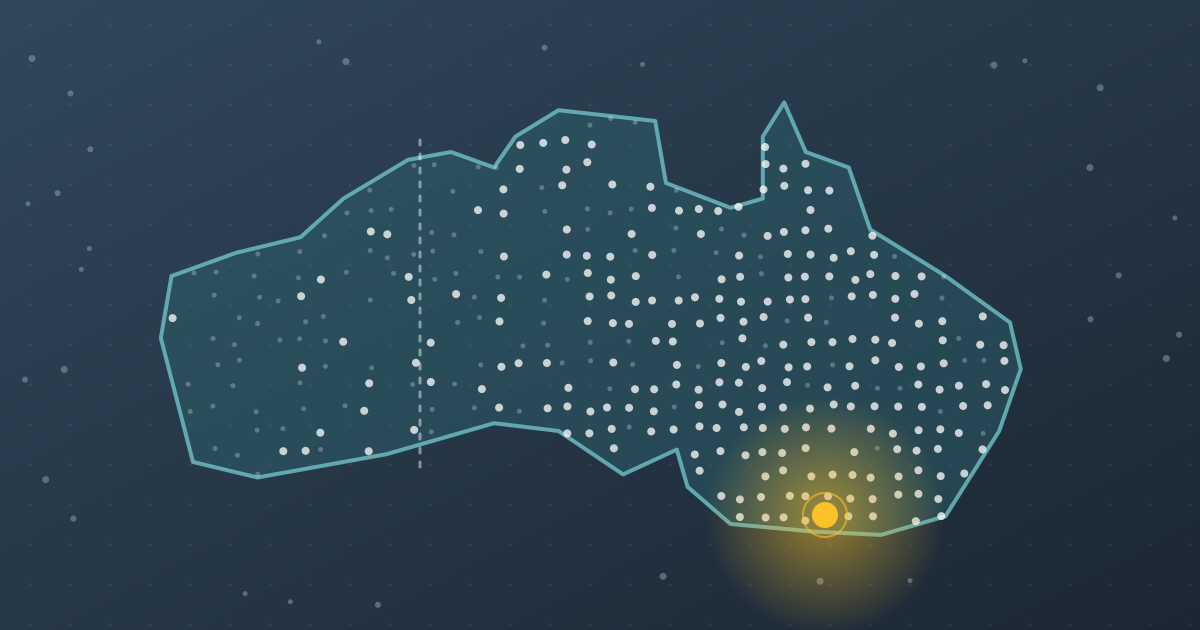
From a gold dot on the coast, dots spread across an entire continent, even beyond the fence – like Thomas Austin’s rabbits.
01
A longing for home
Situation
Thomas Austin is an English settler and the owner of the Barwon Park estate near Geelong, in what is now the state of Victoria. He asks his brother William Austin in Baltonsborough, in the county of Somerset, to send him rabbits. William has animals trapped on the family land and also buys gray rabbits that villagers keep in hutches. On October 6, 1859, they are taken aboard the ship Lightning. On Christmas Day 1859, 24 rabbits reach Melbourne and are brought to Barwon Park.
Link to the principle
The intervention is small and the goal harmless: game for an estate. No one thinks about consequences for a continent. Robert K. Merton names ignorance as the first cause of unintended consequences. Austin and his contemporaries did not know how a foreign animal with no natural enemies would behave in a new environment.
02
Why these rabbits?
Situation
Rabbits had come to Australia before. The First Fleet brought five domestic rabbits as early as 1788, and by 1859 at least 90 further introductions had followed. None of them set off a plague. In 2022, a genetic study led by Joel Alves and Francis Jiggins showed that the plague goes back to a single introduction, very probably Austin’s. The researchers suspect that the mix of wild and tame animals was decisive.
Link to the principle
That is what makes the case so unsettling: 90 similar interventions had no consequences; one did. Unintended consequences often hinge on small details no one notices. If you conclude from earlier harmless attempts that the next one will be just as harmless, you can be badly mistaken.
03
A spread without precedent
Situation
The rabbits multiply rapidly. They spread by about 100 kilometers a year. Within about 50 years, they colonize almost the entire continent. It is the fastest known spread of an introduced mammal.
Link to the principle
A self-reinforcing loop is at work here. Every rabbit produces new rabbits, and no fox, eagle or winter stops them. In systems like this, consequences do not grow evenly but faster and faster. By the time you notice the problem, it is often already too big.
04
The consequences for land and economy
Situation
The rabbits strip pastures bare, ring-bark young trees and promote erosion. They threaten native plants and animals. According to estimates, they still cause damage to agriculture of around 200 million Australian dollars a year today, despite all countermeasures.
Link to the principle
One individual’s private benefit stands against enormous public harm. This is a typical pattern: whoever makes a decision does not bear its consequences. That is why hardly anyone asks about them.
05
Countermeasures with side effects of their own
Situation
Australia tries many things: hunting, poison, long fences across the country and, starting in 1950, the myxoma virus. At first, the virus kills most rabbits, but the survivors become resistant. In 1995, another virus escapes from a trial site on an island off South Australia and spreads on the mainland, earlier than planned.
Link to the principle
The solution to a problem is also an intervention and has consequences no one plans. A virus produces resistance; a trial gets out of control. Unintended consequences are not a one-time mishap but accompany every further step.
Key takeaways
Key lessons
01
Small interventions in large systems can reinforce themselves.
02
Earlier harmless attempts do not prove that the next one will stay harmless.
03
Ask who bears the consequences of your decision if not you.
04
Act early, while a problem is still small.
05
When you plan a countermeasure, factor in its side effects too.
Summary
In 1859, Thomas Austin had 24 rabbits brought from England to his estate near Geelong, as game and a piece of home. Their descendants spread across almost all of Australia at around 100 kilometers a year and still cause great damage today. The 90 earlier introductions had had no consequences. The example shows how a harmless intervention in a complex system can get out of control and that countermeasures have consequences of their own as well.
Joel M. Alves et al.: A single introduction of wild rabbits triggered the biological invasion of Australia. In: Proceedings of the National Academy of Sciences (PNAS), 2022.
Wikipedia: Rabbits in Australia (Austin’s motive, myxomatosis, calicivirus)
Robert K. Merton: The Unanticipated Consequences of Purposive Social Action. In: American Sociological Review 1 (1936).
Back to the basics
Read what lies behind Unintended Consequences: with explanation, animation, video and research.