Contents
Prohibition is considered a textbook case of Unintended Consequences. Its supporters had honorable goals: less drunkenness, less violence in families, less poverty. They believed the ban would be easy and cheap to enforce. It was repealed 13 years later. The story shows how a ban does not eliminate demand but diverts it into other channels.
A moral project
Situation
Since the 19th century, temperance movements in the United States have been fighting against alcohol, among them many women and churches. The Anti-Saloon League becomes one of the most effective lobbying groups in the country. In 1919, the 18th Amendment to the Constitution is ratified, and in the same year Congress passes the law to enforce it, the Volstead Act. In January 1920, the nationwide ban takes effect.
Link to the principle
The supporters see a clear problem and a clear solution. They ask what the ban is supposed to prevent, but hardly what it might make possible. Robert K. Merton names ignorance and error as causes of unintended consequences. Here the two come together: the false assumption that people would simply stop drinking.
The demand remains
Situation
Many Americans keep drinking. Alcohol is smuggled, distilled illegally or made from industrial alcohol. Countless illegal bars, known as speakeasies, spring up in the cities. Gangs that used to live off gambling and theft move into bootlegging.
Link to the principle
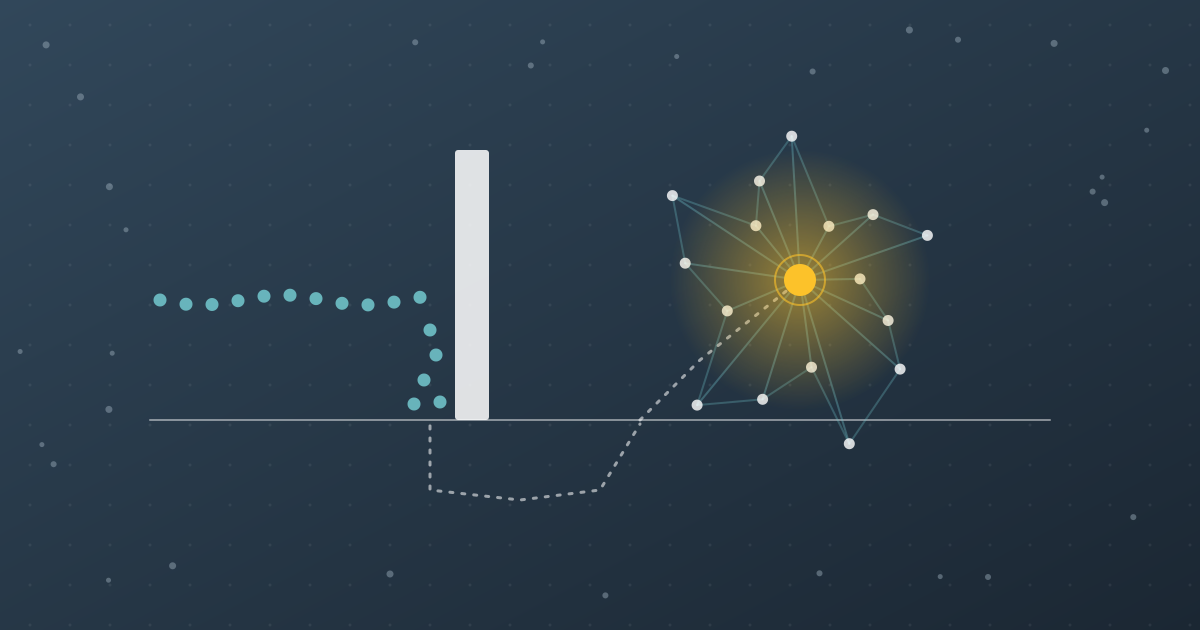
A ban does not eliminate demand; it shifts the market. Where legal suppliers disappear, illegal ones take their place. They pay no taxes, follow no quality rules and settle disputes with violence. The well-intentioned measure creates an industry that did not exist on this scale before.
Gangsters become entrepreneurs
Situation
Bootlegging makes gangs very rich. Al Capone’s income in Chicago is estimated at more than $100 million a year. In 1929, according to a widespread account, gang bosses meet in Atlantic City and divide the country into territories. Local gangs grow into a nationwide crime network.
Link to the principle
Here a second-order consequence appears. The ban not only creates a black market; it reorganizes crime. Money from alcohol pays for weapons, bribes and new lines of business. Unintended consequences rarely stay small. They grow and in turn produce new consequences.
Violence and corruption
Situation
Rival gangs fight over markets. On February 14, 1929, seven men associated with a rival gang are shot dead in Chicago; the killing goes down in history as the St. Valentine’s Day Massacre. Police officers, judges and politicians take bribes. Enforcing the ban proves expensive and arduous, contrary to what its supporters had expected.
Link to the principle
A law that many people do not want to obey undermines trust in laws as a whole. Prohibition was supposed to strengthen morality. Instead, it made lawbreaking an everyday matter for millions and bribery a business model.
The end and what remained
Situation
With the Great Depression, pressure grows to legalize alcohol again and tax it. In December 1933, the 21st Amendment repeals Prohibition. The gangs do not disappear; they shift to gambling, prostitution and drug trafficking. Historians assume that alcohol consumption initially fell during Prohibition; by how much is disputed.
Link to the principle
Prohibition did not have only unintended consequences; part of its goal may have been achieved. That is precisely what makes the example instructive. A measure is not good simply because it partly achieves its goal. You have to weigh the intended effect against all the side effects.
Key takeaways
Key lessons
- A ban does not eliminate demand; it shifts it.
- Ask who profits from your rule when it is circumvented.
- Watch for second-order consequences; they often grow the most.
- A rule that many do not accept weakens rules as a whole.
- Weigh the effect achieved against all the side effects, not just against the goal.
Summary
Starting in 1920, Prohibition banned the manufacture and sale of alcohol in the United States. Demand remained, and a black market emerged that made gangs like Al Capone’s rich, linked organized crime into a nationwide network and fostered corruption. In 1933, the ban was repealed, but the gangs stayed. The example shows how a well-intentioned measure strengthens the very forces it set out to fight.
Sources
- Robert K. Merton: The Unanticipated Consequences of Purposive Social Action. In: American Sociological Review 1 (1936).
- Daniel Okrent: Last Call: The Rise and Fall of Prohibition. New York: Scribner 2010.