On June 28, 1919, Germany signs the peace treaty with the victors of the First World War in the Hall of Mirrors at Versailles. The war has been won, but the peace that follows lasts only 20 years, and the treaty becomes the best-known counterexample to the Marshall Plan.
Two circles pull on a line above a chasm; the left one wins, the right one falls in, and mist-blue dots gather above the chasm into a dark cloud. The image rewinds, and again the left circle wins, but this time a golden line pulls the right one out, together they lay a golden arch across the chasm, and the cloud dissolves.
Principle #3
Better End State: A victory is a success only if the situation afterward is better than before; if you look only at winning, you often lose the peace.
4 min read5 sectionsSituationLink to the principle
Contents
Basil Henry Liddell Hart fought in the First World War as a young officer and was wounded on the Somme. His later demand that strategy must aim at a better peace – the Better End State – is also a lesson from Versailles. One thing up front: the treaty did not cause the Second World War on its own. But it created a peace that many Germans never accepted.
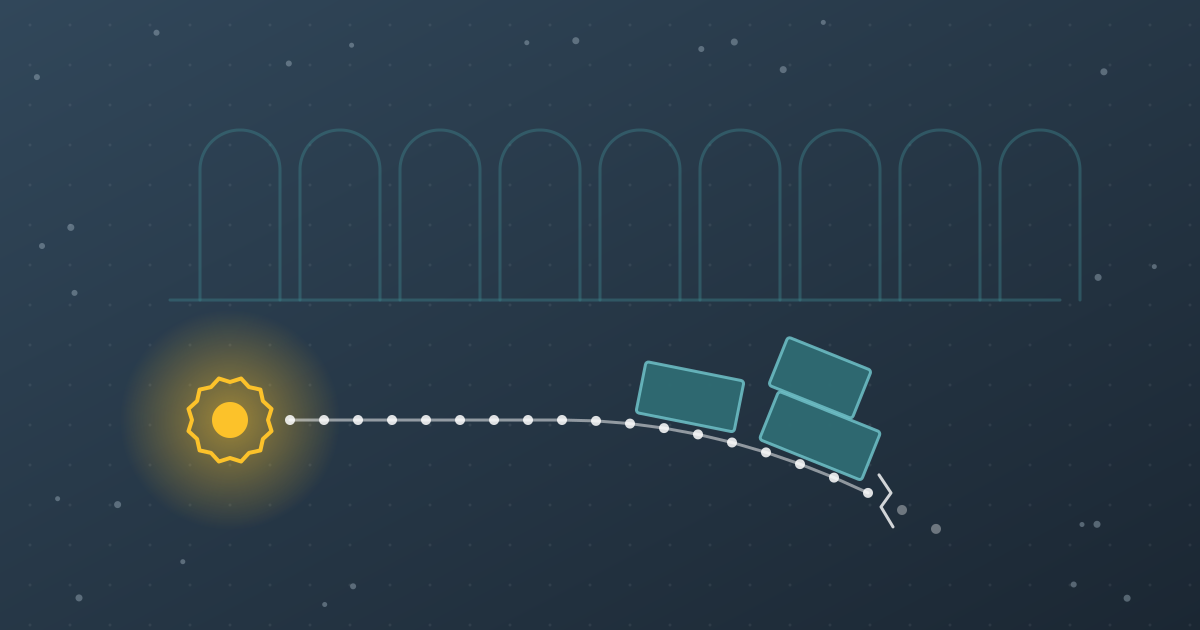
Beneath arcades, a row of 20 dots begins at a golden seal, then sinks under blocks and breaks – like the Treaty of Versailles.
01
Negotiations without the defeated
Situation
After the armistice of November 11, 1918, the victorious powers begin negotiating in Paris in January 1919. Germany does not have a seat at the table. On May 7, 1919, the German delegation at Versailles receives the finished draft; changes are hardly possible anymore. On June 28, Germany signs, exactly five years after the assassination in Sarajevo.
Link to the principle
A peace in which the defeated have no say easily feels imposed to them. The new democratic government in Berlin sees it as a “Diktat,” a dictated peace. The end state begins with a sense of humiliation.
02
Harsh terms
Situation
Germany loses 13% of its territory and 10% of its population, including Alsace-Lorraine, Posen and West Prussia. Its colonies become League of Nations mandates. The army is limited to 100,000 men, conscription is banned, and the Rhineland is occupied and demilitarized. Article 231 assigns Germany responsibility for the war damage. In May 1921, in the London Ultimatum, the Allies set the reparations total at 132 billion gold marks.
Link to the principle
Each individual provision can be justified, especially from the point of view of France, which had been badly devastated. Taken together, however, they produce a state that is too harsh to be accepted and too weakly secured to be enforced over time.
03
An early warning
Situation
The economist John Maynard Keynes is a member of the British delegation in Paris but resigns in June 1919. That same year, he publishes “The Economic Consequences of the Peace.” In it, he warns that the reparations will ruin Germany economically and thereby harm all of Europe. How far he was right is still disputed today.
Link to the principle
Keynes asks the principle’s question: What will Europe look like after this peace? He measures the treaty not only by guilt for the war but by the state it creates.
04
A peace as a tool for the republic’s enemies
Situation
In the Weimar Republic, the treaty remains a constant issue. Far-right parties, including the Nazi Party under Adolf Hitler, demand its revision and win broad support for it. The stab-in-the-back myth, according to which the army had remained undefeated in the field and been betrayed by the home front, damages the democratic politicians who had to sign the treaty. On March 7, 1936, Hitler has troops march into the Rhineland, and neither Britain nor France intervenes.
Link to the principle
The treaty created a state in which the enemies of democracy found a ready-made story. A peace that is experienced as humiliation supplies the justification for the next conflict.
05
What the victors learned
Situation
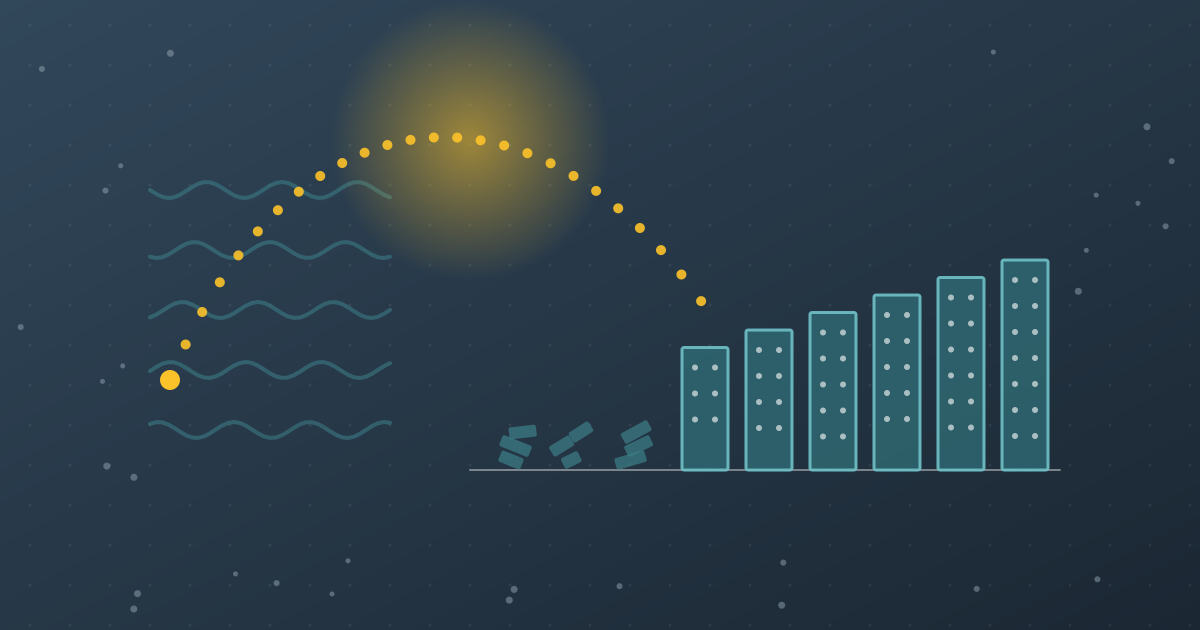
After 1945, the Western victors take a different approach. They do not demand reparations from West Germany on the scale of 1919; they rebuild the country with the Marshall Plan and integrate it into Western alliances. The historian Margaret MacMillan stresses that Versailles did not make the Second World War inevitable; much depended on later decisions.
Link to the principle
The comparison shows the principle most clearly. Twice the same powers had won. Once, the result was a peace that held for 20 years; the other time, one that holds to this day. The difference lay in the attention paid to the state afterward.
Key takeaways
Key lessons
01
Involve the other side in the peace if you want it to hold.
02
Test each condition also by what it does in combination with the others.
03
Listen to warnings that ask about the state afterward.
04
Remember that humiliation has long-lasting effects.
05
Learn from the comparison: the same victory can lead to very different peaces.
Summary
The Treaty of Versailles ended the First World War in 1919, but it did not create a better end state. Negotiated without the defeated party and laden with harsh territorial, military and reparations terms, it was experienced in Germany as a Diktat and exploited by the enemies of the republic. It did not cause the next war on its own, but it shows the opposite of what the principle demands. Only after 1945 did the victors learn the lesson and measure their victory by the peace that followed.