An eight-year-old boy is accidentally left home alone over Christmas. Two burglars want to clean out the house. Kevin cannot beat them with strength, so he turns the house into terrain full of traps. The comedy shows playfully how the weaker side wins when it determines how the fight is fought.
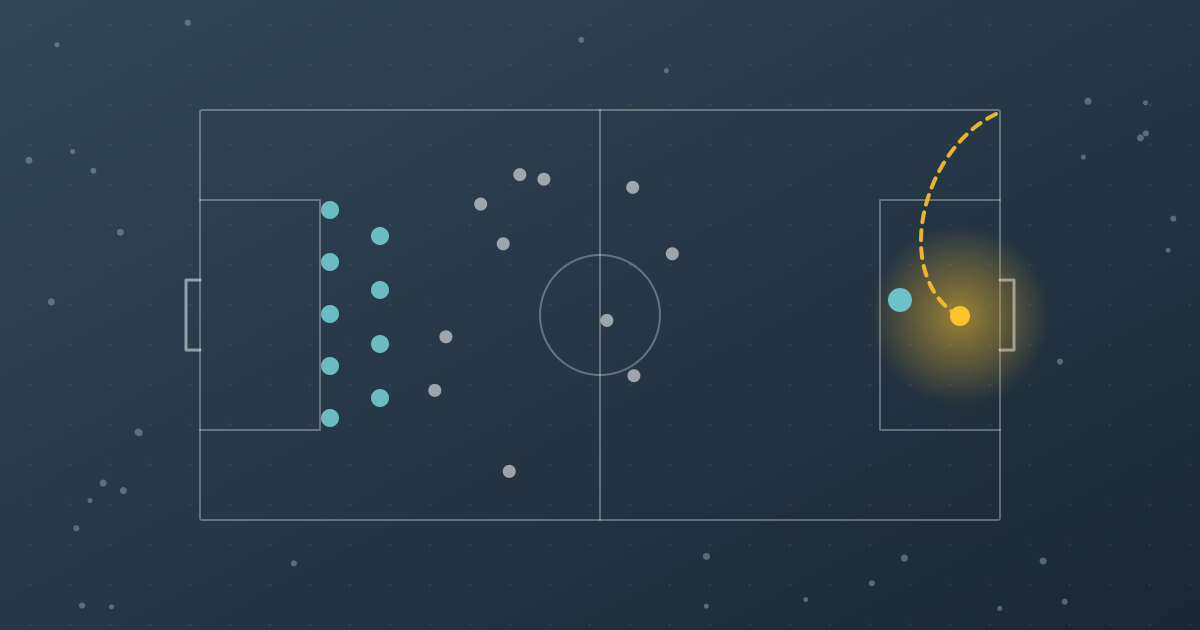
A large circle of many teal dots and a small circle of a few gold dots face each other on an even grid of mist-blue lines, and the gold dots are pushed back field by field. Then the grid tips away, revealing a field of narrow, winding lines and slim gates, in which the large circle gets stuck while the gold dots glide freely through.
Principle #56
Asymmetry: The weaker side does not win by playing the stronger side’s game better, but by choosing a different game in which that strength counts for little.
3 min read5 sectionsSituationLink to the principle
Contents
“Home Alone” was released in 1990. Chris Columbus directed it, and John Hughes wrote and produced it. Macaulay Culkin plays Kevin McCallister, and Joe Pesci and Daniel Stern play the burglars Harry and Marv. The film is a family Christmas classic. It is exaggerated and full of slapstick, but its basic idea is a clean object lesson in Asymmetry: a child against two adults, and the child wins because he does not fight the way the adults expect.
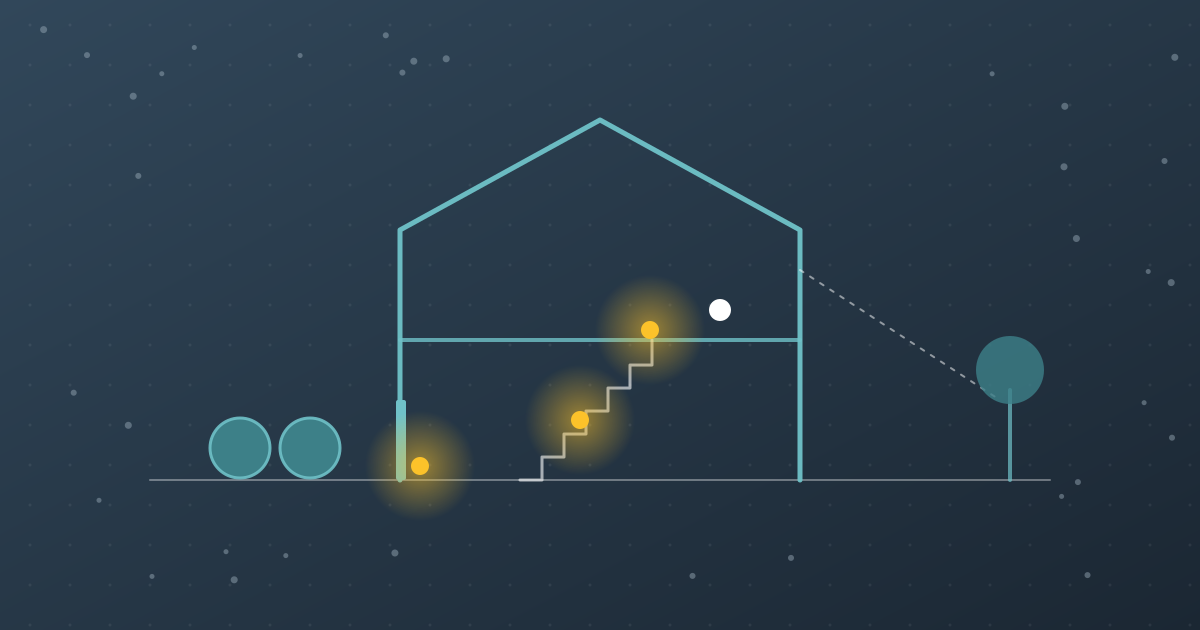
A house in cross-section with golden trap dots glowing at the door, on the stairs and upstairs, and two large circles waiting outside – as in “Home Alone.”
01
Alone and small
Situation
The large McCallister family flies to Paris for Christmas. In the rush to leave, Kevin is forgotten and left behind alone in the house in a Chicago suburb. At first he enjoys the freedom. Then he notices that two burglars are cleaning out the empty houses in the neighborhood and have picked his house as their next target.
Link to the principle
The balance of strength is clear. Two grown men against an eight-year-old. Kevin would lose any direct encounter. He has to find a way of fighting in which physical strength decides nothing.
02
First deceive, then prepare
Situation
Kevin first makes the burglars believe his family is still at home. That delays their plans. On Christmas Eve, they find out that he is alone. Kevin overhears them planning the break-in for that evening and prepares the whole house for it.
Link to the principle
The weaker side uses the time it has to prepare. Kevin knows when and where the attack will come. That puts the initiative in his hands, even though he is the weaker side. If you set the conditions of the fight, you offset part of your inferiority.
03
The terrain as a weapon
Situation
Kevin turns doors, stairs and rooms into obstacles. One trap after another slows the burglars down. He knows the house inside out; they do not.
Link to the principle
Kevin does not fight the burglars; he lets the house fight them. He uses local knowledge, preparation and surprise, three classic means of the weaker side. The opponents’ strength becomes their undoing, because they charge with full force into traps built for exactly that force.
04
Dodge instead of standing your ground
Situation
Whenever the burglars get too close, Kevin dodges them. He calls the police, flees the house and lures the two into a neighbor’s house they had already robbed. There they finally do get hold of him.
Link to the principle
The weaker side avoids a decision in direct contact. As soon as it comes to that, it is lost. The film shows this honestly: the moment the burglars grab Kevin, no trick can help him anymore.
05
It doesn’t work without allies
Situation
Kevin is rescued by his elderly neighbor, whom he had been afraid of at first. The neighbor, who happens to be checking on his son’s house next door, steps in and knocks the burglars out. Shortly afterward, the police Kevin had called arrest the two.
Link to the principle
Asymmetry bought Kevin time but did not win him the victory on its own. Like many weaker sides, he needs an ally in the end. This also applies to families, teams and small organizations: a smart strategy against superior strength counts on help from outside instead of going it alone.
Key takeaways
Key lessons
01
Avoid a direct test of strength if you can’t win it.
02
Use the time before the contest to prepare.
03
Know your terrain better than the other side does, and make it your ally.
04
Let your opponent’s strength work against them.
05
Count on allies. Asymmetry buys time, not always victory.
Summary
In “Home Alone,” an eight-year-old boy faces two adult burglars. He beats them not with strength but with deception, preparation and a house full of traps. As soon as he comes into direct contact with them, he is lost, and only a neighbor saves him. The comedy shows asymmetry in a simple form: the weaker side chooses the place, time and manner of the fight and avoids a direct test of strength.