Contents
In business, the reserve is usually money. Many consider it inefficient to leave large sums lying idle instead of putting them to work. Warren Buffett sees it differently. For him, cash is the strength you need when others have none left. The 2008 financial crisis showed what he means – and what the Reserve can do.
The crisis breaks out
Situation
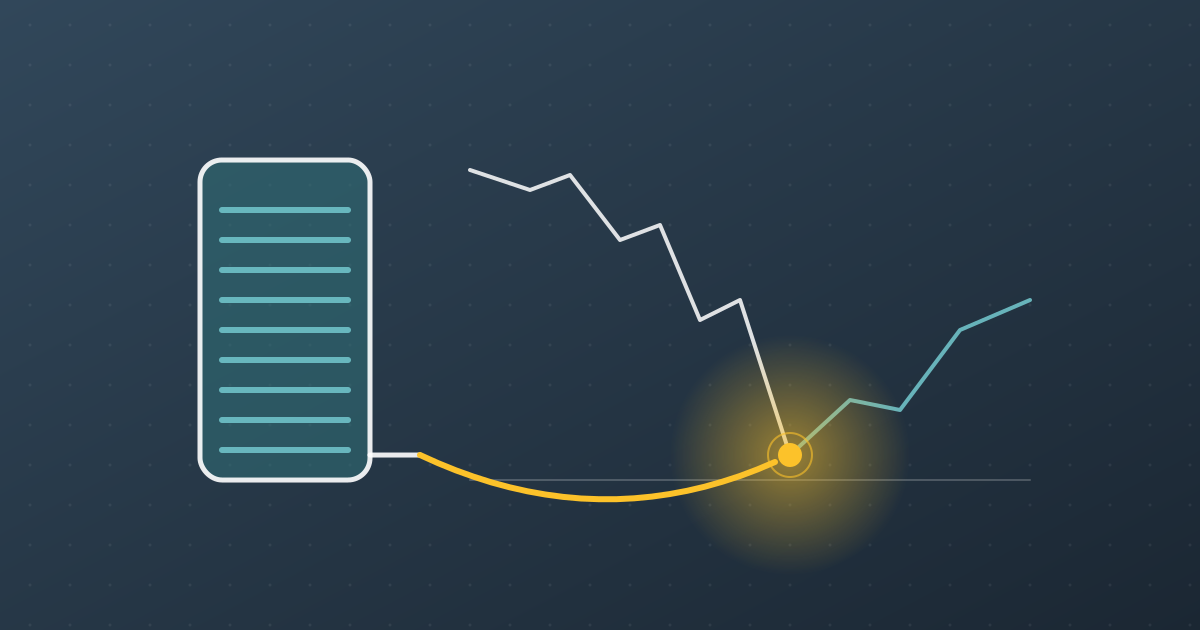
In mid-September 2008, the investment bank Lehman Brothers files the largest bankruptcy in U.S. history. On the same weekend, Merrill Lynch agrees to be taken over by Bank of America. The shares of the remaining investment banks plunge, and fresh capital is almost impossible to get. Shortly afterward, the Federal Reserve allows Goldman Sachs and Morgan Stanley to convert into bank holding companies. Goldman’s stock, which had at times been worth more than $250 within the previous year, closes at around $125 on September 23.
Link to the principle
In moments like this, those who need capital have hardly any choice. Those who have capital set the terms. A reserve gains its value precisely when everyone else’s resources fail.
Five billion in one week
Situation
On September 23, 2008, Goldman Sachs announces that Berkshire Hathaway is buying $5 billion of preferred stock. It pays a 10% dividend a year and can be bought back by Goldman at any time at a 10% premium. In addition, Berkshire receives warrants that allow it to buy another $5 billion of common stock at $115 a share within five years. At the same time, Goldman raises $2.5 billion through a public stock offering.
Link to the principle
Buffett can decide quickly because the money is there. He does not have to sell anything in a falling market or borrow anything. The reserve means freedom of action. And because only a few are able to act in this situation, the terms are favorable.
Money that sat idle for a long time
Situation
Berkshire Hathaway holds large cash reserves. In his letter to shareholders for 2008, Buffett explains why: he will always run Berkshire with more than ample cash, because the company should never have to count on the kindness of strangers to meet its obligations. In good times, such cushions are often seen as sluggish because they earn little.
Link to the principle
In good times, a reserve always looks like waste. Its value becomes clear only when the unforeseen happens. Buffett accepts a lower return in normal times so that he can act in extraordinary times. That is the purpose Carl von Clausewitz ascribes to the reserve: being able to respond to the unforeseen.
Against the prevailing mood
Situation
On October 1, 2008, Berkshire announces that it will buy $3 billion of preferred stock in General Electric, also with a 10% dividend. That same month, Buffett publishes an op-ed in The New York Times titled “Buy American. I Am.”
Link to the principle
The reserve is not just money; it is also composure. If you have reserves, you can act calmly while others have to react under pressure. It gives you inner freedom, not just financial freedom.
What came of it
Situation
In 2011, Goldman Sachs buys back the preferred stock at the agreed premium. Until then, Berkshire has received the annual dividend. The deal was not risk-free. Had Goldman failed, the money would have been lost. The government rescue programs of fall 2008 stabilized the banks, and Berkshire benefited from them too.
Link to the principle
A reserve does not guarantee success. It creates the possibility of seizing opportunities that are closed to others. Seizing them requires judgment: not every crisis is the right moment, and not every offer is a good one.
Key takeaways
Key lessons
- Keep reserves, even if they look like waste in good times.
- The value of a reserve only shows in a crisis.
- If you have reserves, you can decide quickly and set the terms.
- A reserve gives you calm when others are under pressure.
- Commit it not at the first opportunity but at the right one.
Summary
When the financial system was teetering in September 2008, Berkshire Hathaway had what others lacked: money. Within a few days, Warren Buffett invested $5 billion in Goldman Sachs, on terms that could only be had in such a situation. The reserve that seems sluggish in quiet years became the decisive strength in the crisis. The example shows the reserve as a source of freedom of action and of calm.
Sources
- Carl von Clausewitz: Vom Kriege. Berlin: Ferdinand Dümmler 1832, Book III, Chapter 13 (in German).