The principle in detail
Three steps through the principle: grasp it, place it, put it to work. Open each topic on its own.
The core messageCore statement and 3 clarifications
The path to your objective often runs through the other side’s plans, allies or will, not through their strength.
- It does not say
- That you should avoid every conflict. If you always give in, you win nothing.
- It does not say
- That restraint works against every opponent. Someone who is prepared to do anything may take it as an invitation.
- It also says
- If you win without fighting, you often leave the other side behind as a partner rather than an enemy.
The explanationHow the principle works and what matters
- Victory without Fighting does not attack the other side’s strength but what that strength rests on: their intention, their allies, their willingness.
- It is not giving in.
- It requires a credible alternative, patience and often great inner strength.
What foundation supports the resistance you are facing right now?
The signs3 signs when you heed it · 3 when you overlook it
- You ask about the other side’s interests before you build up pressure.
- You talk to the people who support them.
- Conflicts end without losers waiting for their next opportunity.
- You seek confrontation because it feels like strength.
- Or you give in and call it peace.
- After every dispute you win, working together gets a little harder.
The backgroundFrom the third chapter of “The Art of War,” attributed to Sun Tzu (Sun Wu, 6th or 5th century BC). · T2 Eastern Strategy
- 6th/5th c. BCOriginSun Tzu
Chapter 3
- 2011SupplementedErica Chenoweth and Maria J. Stephan
The book of the same title
- Tradition T2TraditionEastern Strategy
Sun Tzu, Kautilya, the Thirty-Six Stratagems, the Tao Te Ching, Miyamoto Musashi, François Jullien
See the tradition on the Origin page
Read more: the full background
From the third chapter of “The Art of War,” attributed to Sun Tzu (Sun Wu, 6th or 5th century BC). Supplemented by the study “Why Civil Resistance Works” by Erica Chenoweth and Maria J. Stephan (2011).
The research4 sources: 2 primary studies, 1 classic, 1 review · 2008–2020 · with limitations of the research
- weak
- moderate
- strong
A large data set supports the finding for political campaigns; the claim that Victory without Fighting is the best victory remains a value judgment from the classic.
- 2008Erica Chenoweth and Maria J. Stephan
“Why Civil Resistance Works” in International Security: their own data set of major nonviolent and violent campaigns, 1900–2006; nonviolent ones are more successful, among other things because of legitimacy, broad support and shifts in loyalty.
- 2011Erica Chenoweth and Maria J. Stephan
The book of the same title: statistics and case studies, including Iran, Burma and the Philippines; nonviolent campaigns were more than twice as effective.
- 2020Erica Chenoweth
“The Future of Nonviolent Resistance” in the Journal of Democracy 31 (3): in the 2010s, nonviolent resistance reached a peak in popularity, but its effectiveness began to decline because states respond better and the movements themselves have changed.
- Victory without Fighting presupposes that the opponent has something to lose and that a credible alternative is on the table.
- Against an opponent who is prepared to do anything, restraint can become an invitation; many regard the Munich Agreement of 1938 as a warning.
- The findings of Erica Chenoweth and Maria J. Stephan concern political campaigns, not companies or families.
- In 2020, Erica Chenoweth showed that in the 2010s nonviolent resistance was more common than ever but had lost effectiveness.
Read more: what research shows
The idea comes from the third chapter of “The Art of War,” attributed to Sun Tzu. There, Sun Tzu writes that “supreme excellence consists in breaking the enemy’s resistance without fighting.” The order of priority is: thwart the opponent’s plans, then prevent their forces from joining up, then attack their army, and last of all besiege walled cities. Erica Chenoweth and Maria J. Stephan compared major campaigns from 1900 to 2006. According to their findings, nonviolent movements achieved their goals more than twice as often as violent ones. As reasons, they cite broader support, greater legitimacy and more frequent defections among the other side’s supporters and security forces. This supports the path through allies and will. The two do not examine whether the finding carries over to conflicts within companies.
The related principles52 Golden Bridge · 54 Soft Power · 69 Best Alternative · 92 The Soft Overcomes the Hard
To go deeper, see 52 Golden Bridge (an honorable way out makes the fight unnecessary) and 54 Soft Power (attraction and persuasion are the most common means)
69 Best Alternative names the condition: without a credible alternative, all that is left is giving in
Related is 92 The Soft Overcomes the Hard, which lets the other side’s strength come to nothing
Read more: the full text
To go deeper, see 52 Golden Bridge (an honorable way out makes the fight unnecessary) and 54 Soft Power (attraction and persuasion are the most common means). 69 Best Alternative names the condition: without a credible alternative, all that is left is giving in. Related is 92 The Soft Overcomes the Hard, which lets the other side’s strength come to nothing.
The action steps5 action steps: Before any conflict, write down what you want the outcome to be.
- Before any conflict, write down what you want the outcome to be. Then check whether there is a way to get there without an open fight.
- Ask what is behind the resistance. A no almost always has a cause that can be addressed.
Look at who supports the other side, and talk to those people.
- Clarify your alternative before you negotiate. Without it, Victory without Fighting turns into giving in.
- Leave the other side a way out that does not shame them. If they can save face, they do not have to keep fighting.
The reflection questions3 questions: What conflict are you preparing for right now, and what do you want the outcome to be?
- What conflict are you preparing for right now, and what do you want the outcome to be?
- Who supports the other side, and have you already talked to those people?
- Where did you last give in and call it peace?
Take your time with one question. Write down your answer – or talk it over with someone you trust.
The picture to rememberThe animation once more, with an explanation
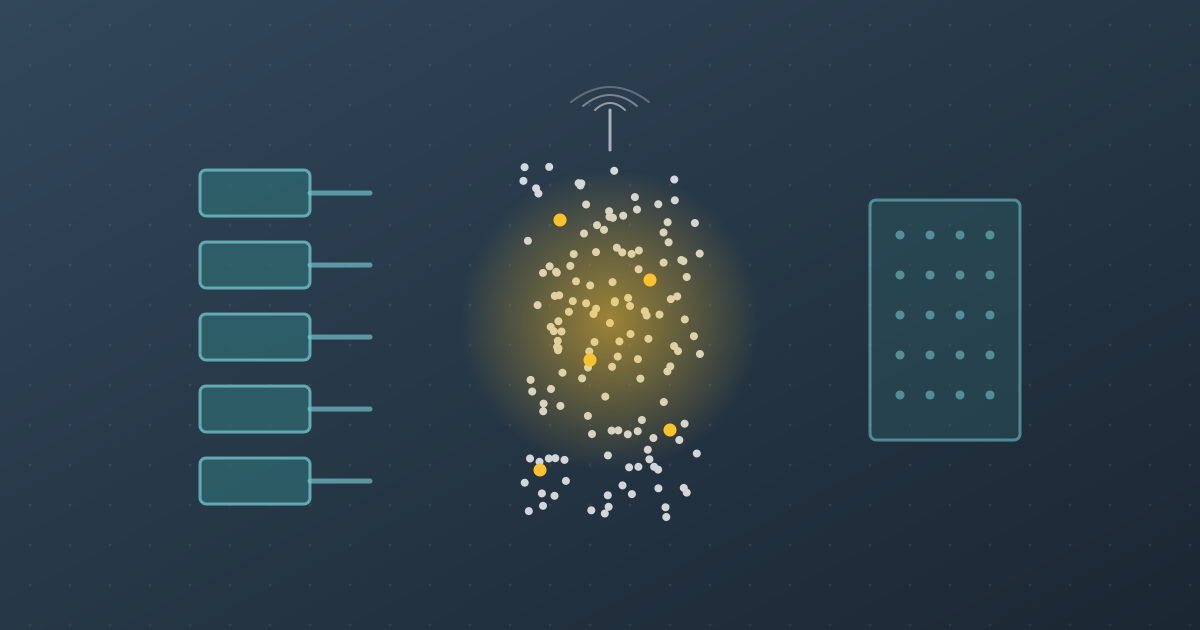
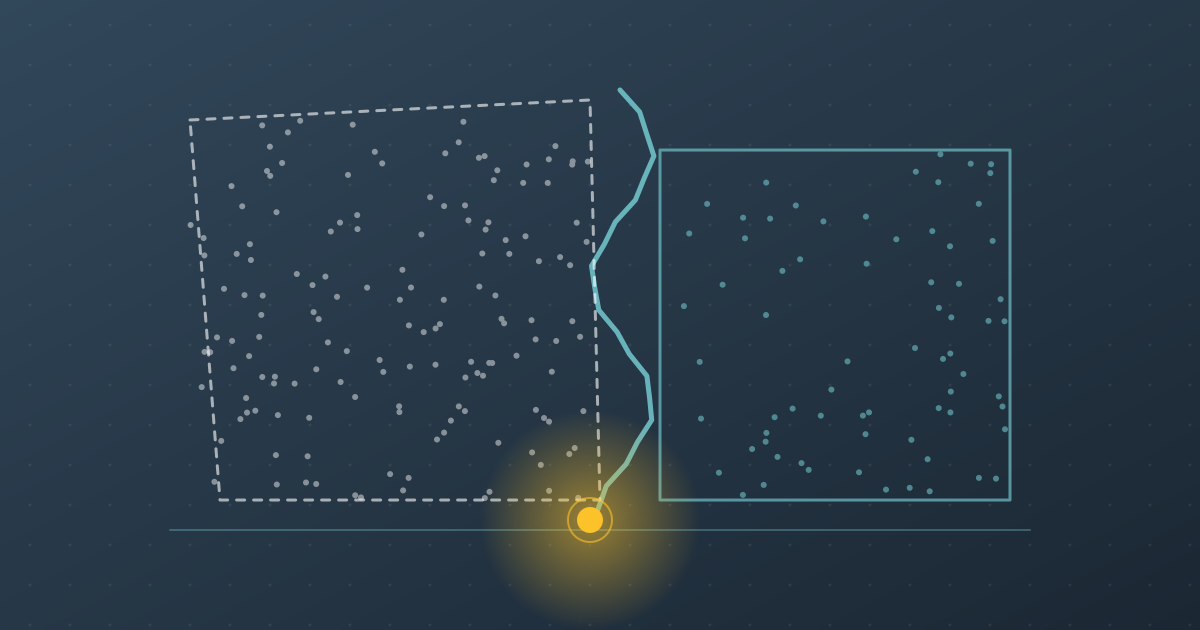
- Two rows of dots face each other
- Behind the right-hand row, three fine teal lines run to a frame, to two small circles and to a dot in the middle
- Instead of the rows colliding, the lines come loose one after another, the right-hand row loosens, and a golden gate opens between the two sides
How the principle shows up in practice
EDSA 1986
Cardinal Jaime Sin calls people into the streets over Radio Veritas, soldiers do not fire on their praying fellow citizens, and Ferdinand Marcos leaves the country. If you remove the foundation of the opponent’s power, you do not have to defeat their weapons.
Singing Revolution 1988
Hundreds of thousands of Estonians sing at the Song Festival Grounds in Tallinn, and by 1991 the country is independent. The weaker side chooses a field where tanks are of no use.
Louisiana Purchase 1803
Thomas Jefferson secures access to New Orleans through a purchase instead of war and doubles the size of the United States. A credible alternative and patience make possible an exchange in which both sides win.
Which fight can you avoid?
Get your profile across all 12 groups in about 10 to 15 minutes.
Start the Strategy CheckGroup 4: Deception and Indirection
Guiding question: How do you reach your goal without charging head-on?
Stage 3 of 5: Choose the path
- TraditionEastern Strategy
Sun Tzu, Kautilya, the Thirty-Six Stratagems, the Tao Te Ching, Miyamoto Musashi, François Jullien
- Related principles
Where the 92 principles come from: eight traditions of strategy, from classical war theory to dealing with uncertainty.
More about the originBackground: WEGVISOR’s own selection from the strategy literature · More about the origin